
Green Manure
DSVegetable · EasyView guide
Pelham Gardens
Your UK gardening guide: everything you need to grow with confidence, from seed to harvest. Browse by crop and follow a step-by-step seasonal guide suited to UK conditions.
87 crops

Not grown for food but for the soil itself. Mustard is the fastest, easiest green manure: sow it into any bare or resting bed to smother weeds, protect the soil, and add organic matter when dug back in a few weeks later.
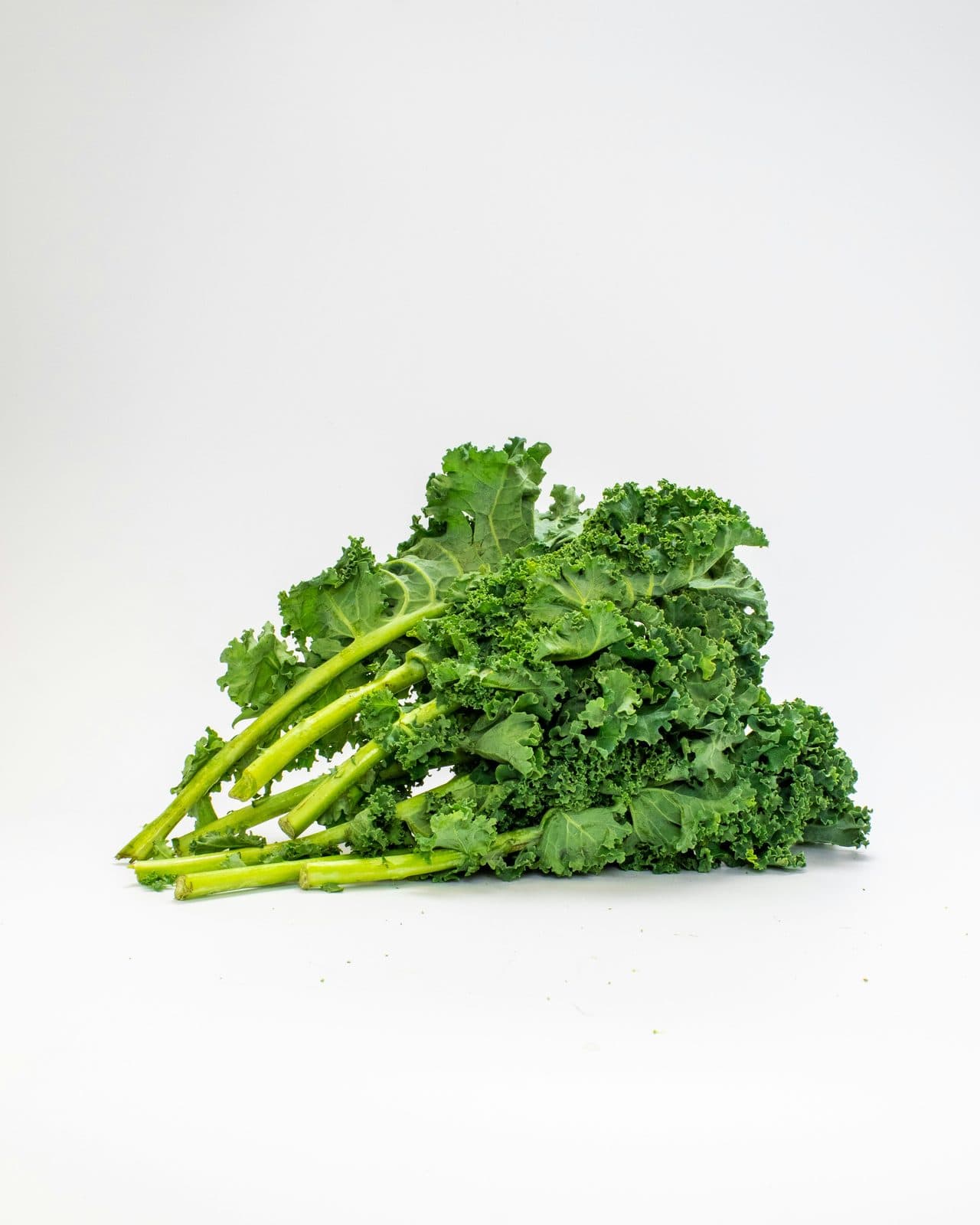
Hardy and nutritious. Flavour improves after the first frost: a winter staple.
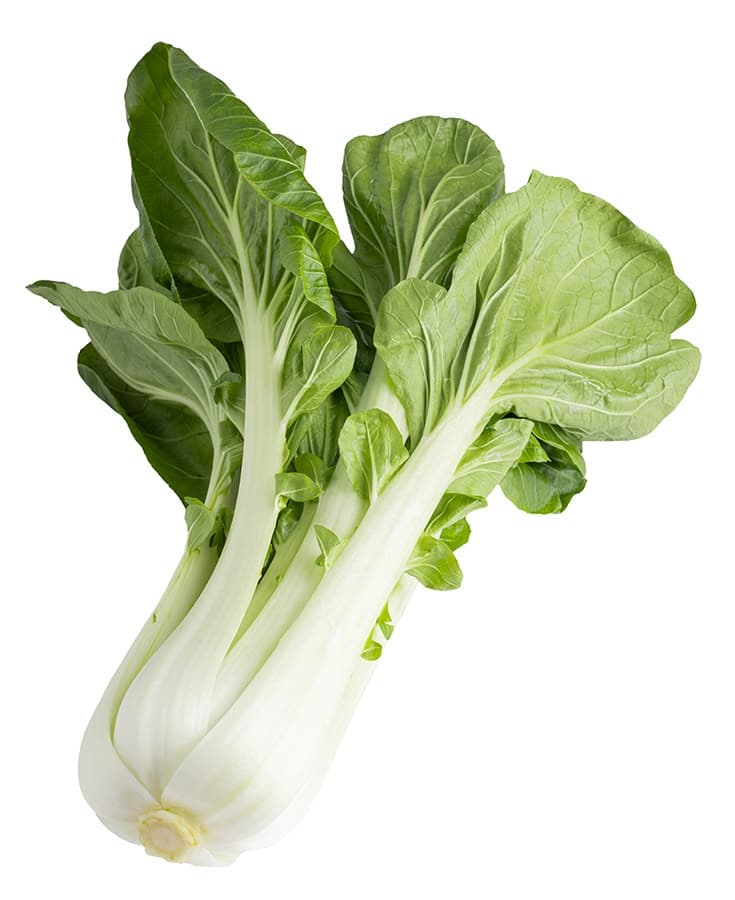
Fast-growing Asian greens with crisp stems and tender leaves. Ready in as little as 4–6 weeks from sowing. Perfect for spring and autumn gaps when other crops are slow.
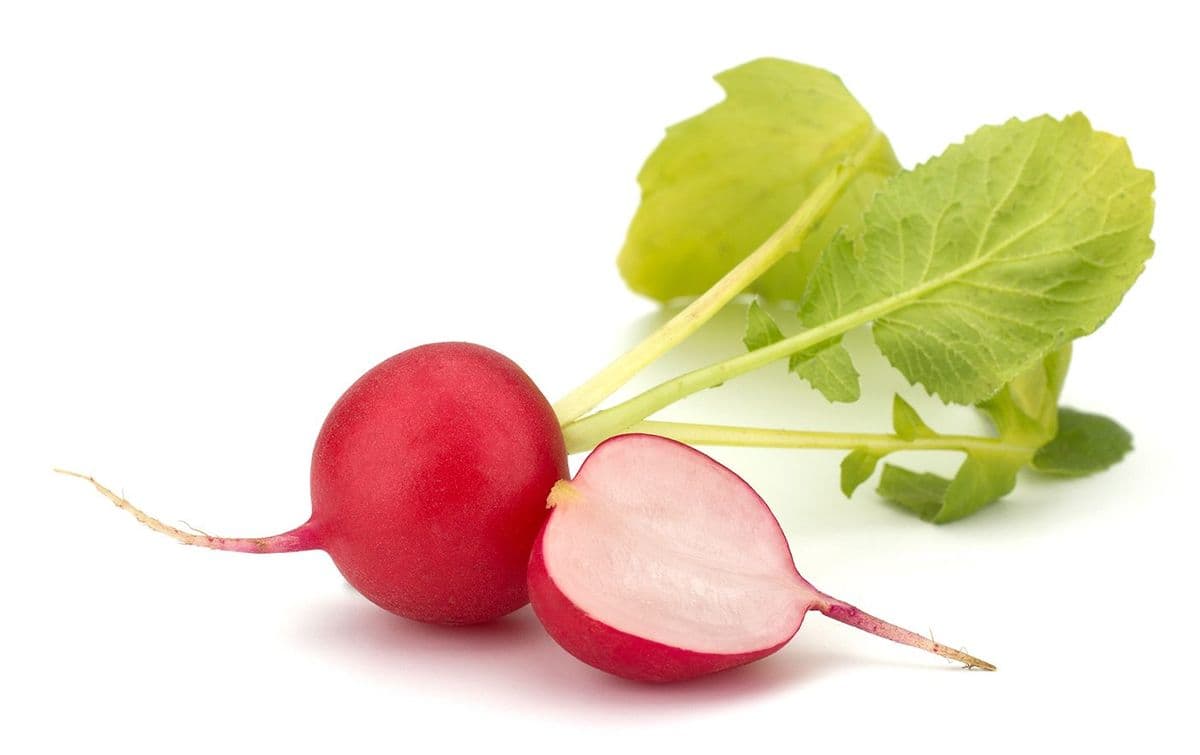
Ready in as little as four weeks. Perfect for filling gaps between slower crops.
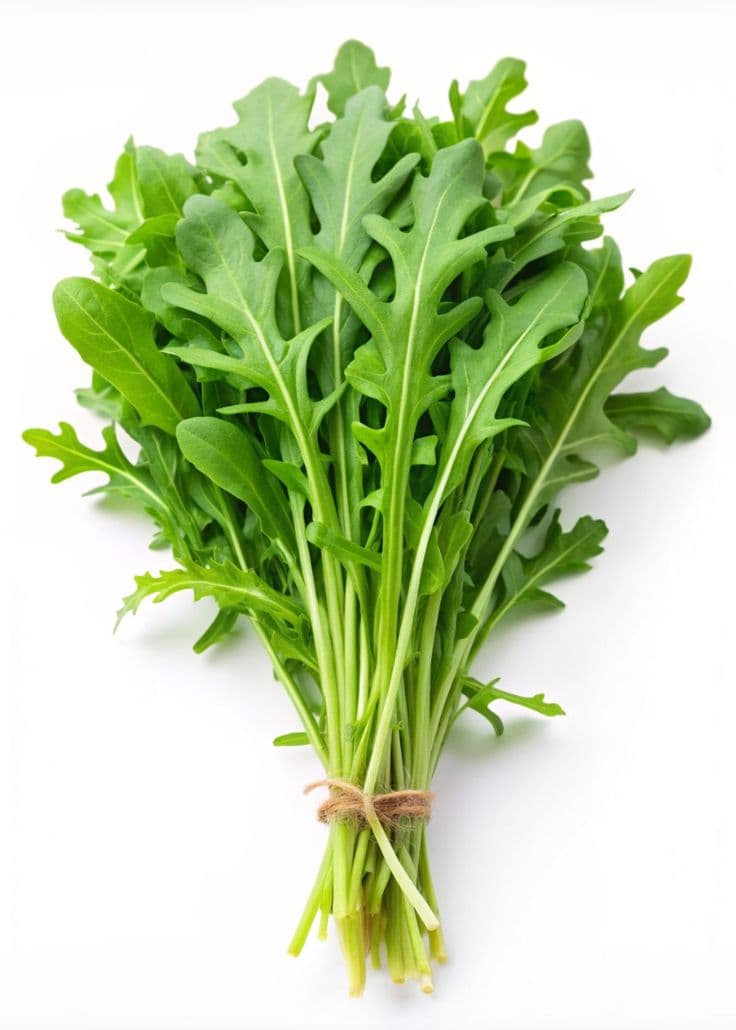
Fast, peppery and endlessly useful in a salad bowl. Rocket is one of the quickest crops you can grow, ready in as little as four weeks and happy in beds, containers or on a windowsill.
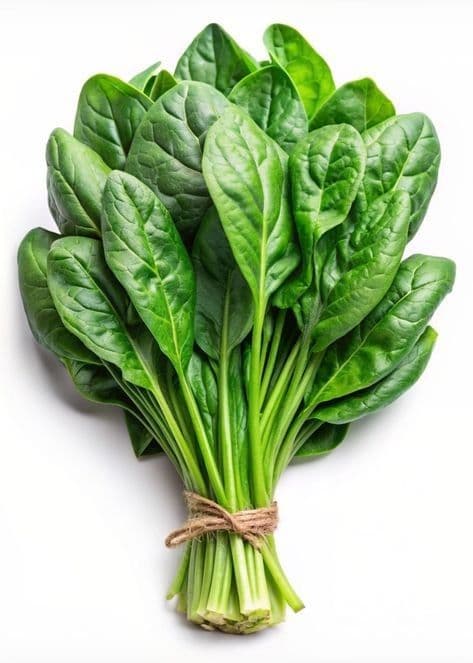
Fast-growing and nutrient-dense. Sow in spring and again in late summer to avoid the bolting season.
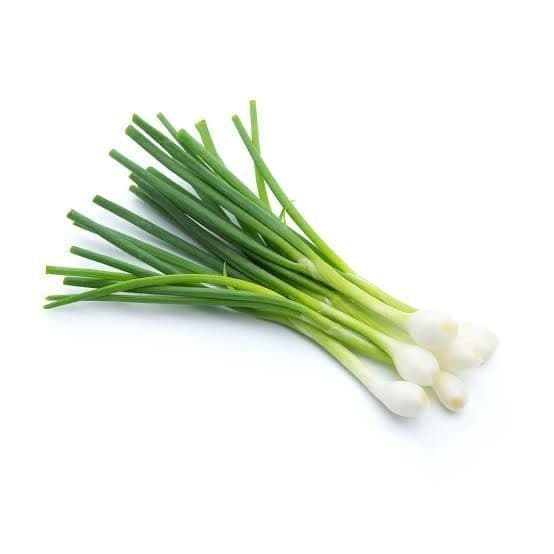
One of the fastest and most useful crops in the kitchen garden. Sow every few weeks and you'll have fresh spring onions continuously from spring to late autumn.
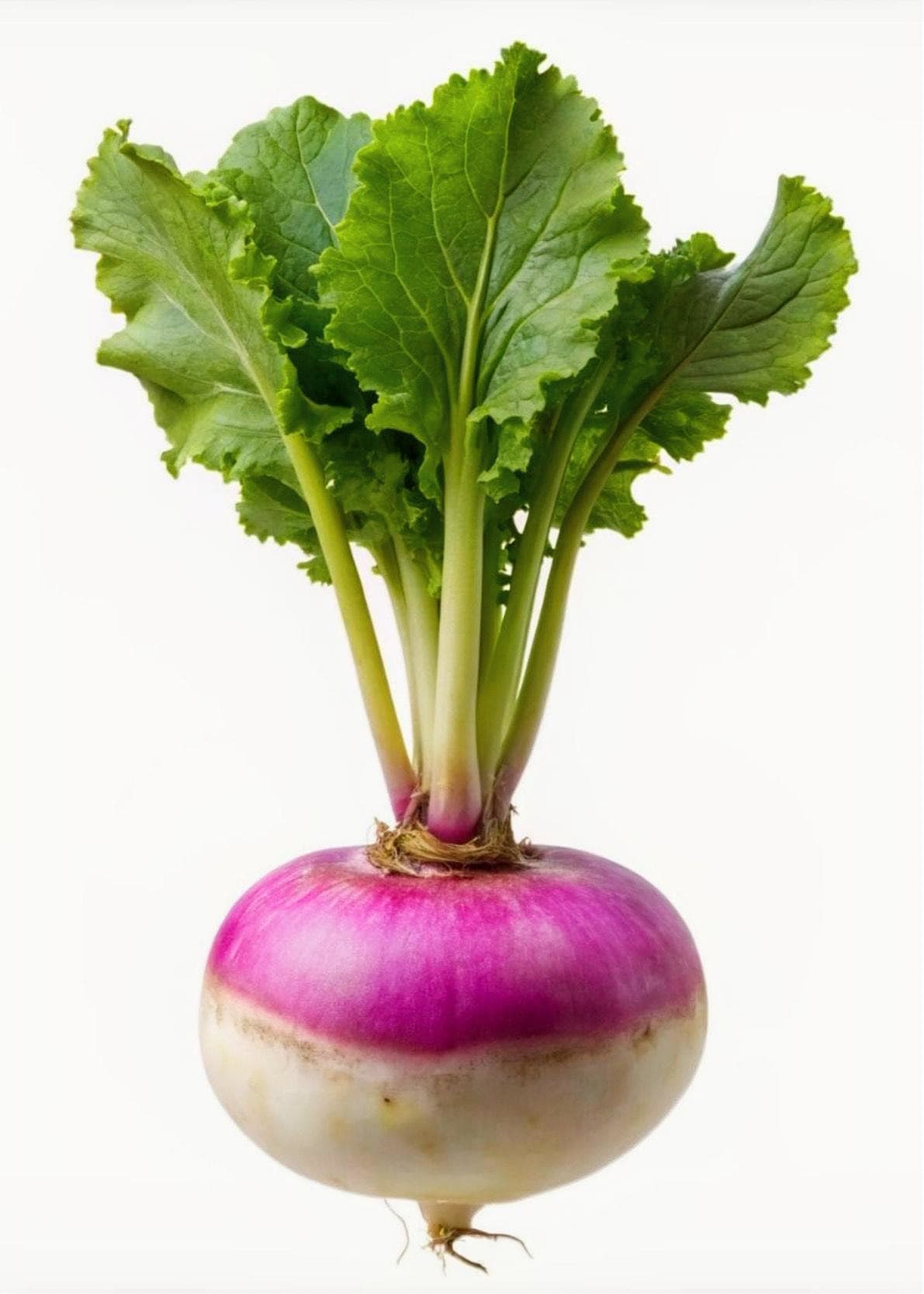
Fast-growing and underrated. Baby turnips are sweet and tender; larger roots are great for roasting. One of the quickest root crops: ready in as little as 6 weeks.
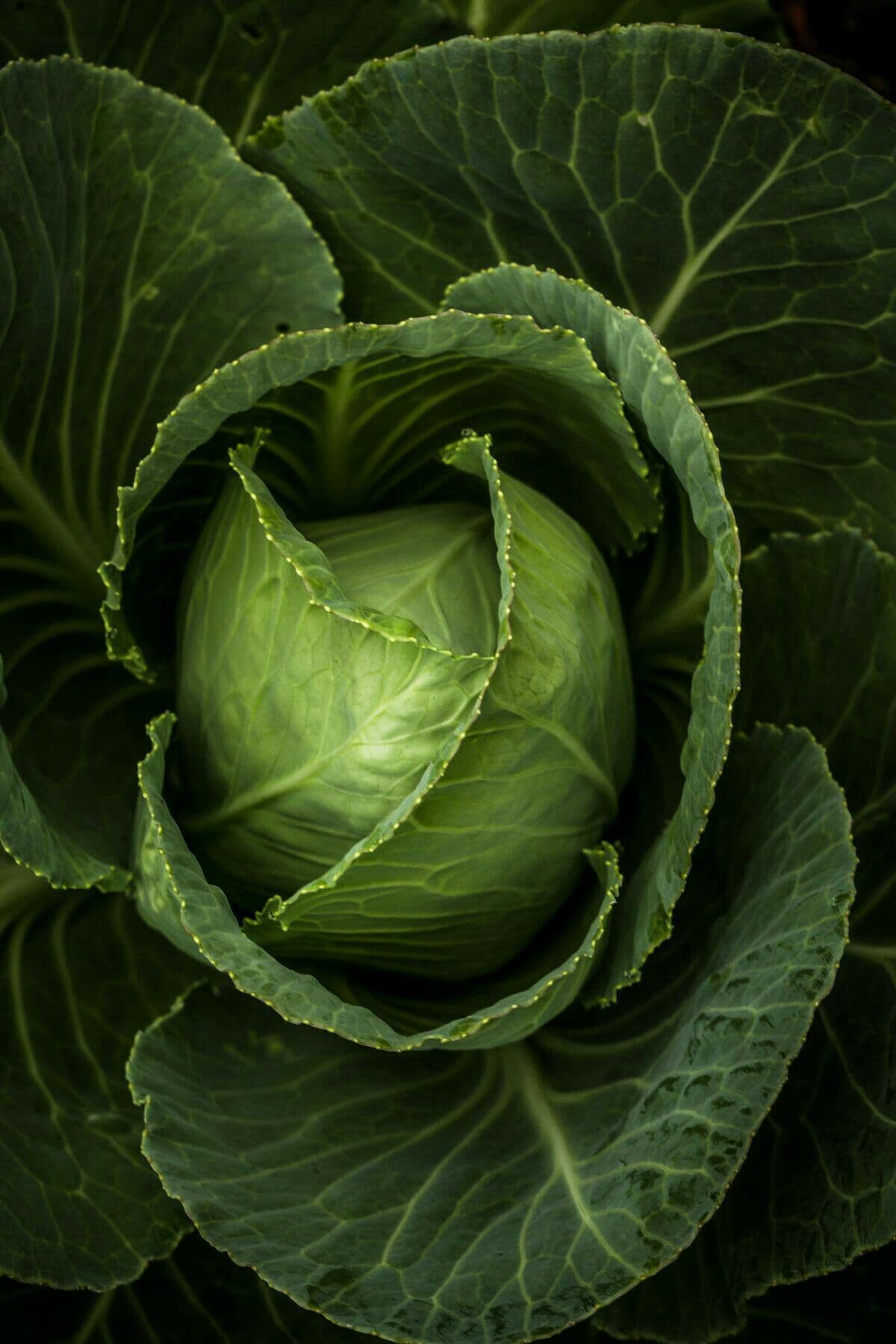
A British kitchen garden staple available almost year-round with the right variety choices. Spring, summer, autumn and winter types mean there's always a cabbage ready to harvest.
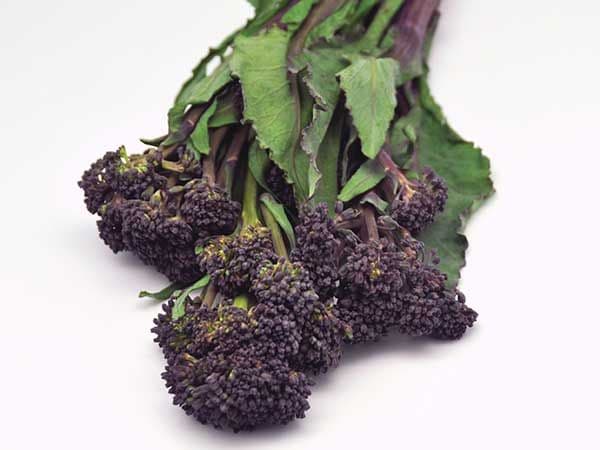
A long-season crop that earns its space. Sow in spring, harvest tender purple spears through late winter when almost nothing else is cropping.
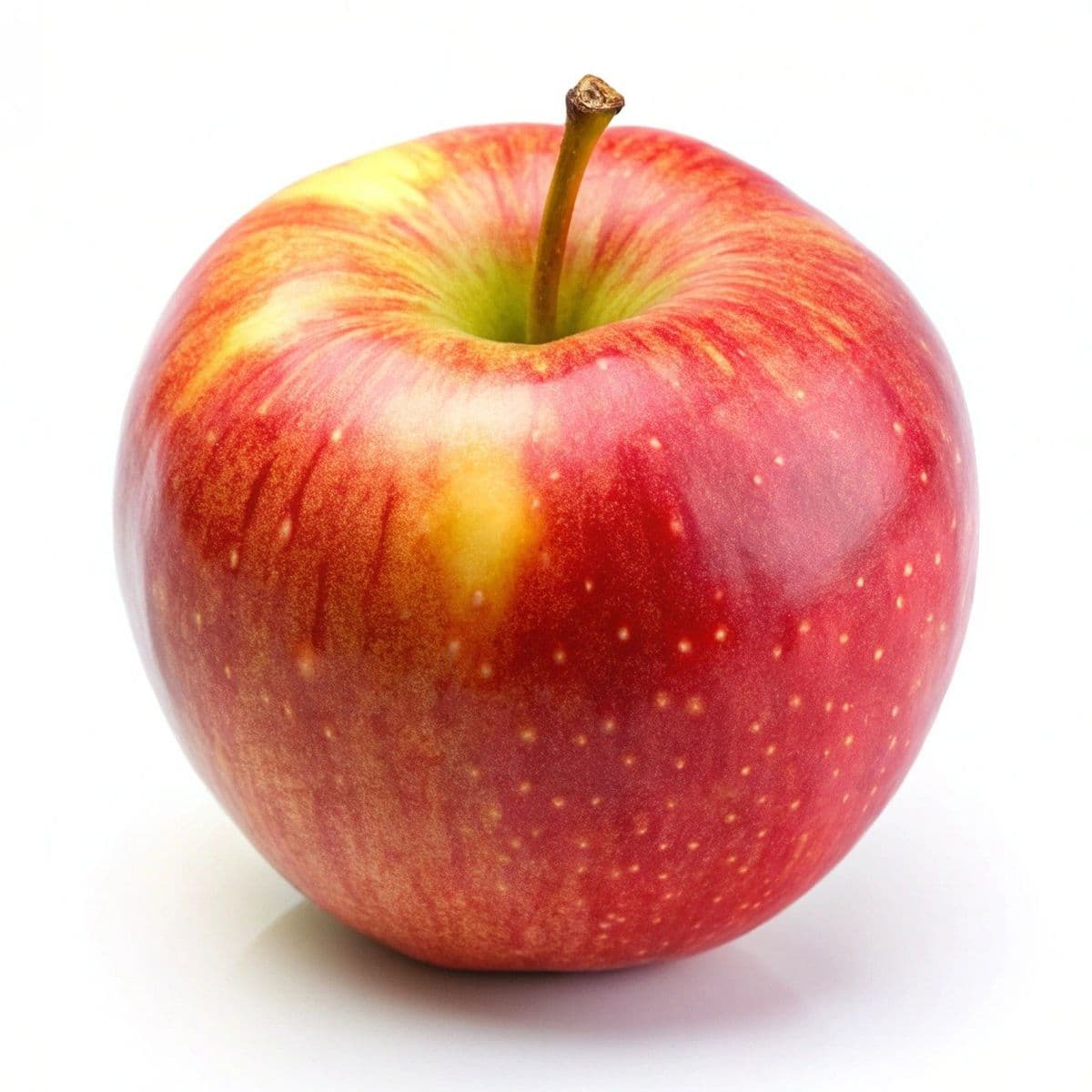
The most forgiving fruit tree for a UK garden: disease-resistant varieties exist for almost every situation, and a well-chosen rootstock keeps even a small garden in apples for decades.
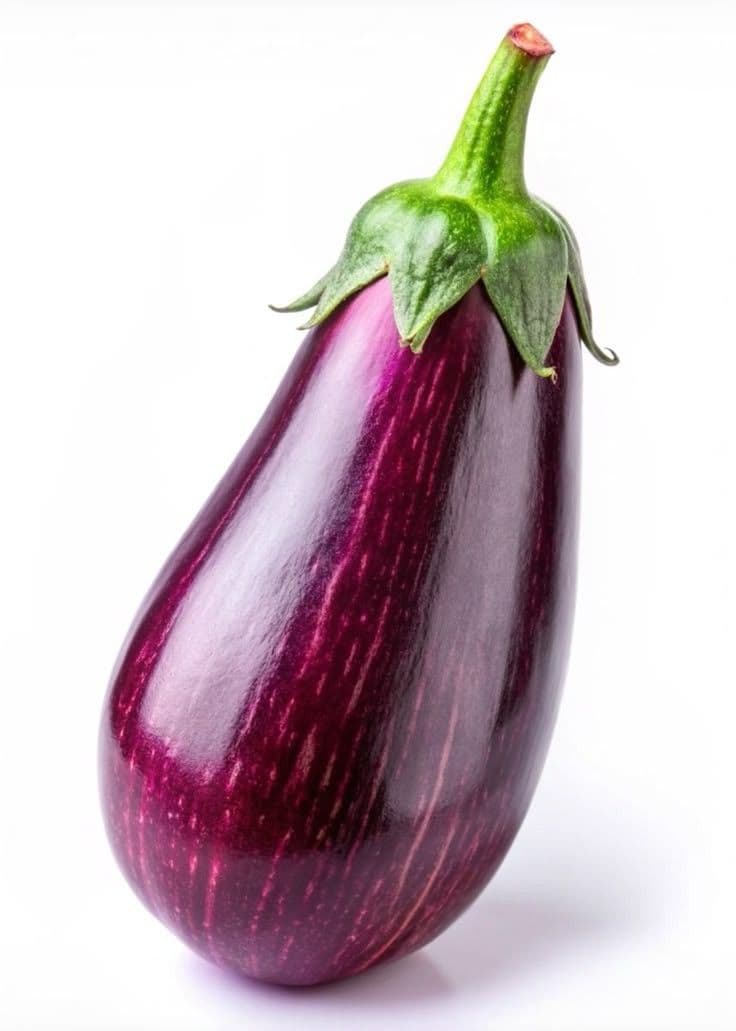
A true heat-lover that needs a greenhouse or a warm, sheltered spot to ripen well in the UK. Start early indoors and glossy purple fruits follow from midsummer.
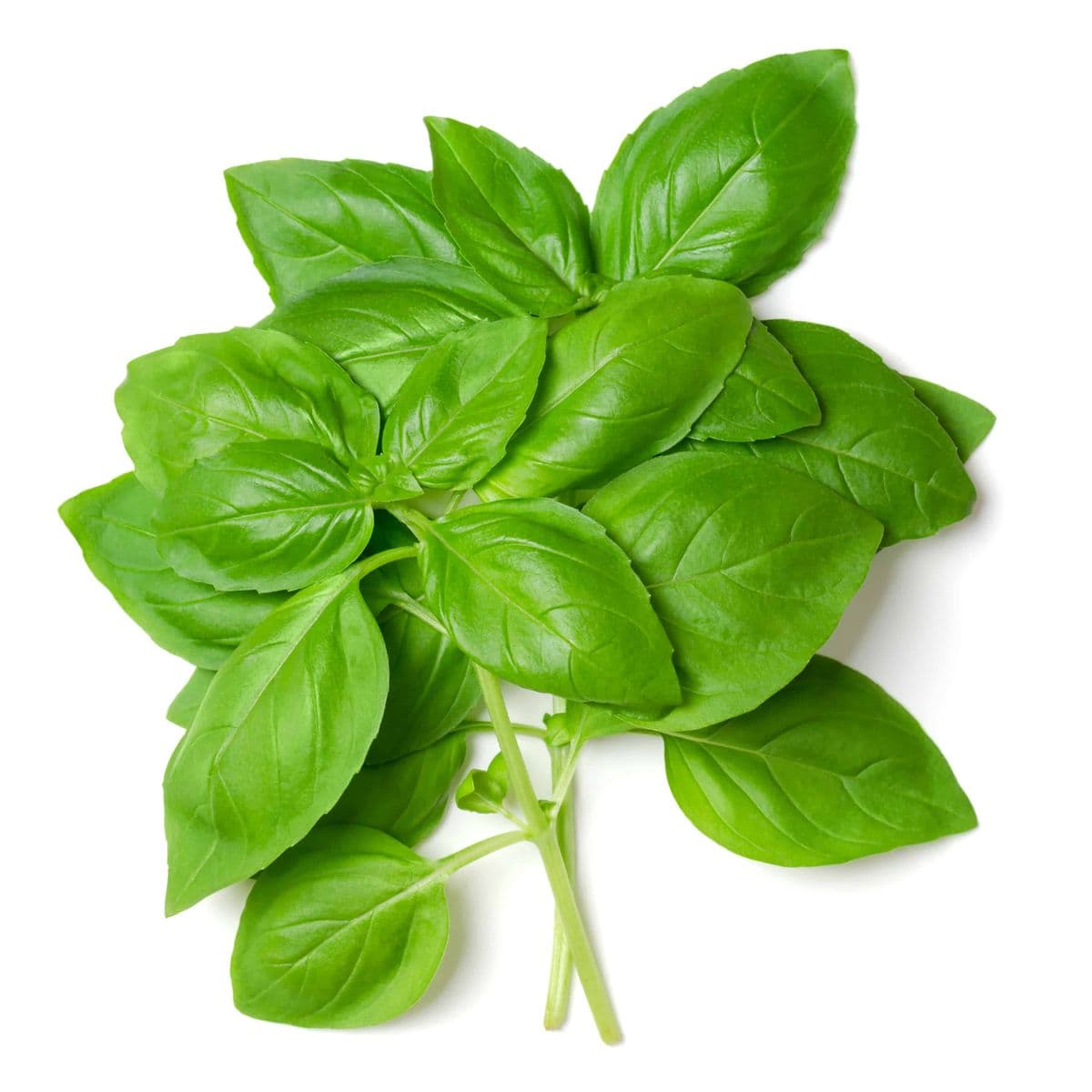
Aromatic and tender. Grows best with warmth: plant alongside tomatoes for a classic combination.
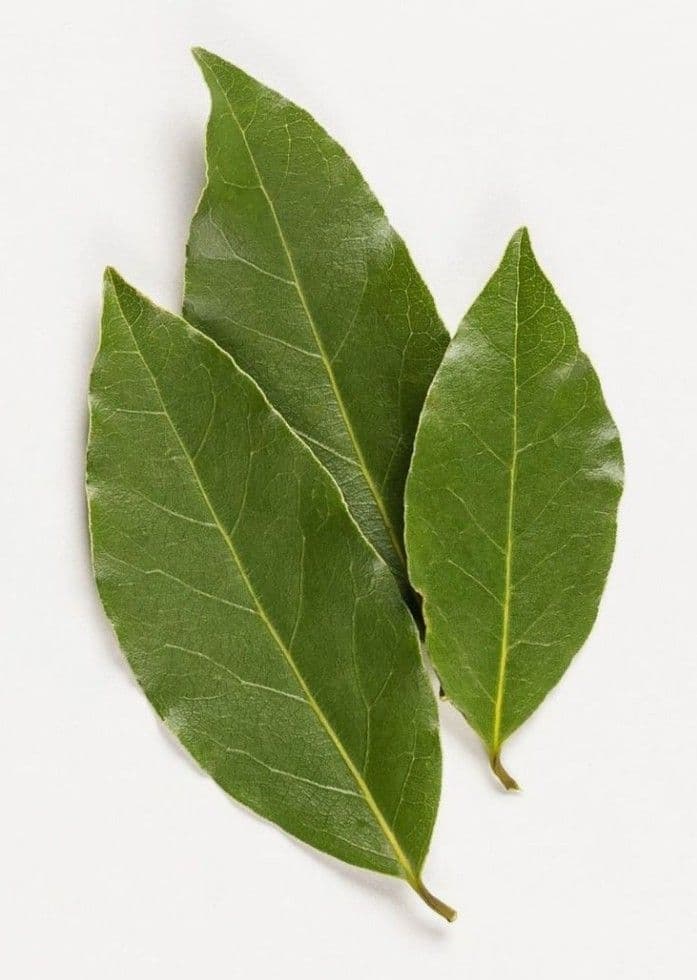
A slow-growing evergreen valued for its leaves, used fresh or dried year-round in cooking. Happy in a large pot for many years, and far more shade-tolerant than most culinary herbs.
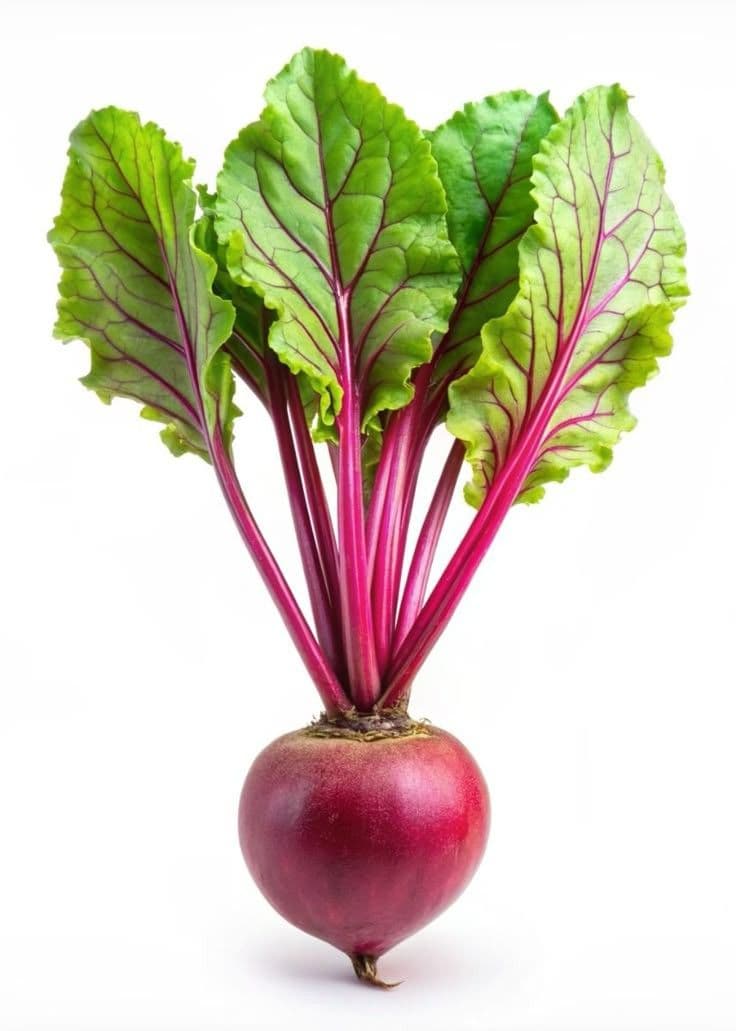
Deep earthy sweetness with striking colour. Sow little and often for a long harvest window.
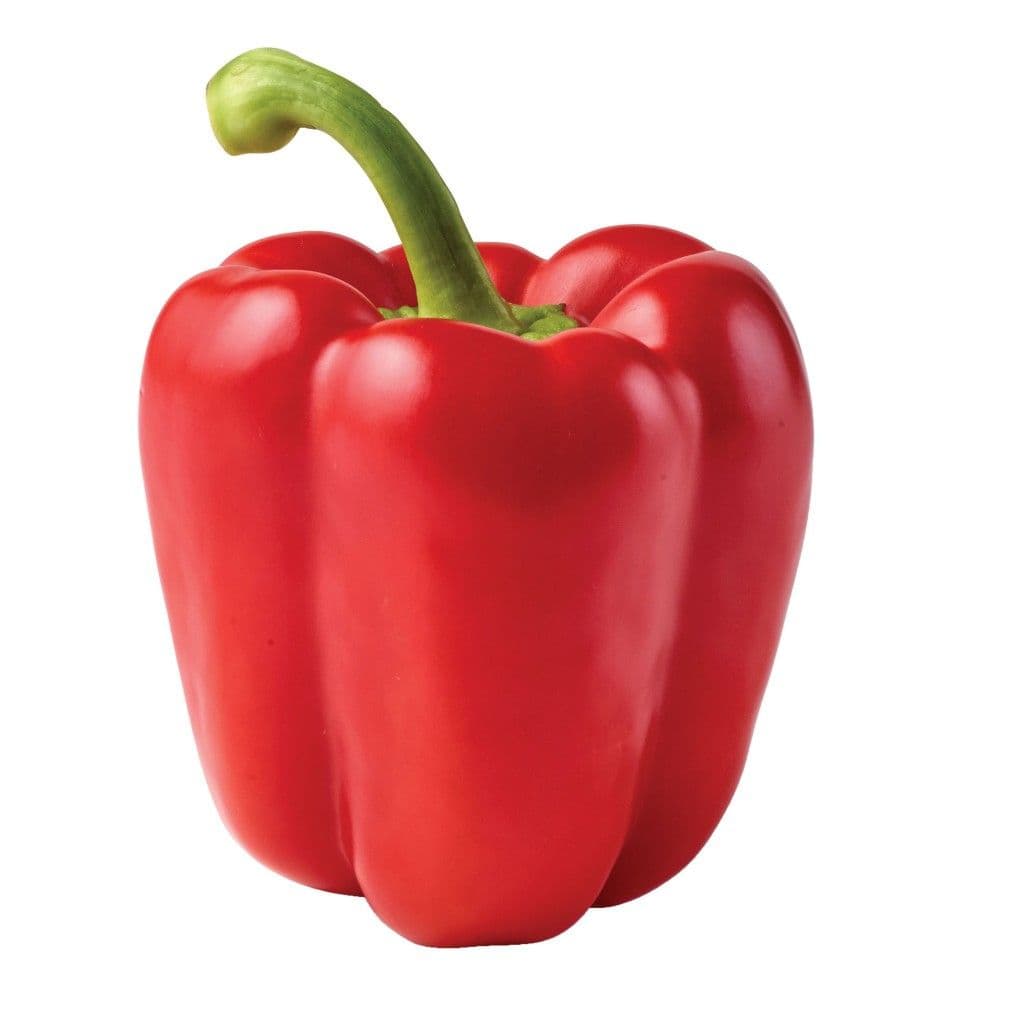
Slow-growing and rewarding. Start early, keep them warm, and by late summer you'll have glossy peppers that cost a fraction of supermarket prices. Far sweeter picked fresh and fully ripe.

Vigorous and deeply productive once established. A thornless variety on a sunny fence will yield kilos of fruit from late summer into autumn with almost no intervention.

Demanding to establish but worth the effort. Get the soil pH right, water with rainwater, and you will have a productive bush for twenty years or more. Feed lightly and organically: blueberries prefer gentle nutrition over heavy feeding.
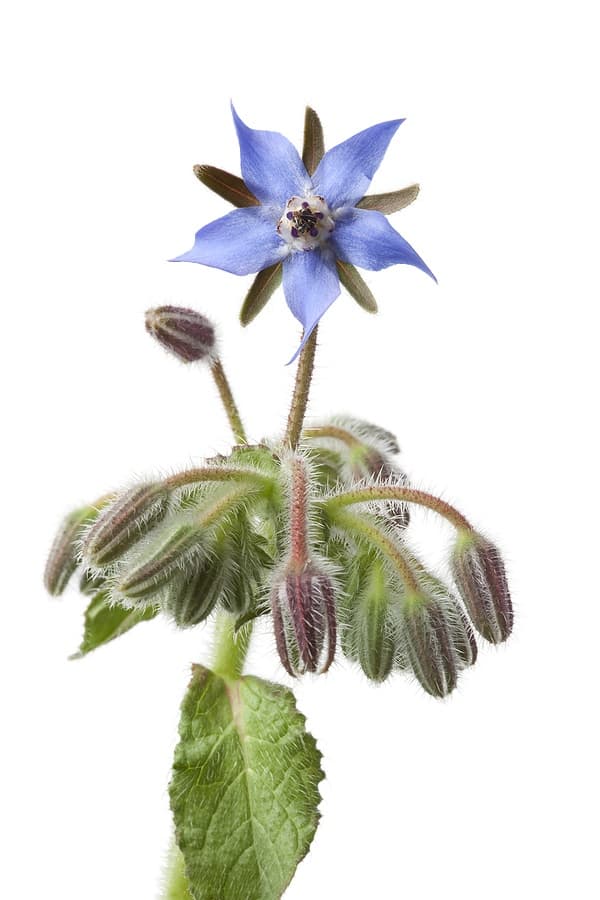
The hardest-working companion plant in the garden. Borage attracts pollinators, deters tomato hornworm, and its blue flowers are edible. Sow it once and it will return every year.

The fast brassica for impatient growers. Sow in succession from spring and you'll be cutting tender heads within three to four months, with side shoots to follow.

Bright orange and yellow pot marigolds that flower continuously from late spring to the first frost. Edible petals, excellent for pollinators, and a reliable companion plant: one of the most useful flowers in any kitchen garden.
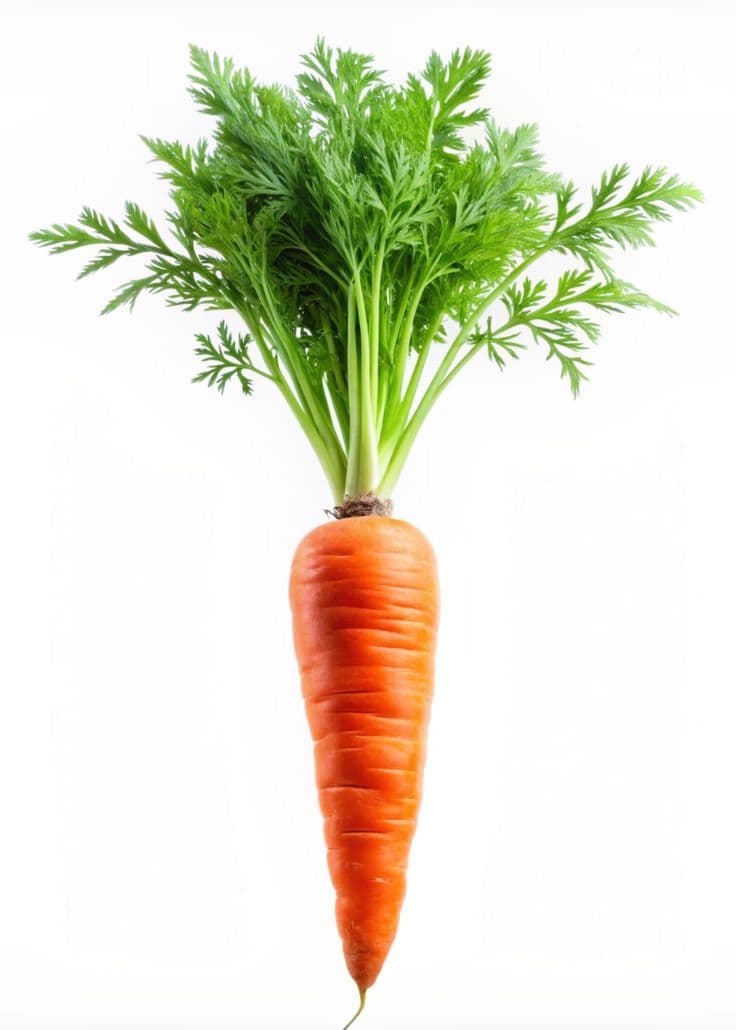
Sweet and earthy straight from the ground. Needs loose, stone-free soil for long, straight roots.
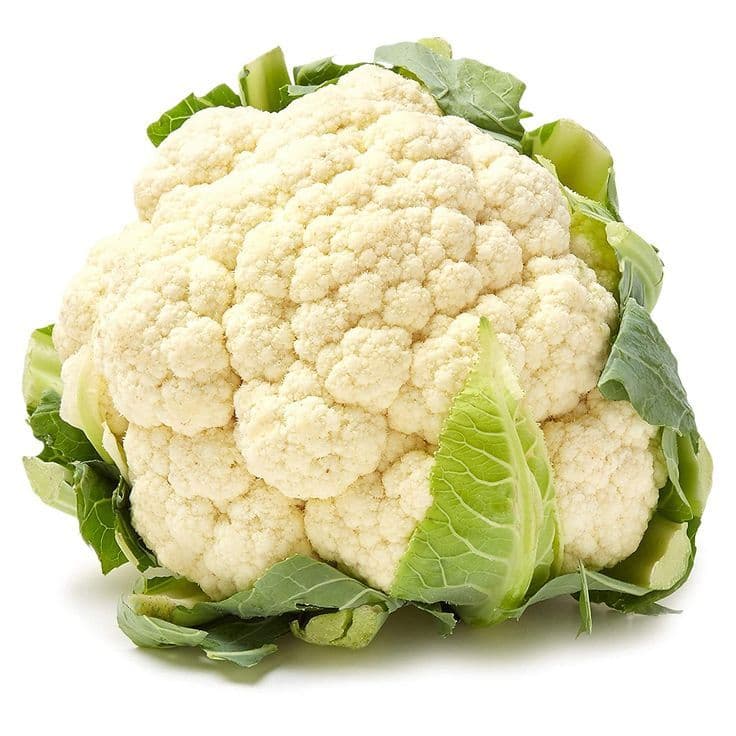
Demanding but deeply satisfying. Cauliflower needs consistent moisture, good soil and careful timing: get those right and a home-grown head is far superior to anything bought in a shop.
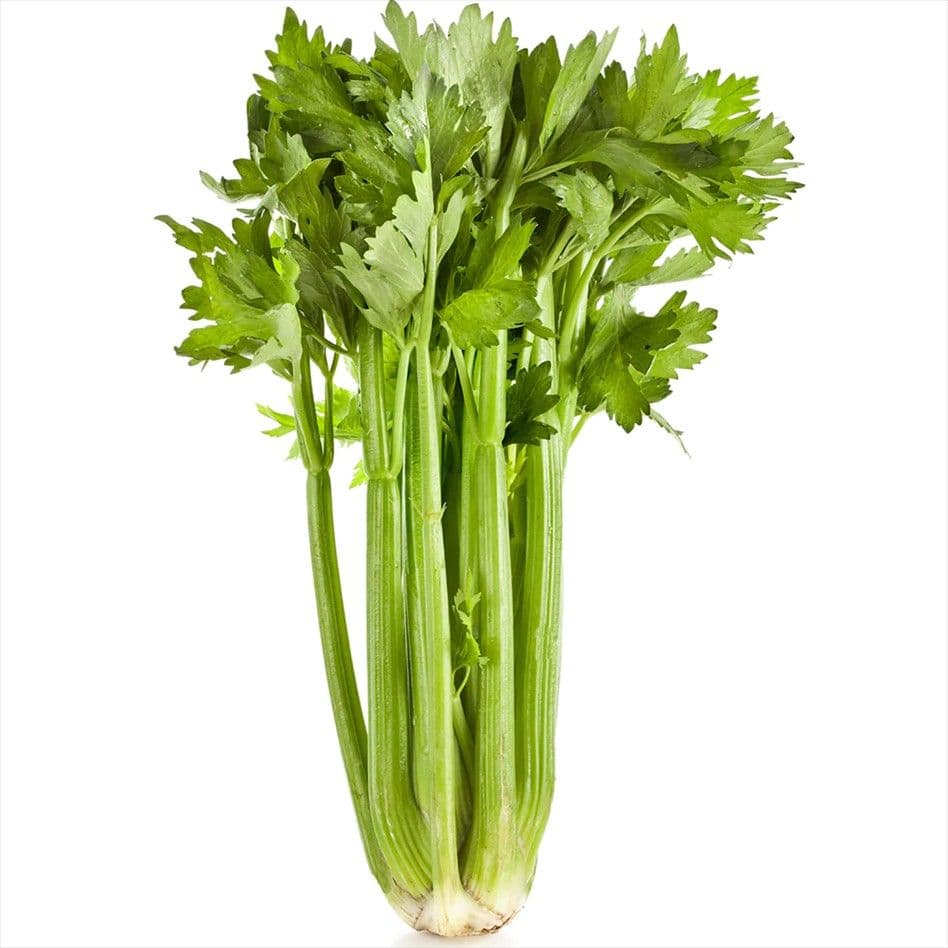
The most demanding crop in this guide. Celery needs consistent moisture, warm soil, and a long season. Get those right and the reward is crisp, intensely flavoured stalks: nothing like the pale supermarket version.

A fast, easy annual grown for its small daisy-like flowers, the classic source of chamomile tea. Needs light to germinate, so seed goes on the surface, not buried.
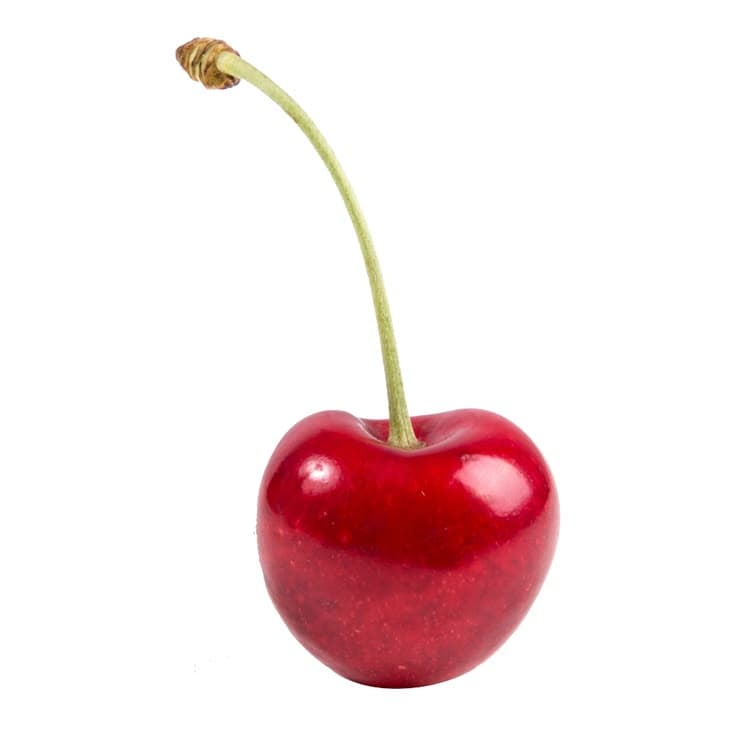
The slowest of the common UK tree fruits to reward you, and the one birds want most, but a netted, well-chosen dwarf cherry is a genuine centrepiece crop.
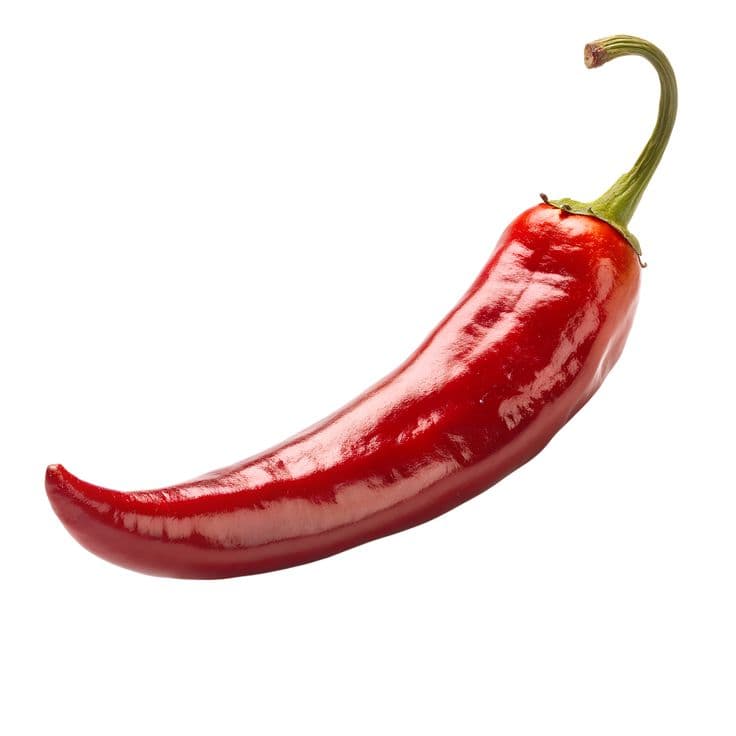
Heat-loving and endlessly rewarding. Start early indoors and they'll fruit abundantly from midsummer right through to first frost.
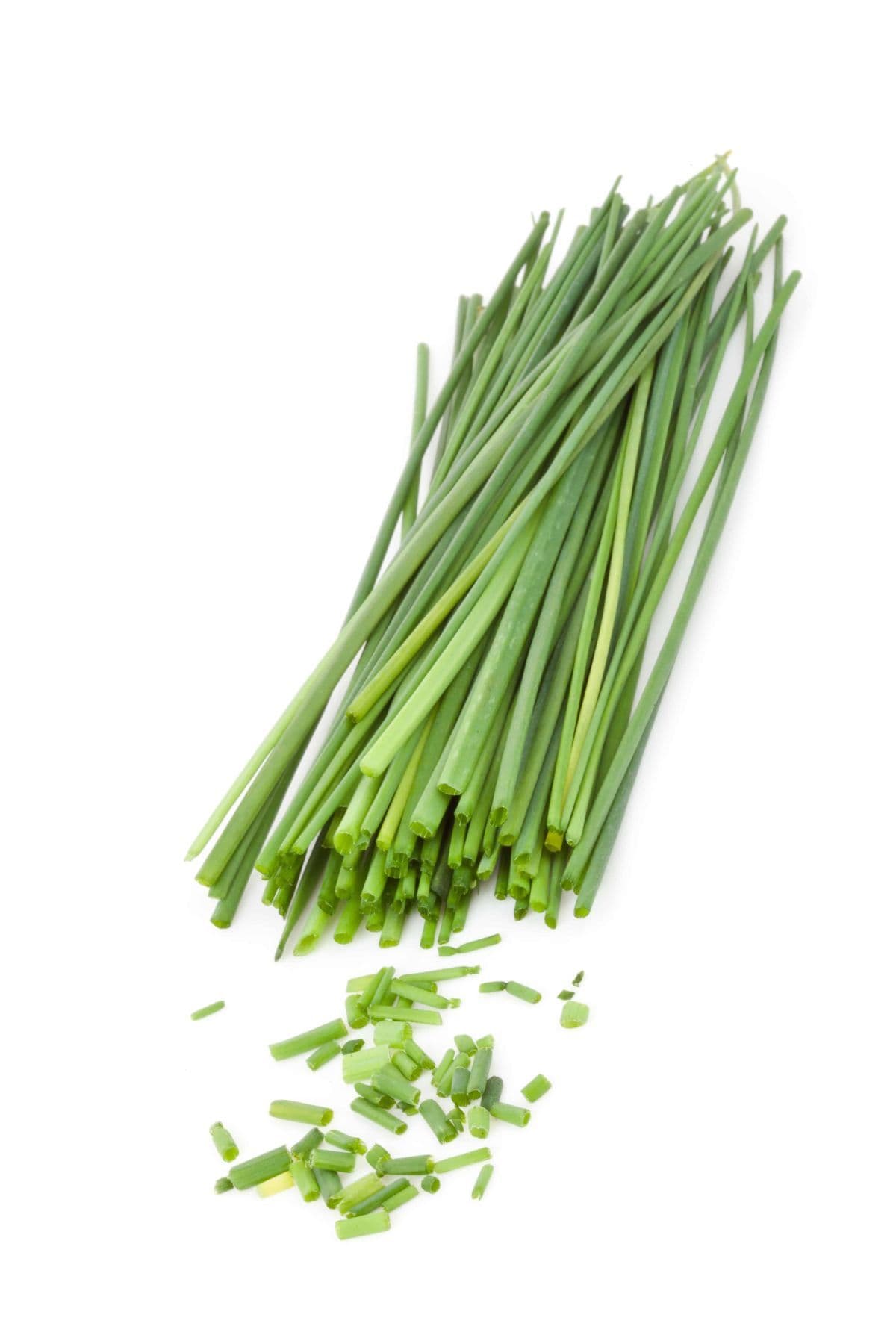
Mild onion flavour with delicate purple flowers. Cut back regularly for a continuous supply of fresh snipping leaves.
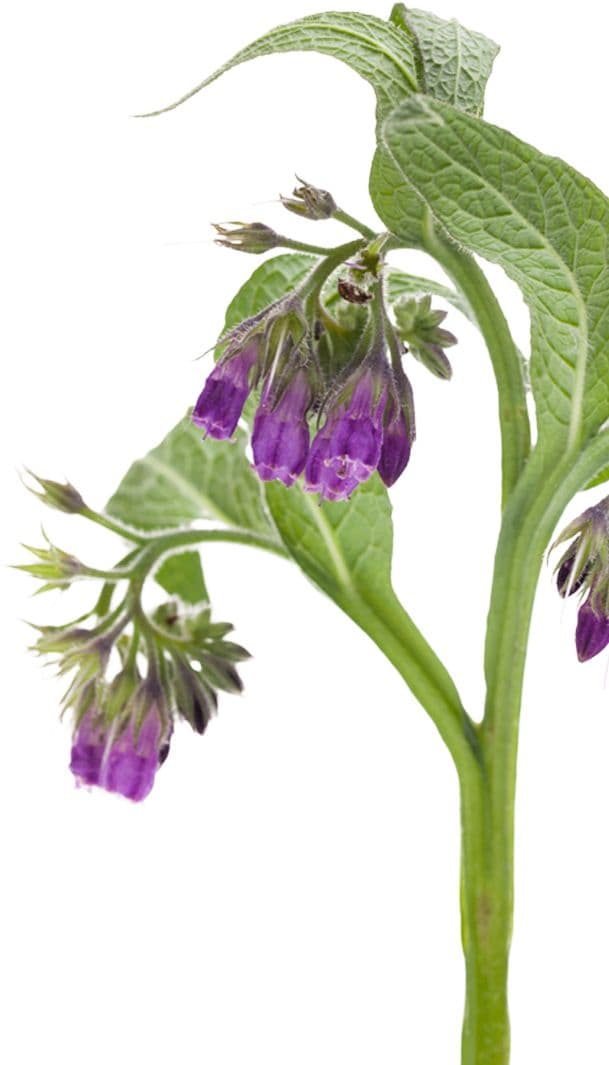
A deep-rooted perennial grown not to eat but to feed everything else. One planting of the sterile Bocking 14 cultivar gives a free, potassium-rich liquid feed and mulch for twenty years or more.
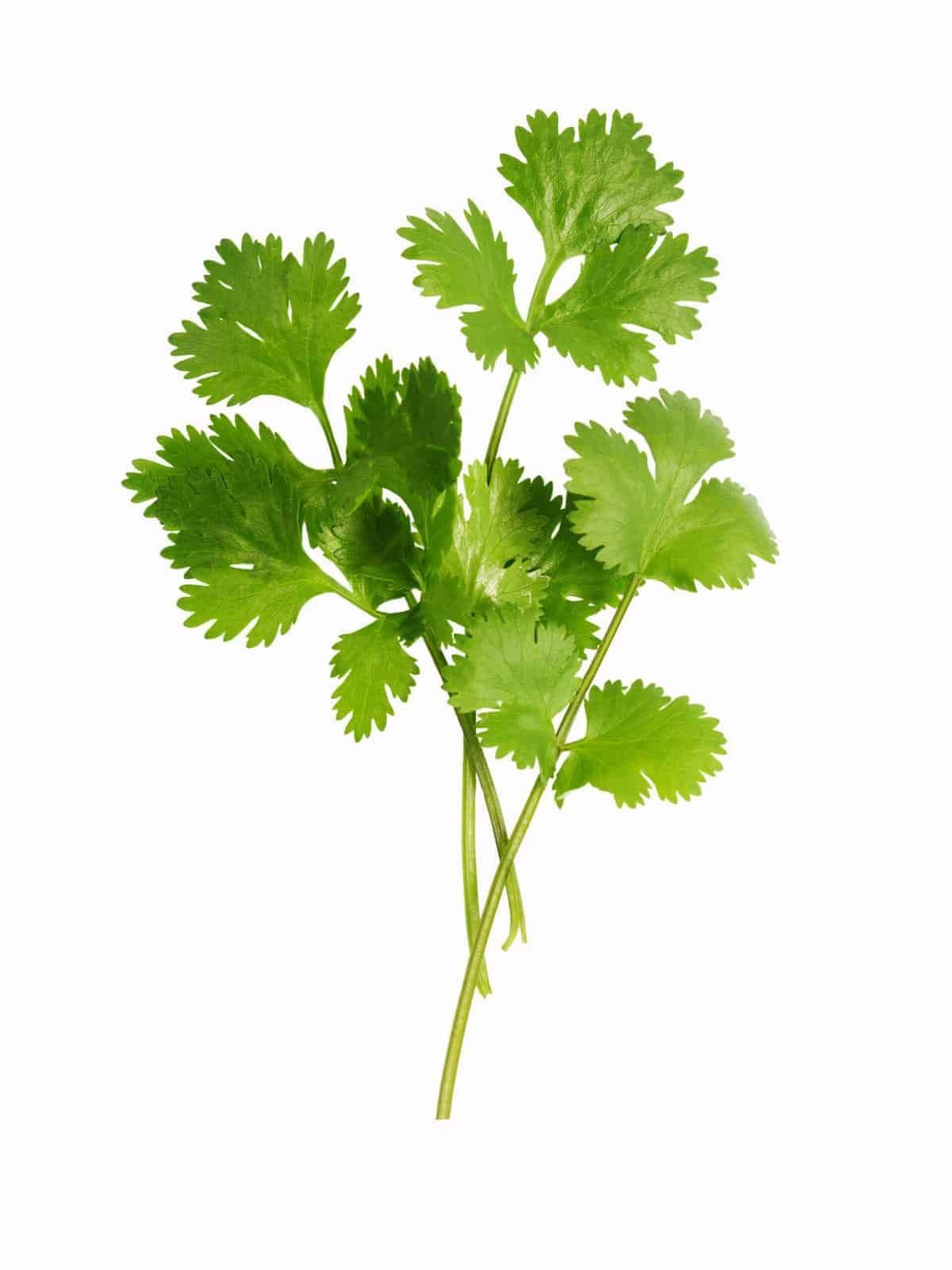
Fast, fragrant and quick to bolt. Sow it often through summer rather than once, and treat each batch as a few weeks' worth of leaves rather than a season-long crop.
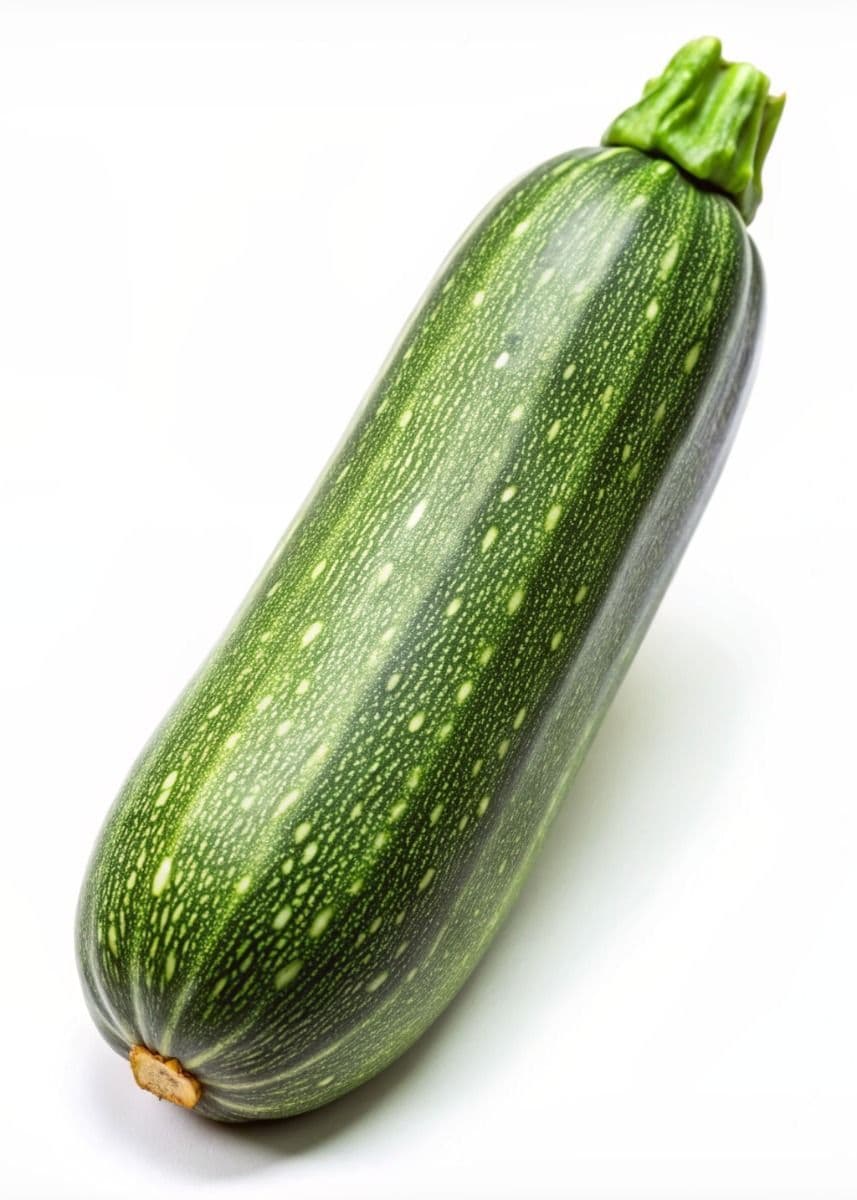
Prolific and easy to grow. Harvest young for the best flavour and keep plants producing.
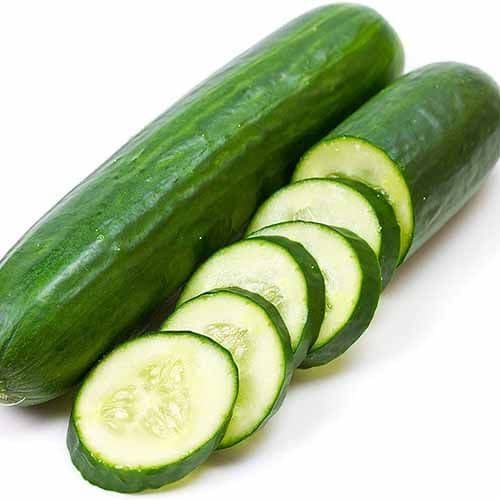
Crisp and refreshing. Cucumbers thrive with warmth and consistent moisture: excellent in a grow bag or greenhouse.
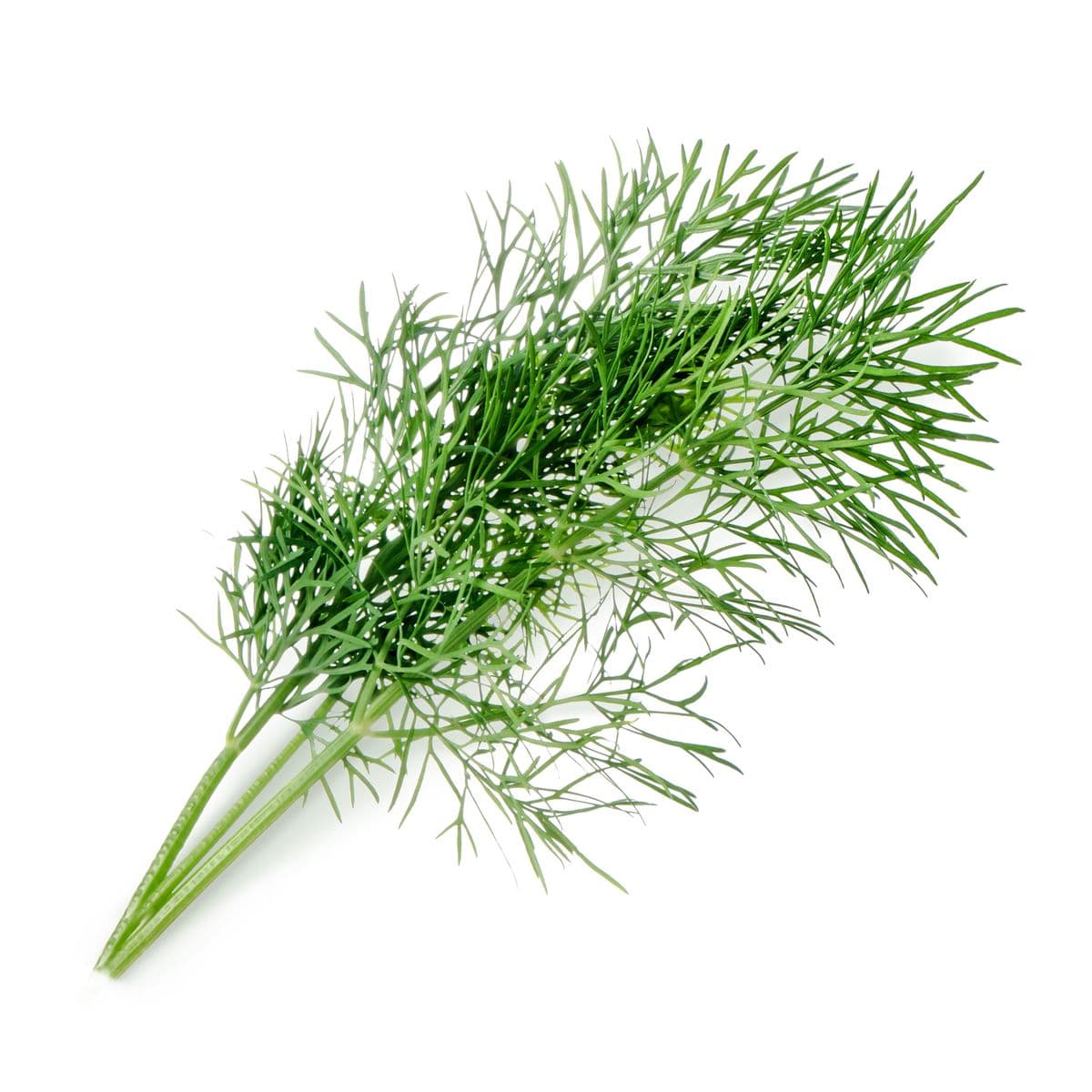
A soft, feathery herb for pickles and fish. Keep picking hard and it stays leafy for weeks; leave it alone and it runs straight to flower.
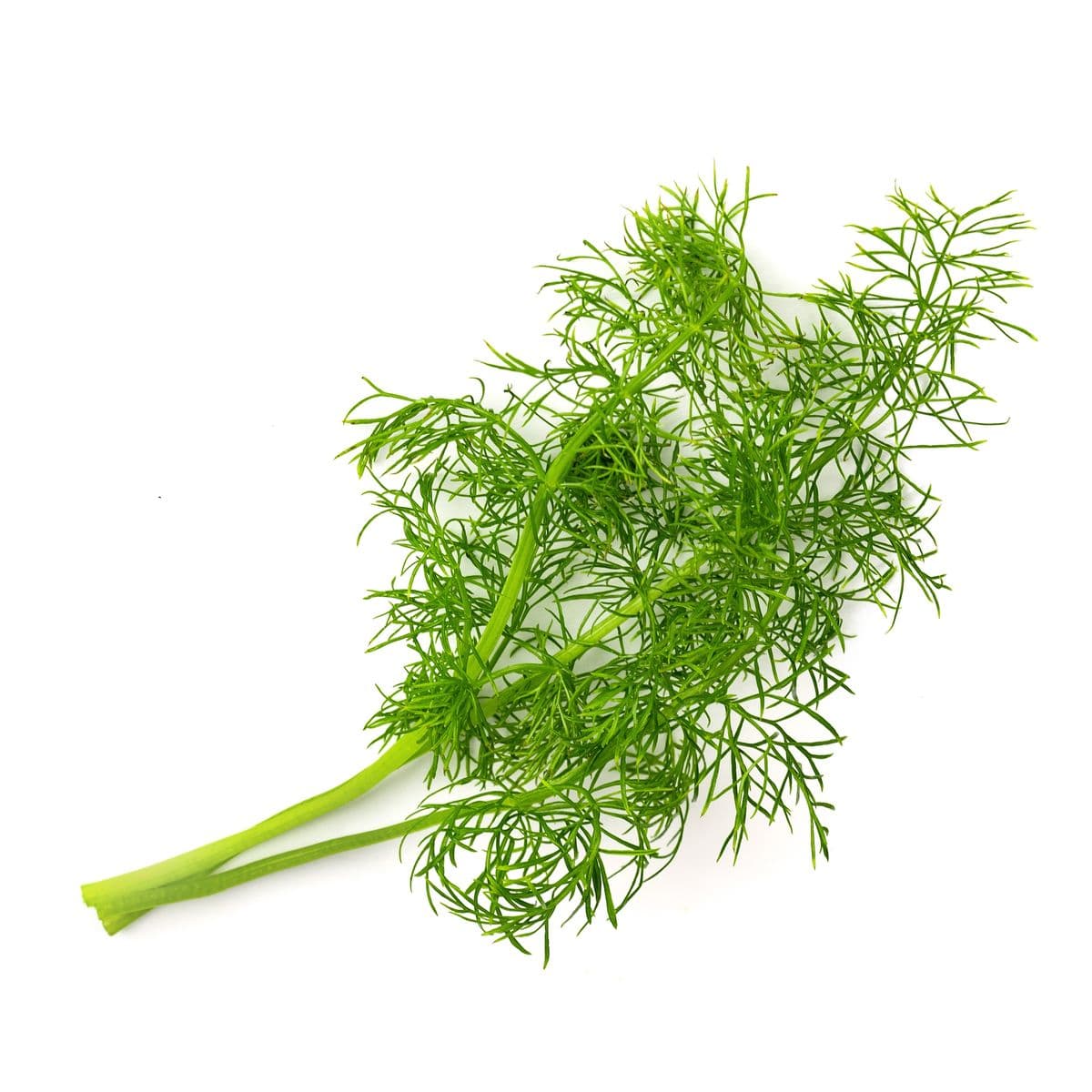
Grown for its feathery foliage and aniseed flavour, not to be confused with Florence fennel's edible bulb. A tall, hardy perennial that self-seeds freely and is a magnet for beneficial insects once it flowers.
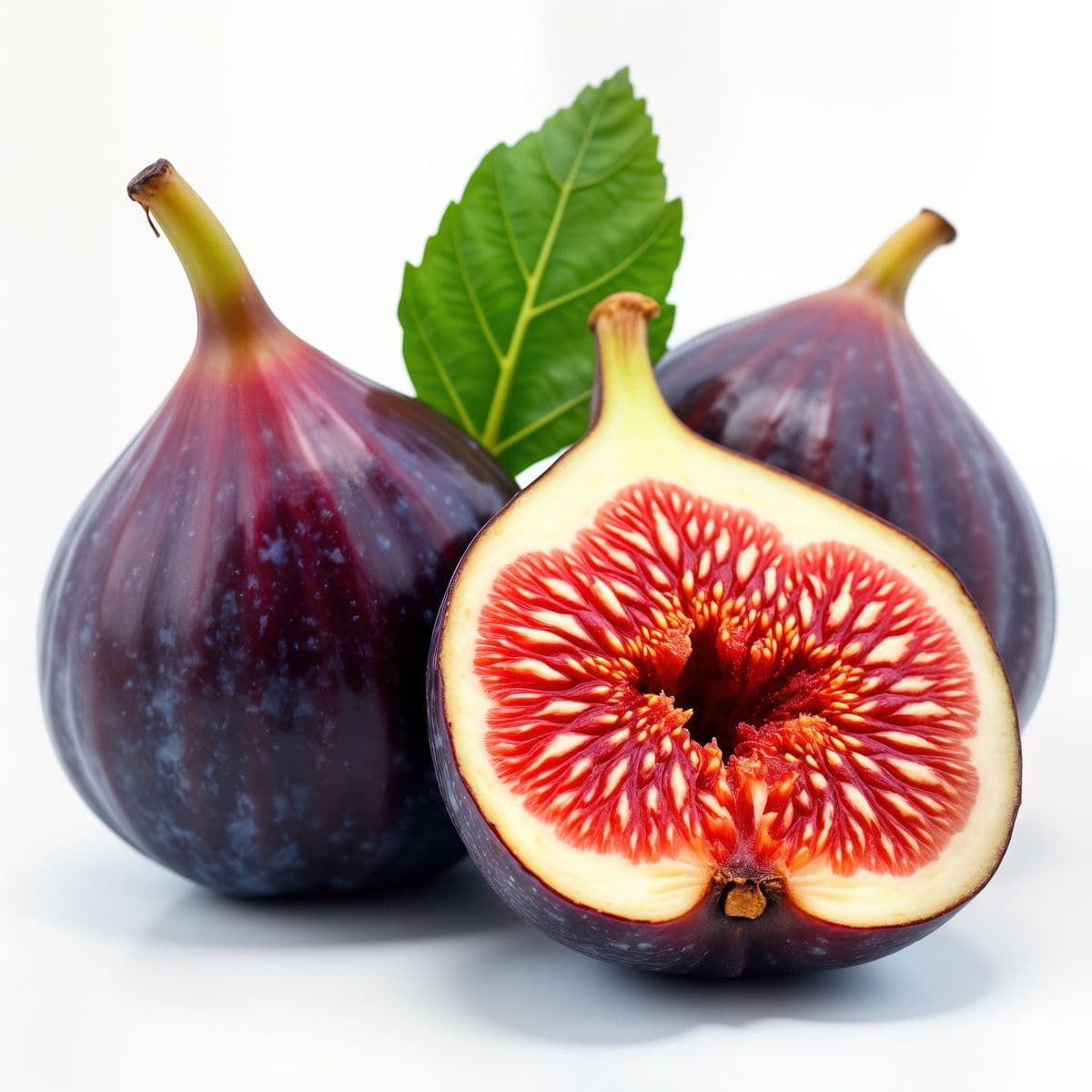
Surprisingly reliable in a warm, sheltered UK spot once its roots are restricted: the tree that most rewards being planted somewhere it can bake against a sunny wall.
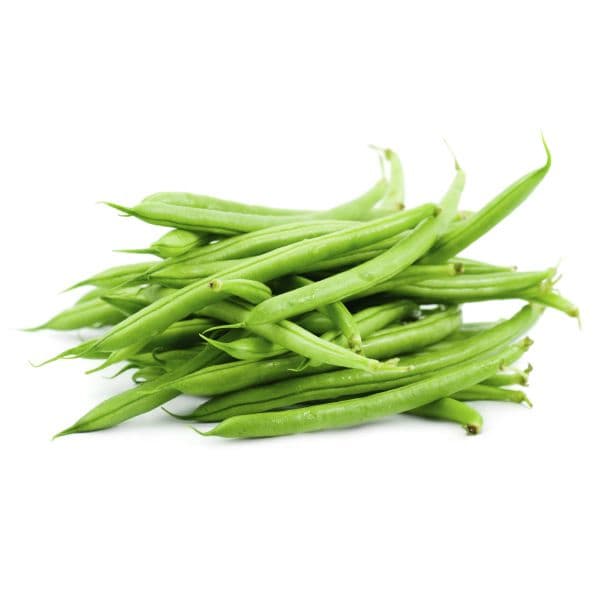
One of the easiest and most productive crops for a UK summer. Sow after the last frost, keep picking, and they'll produce armfuls of pods from July through September.
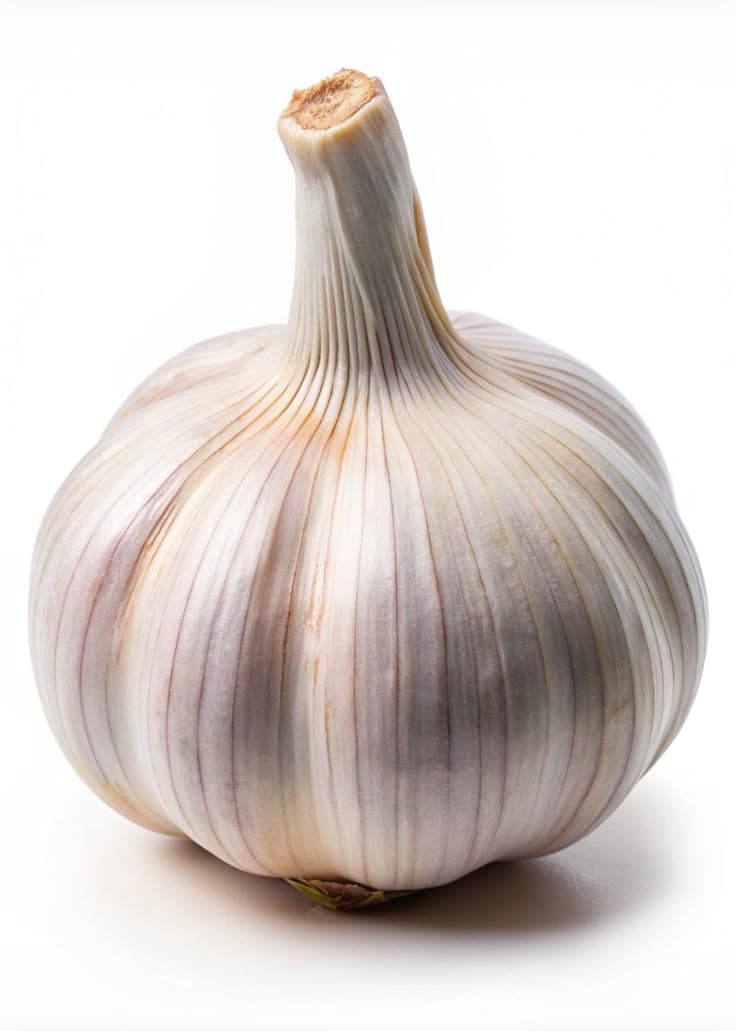
A slow-growing kitchen staple with intense flavour. Plant in autumn for the biggest bulbs and earliest harvest.
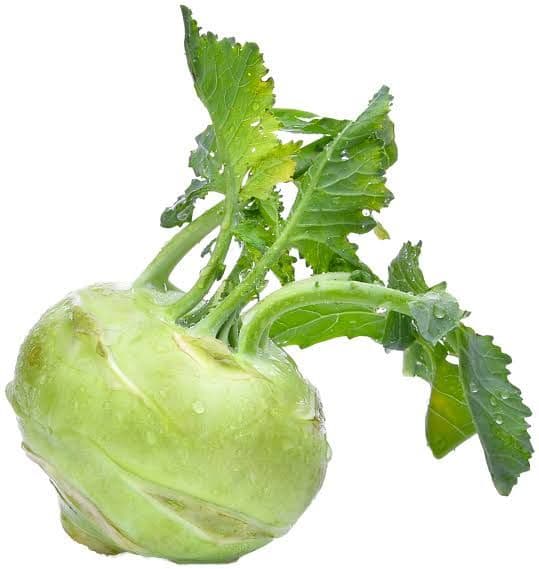
An oddball brassica that crops fast and tastes like a mild, sweet turnip. Sow in succession through summer for a steady stream of crisp, golf-ball-sized bulbs.
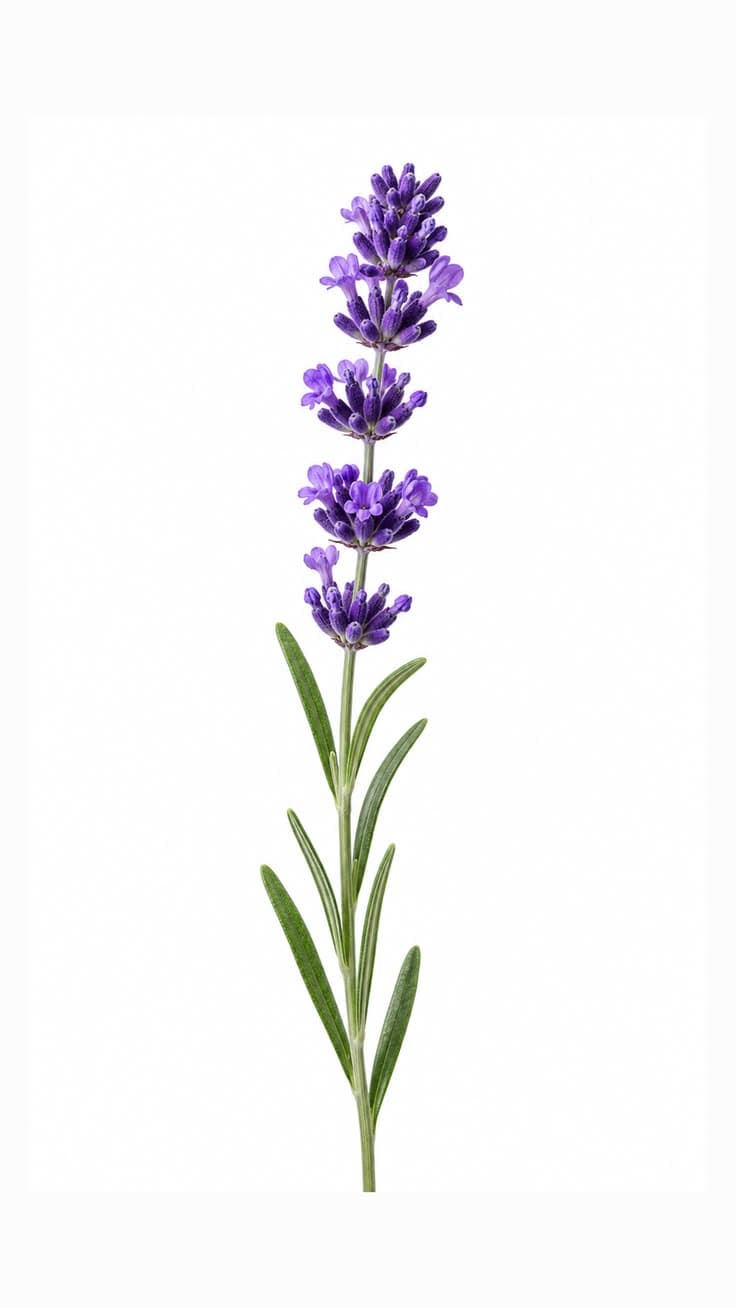
A Mediterranean shrub grown as much for scent and pollinators as for use in the kitchen. Slow from seed but easy from cuttings, and thrives on neglect once established.
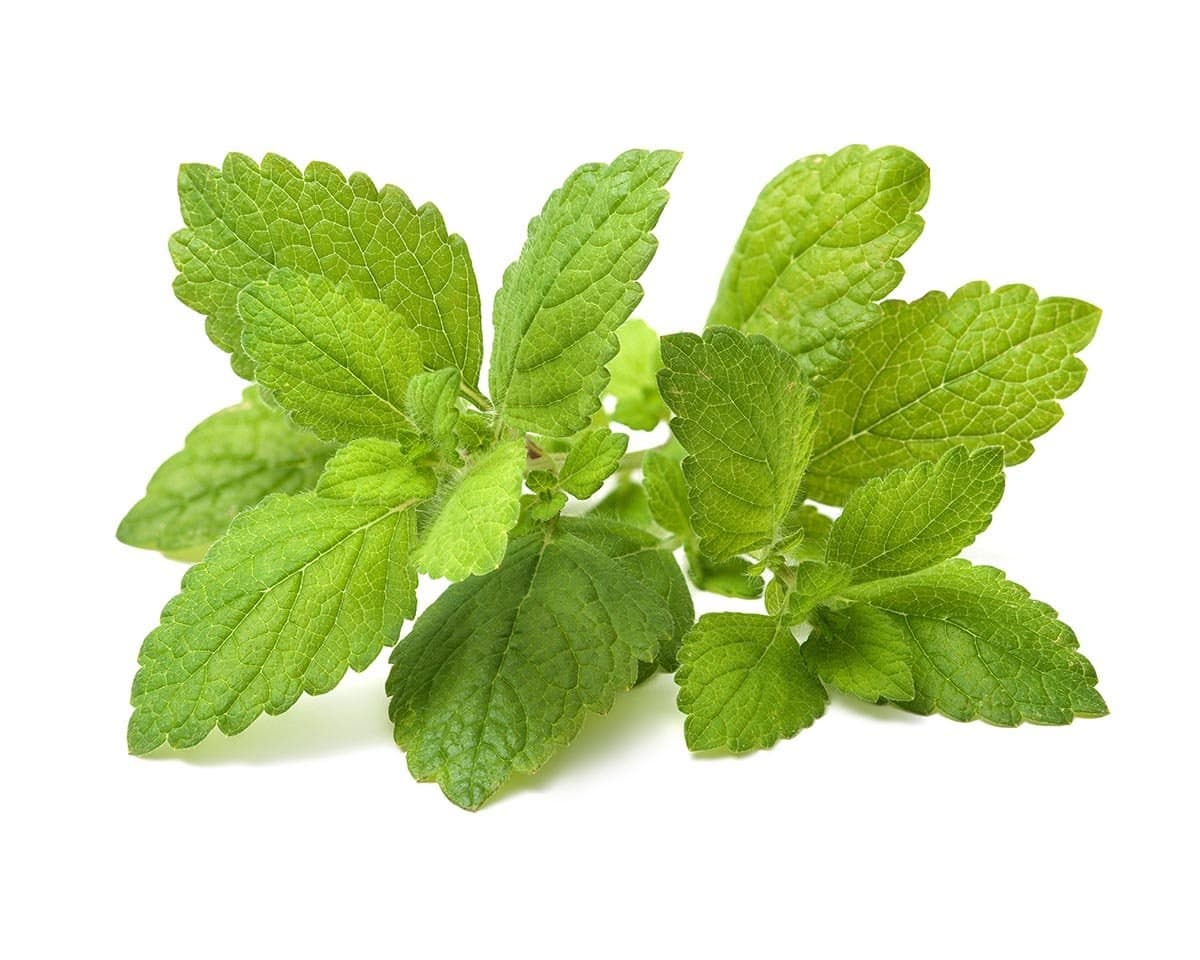
A hardy, lemon-scented mint relative that all but grows itself. One or two plants are usually enough, and deadheading keeps it from spreading where it isn't wanted.
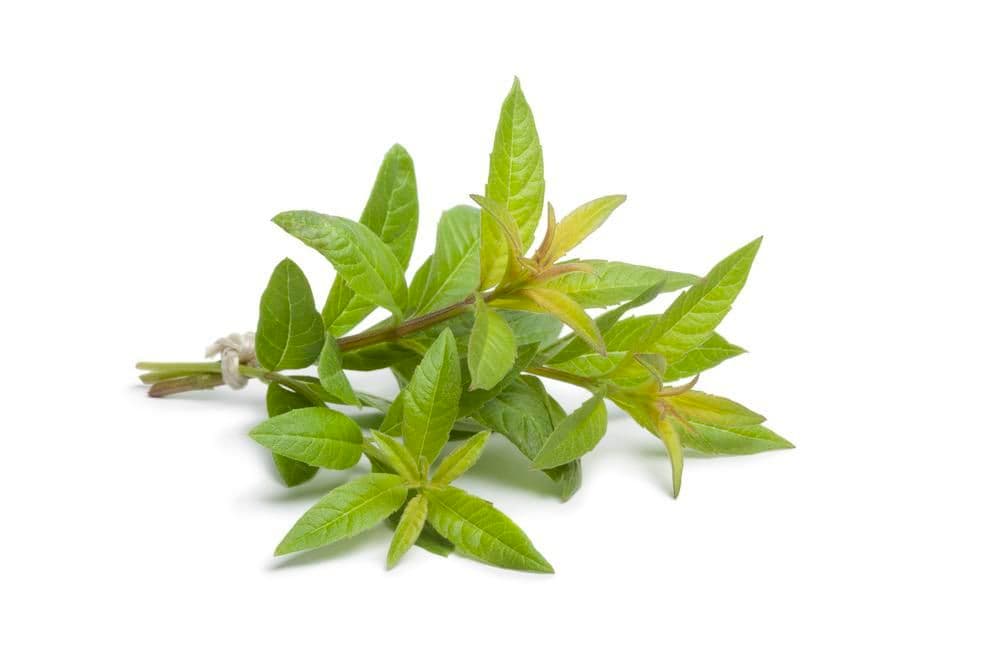
An intensely lemon-scented tender perennial from South America, prized for tea and desserts. Not frost-hardy, and famous for looking completely dead over winter before resprouting late in spring.
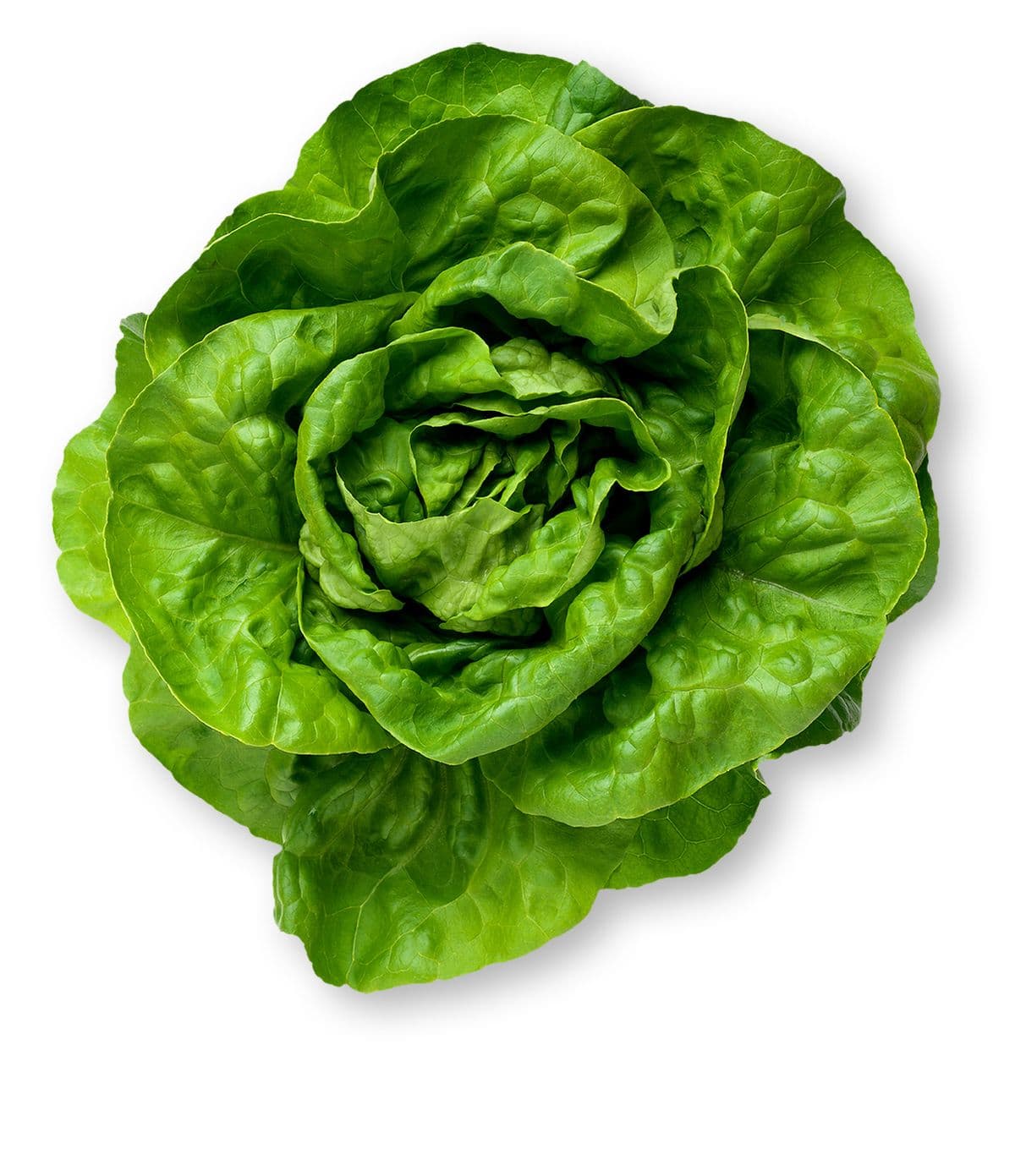
Fast-growing and versatile. Sow every two weeks for a continuous harvest all season.

Slender, pointed sweet peppers with thin walls and notably sweeter flesh than blocky bell types. Varieties like Ramiro and Corno di Toro are more prolific and easier to ripen in the UK climate: a great choice for any greenhouse or sunny sheltered spot.
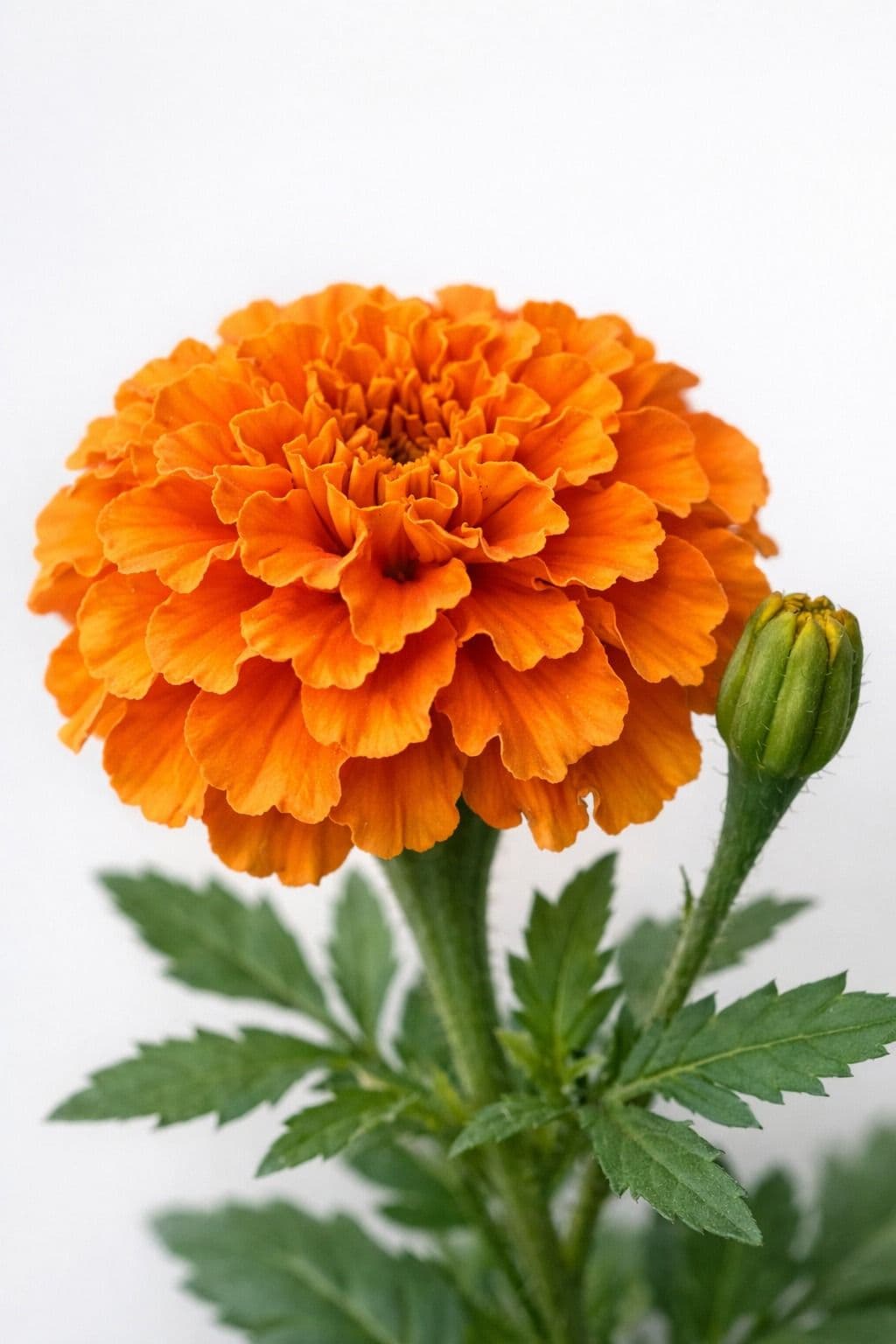
A companion planting essential. Deters pests and brings colour to any growing space.
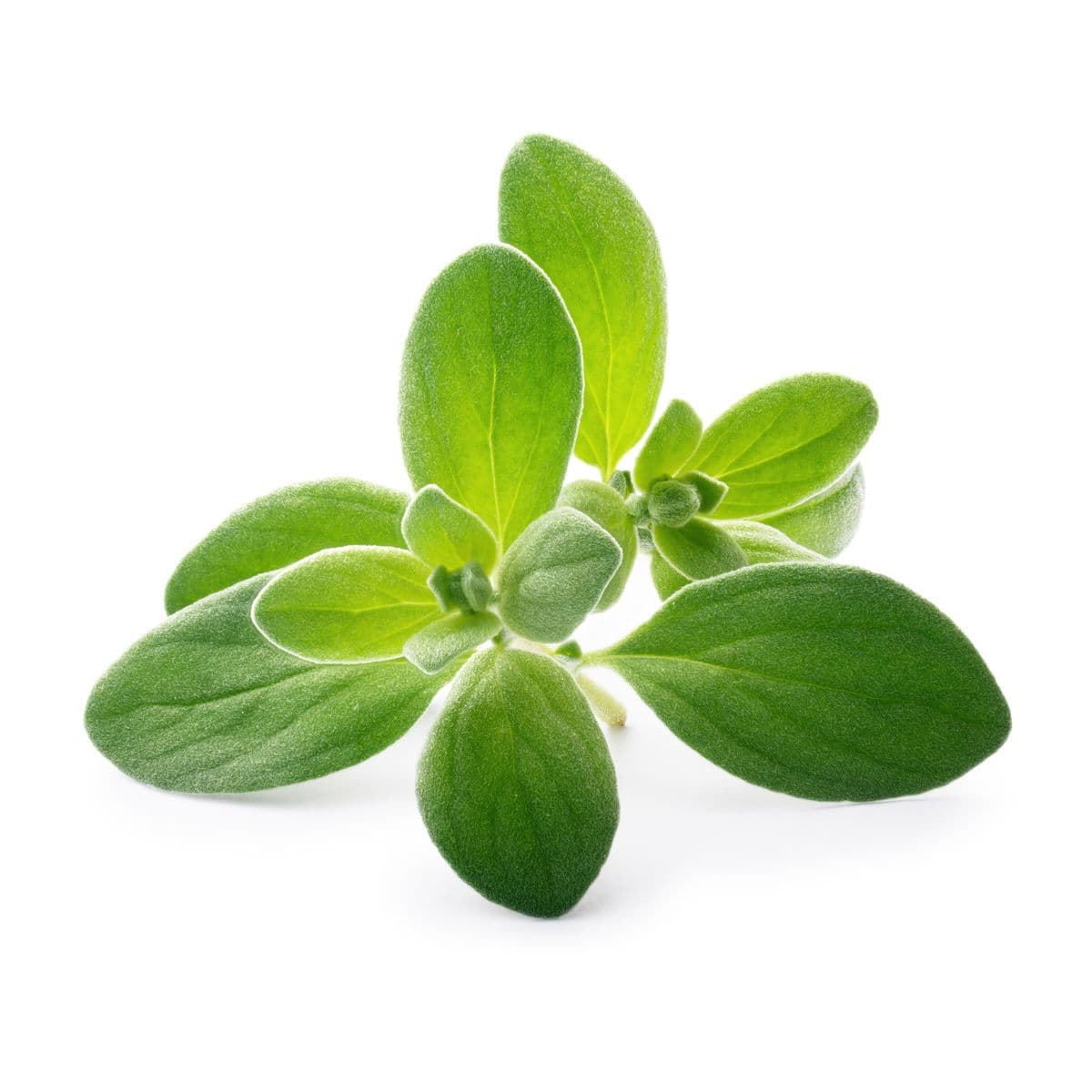
A sweeter, milder relative of oregano, grown as a half-hardy annual in most of the UK. Needs more warmth and shelter than oregano but rewards it with a delicate, sweet flavour.
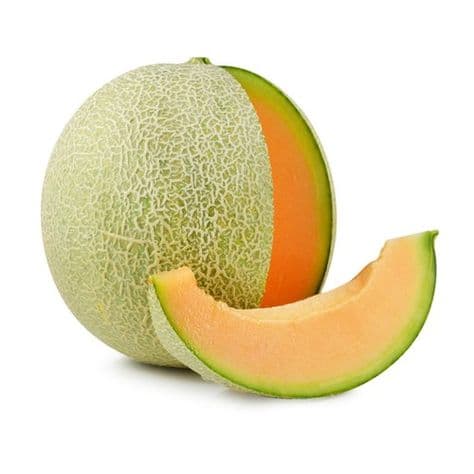
Sweet, fragrant and a real test of a UK summer. Melons need more heat than cucumbers or squash: a greenhouse or sunny polytunnel gives the most reliable results, though a warm, sheltered outdoor spot can work in a good year.

Vigorous and fragrant. Grow in containers to keep it in check: harvest often for a continuous supply of fresh leaves.

Edible flowers with a peppery kick. Thrives in poor soil and needs almost no attention.
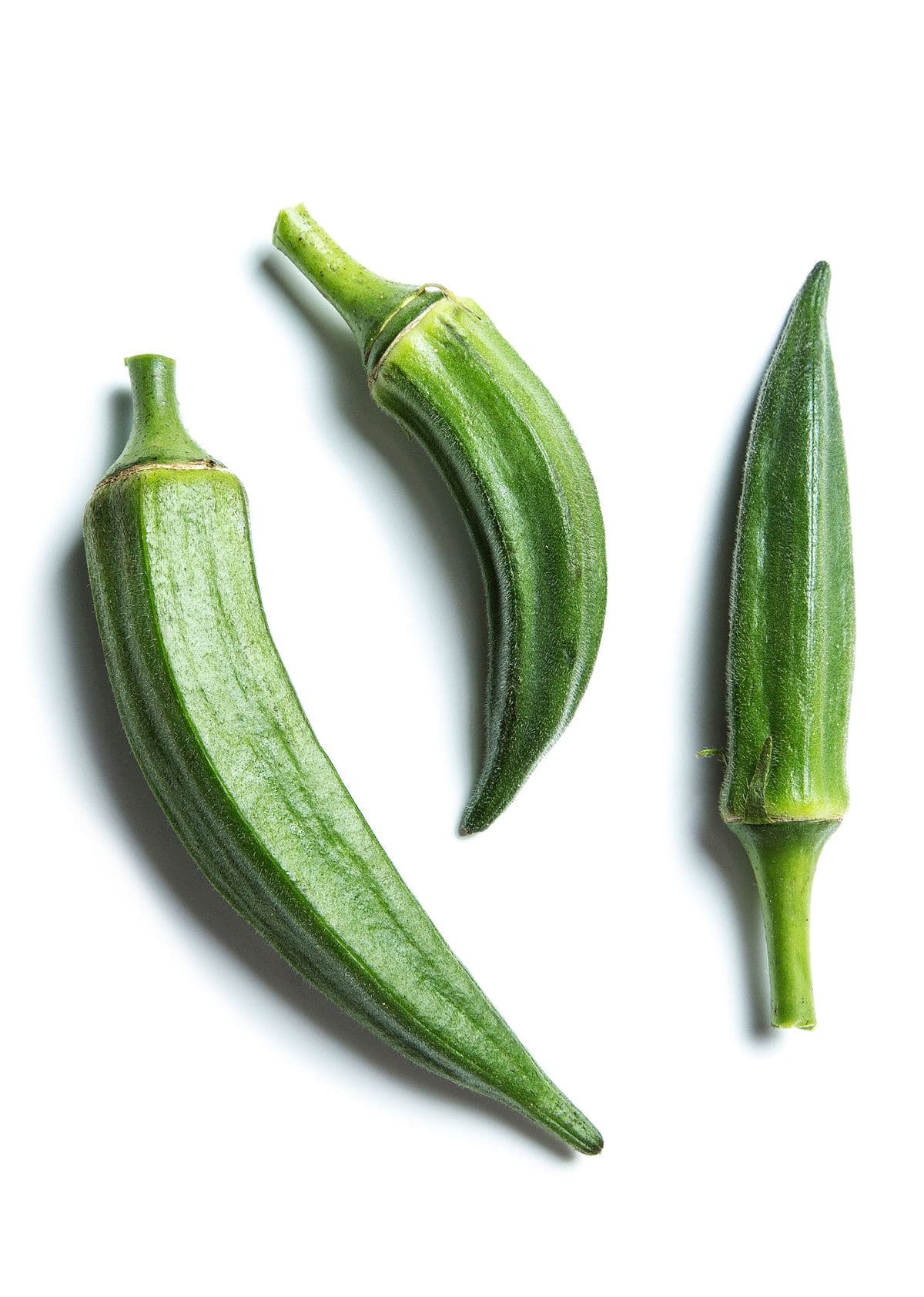
A warm-climate crop that needs a long, hot season. In the UK it performs best in a greenhouse or polytunnel. Start early, keep it consistently warm, and you'll be rewarded with tender pods from midsummer right through to the first frost.
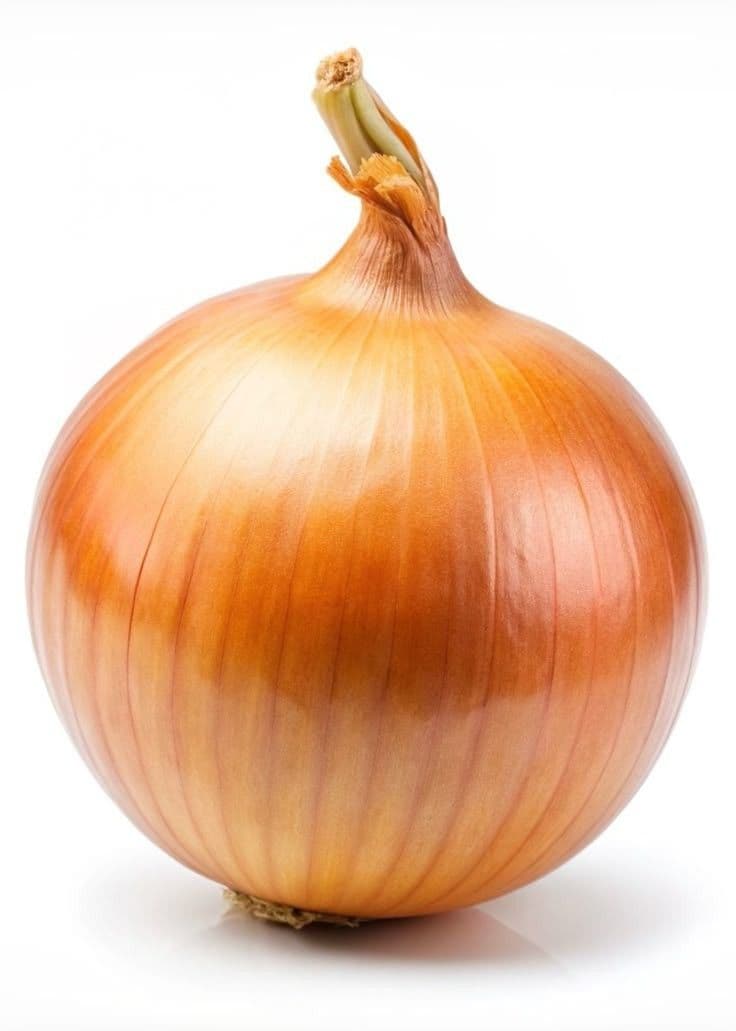
A kitchen essential. Grow from seed indoors or plant sets directly for a reliable midsummer harvest.
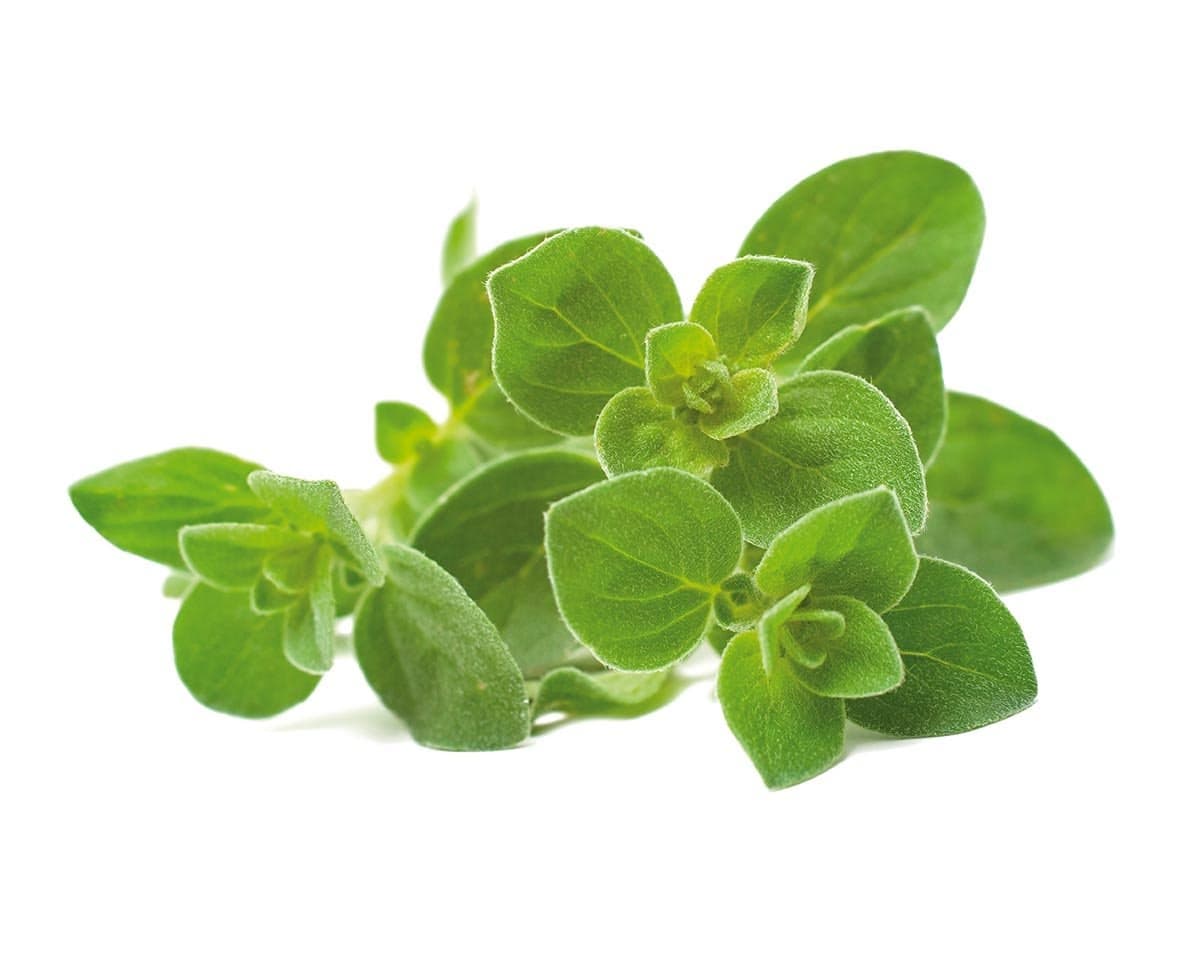
A tough Mediterranean perennial that rewards poor soil and full sun with the strongest flavour. Spreads readily once established, and its flowers are a genuine magnet for bees.
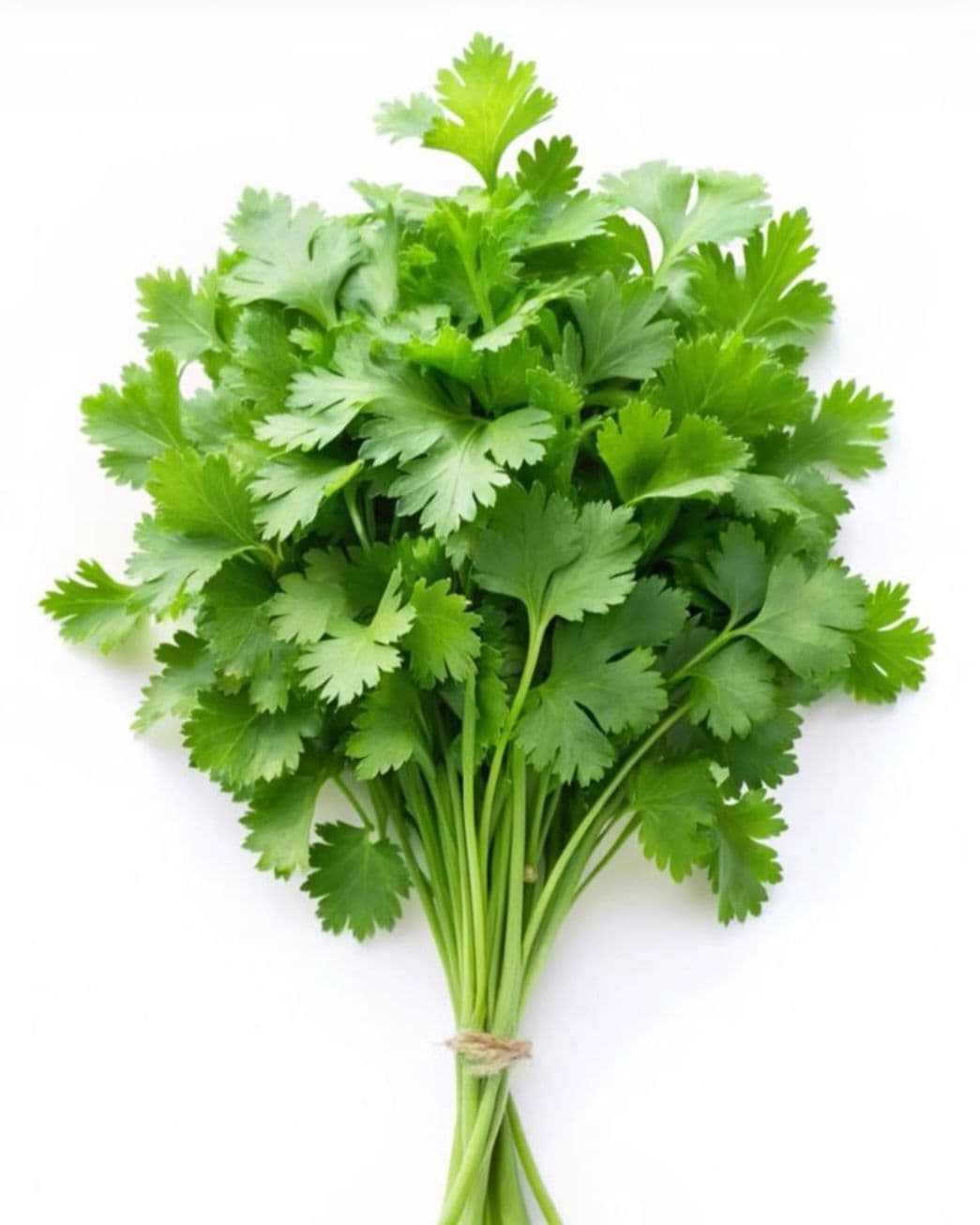
Slow to start but worth the wait. Sow early indoors for a long, productive harvest from late spring through autumn.
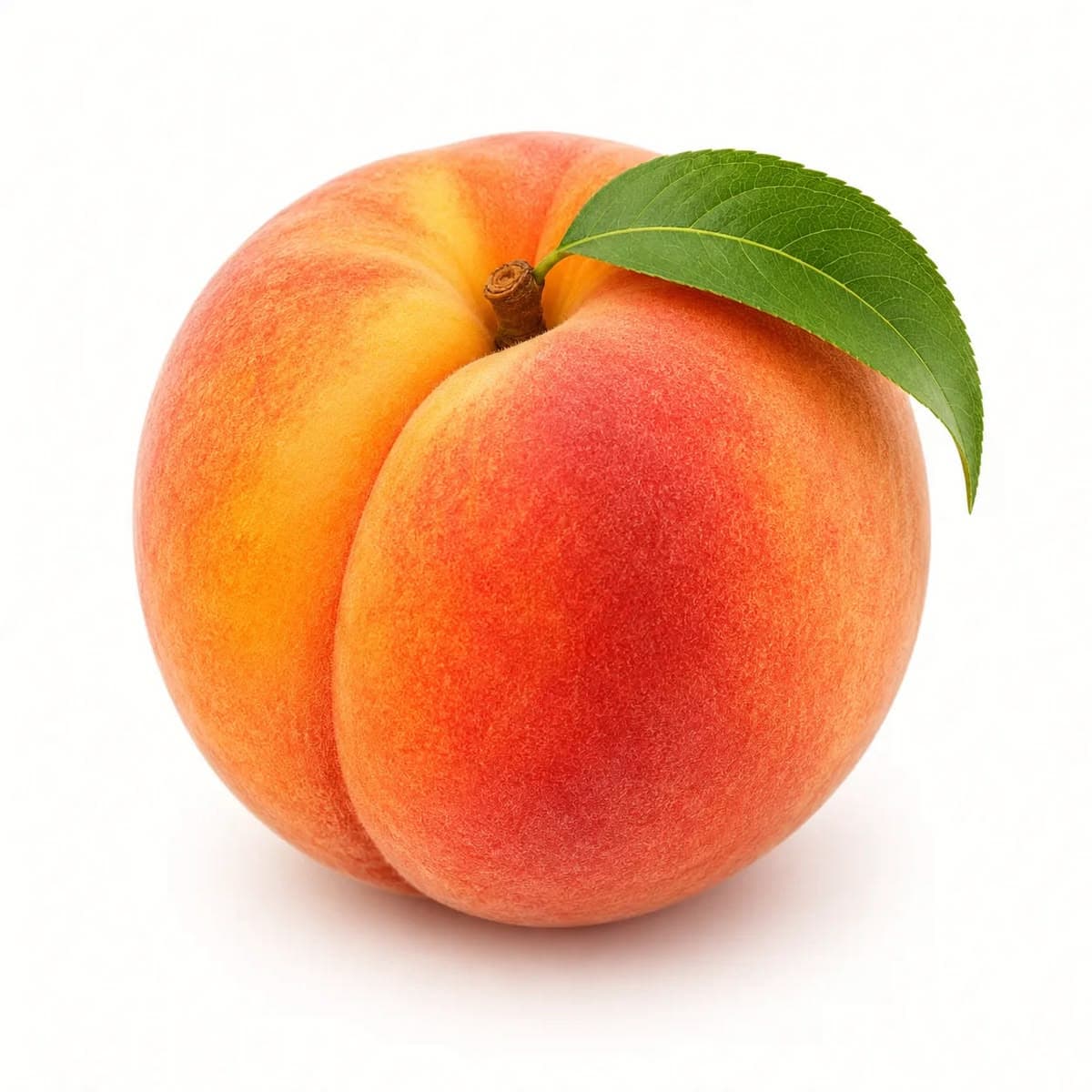
Genuinely marginal in the UK climate, and genuinely achievable anyway: a peach against a warm, sheltered wall with a bit of leaf-curl protection crops reliably more often than its reputation suggests.
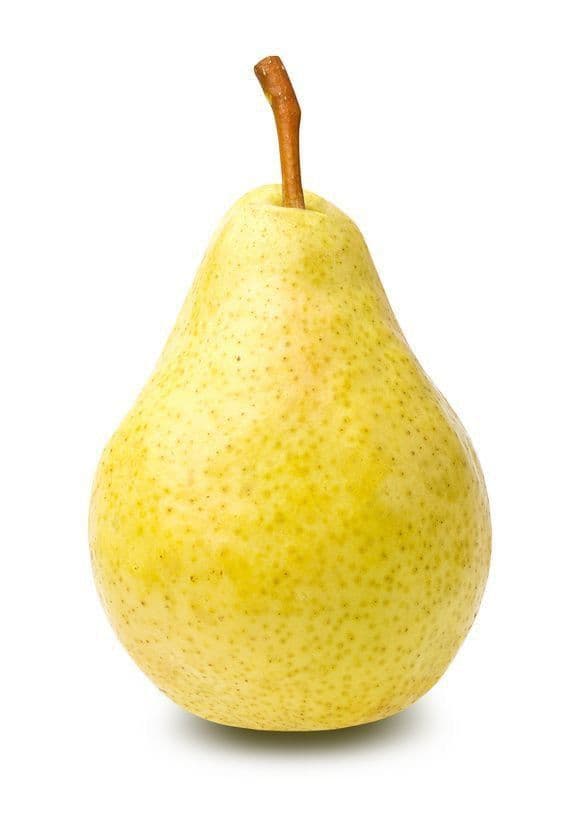
Slower and slightly fussier than an apple, but a well-placed pear against a warm wall in a UK garden is a genuinely reliable cropper once established.
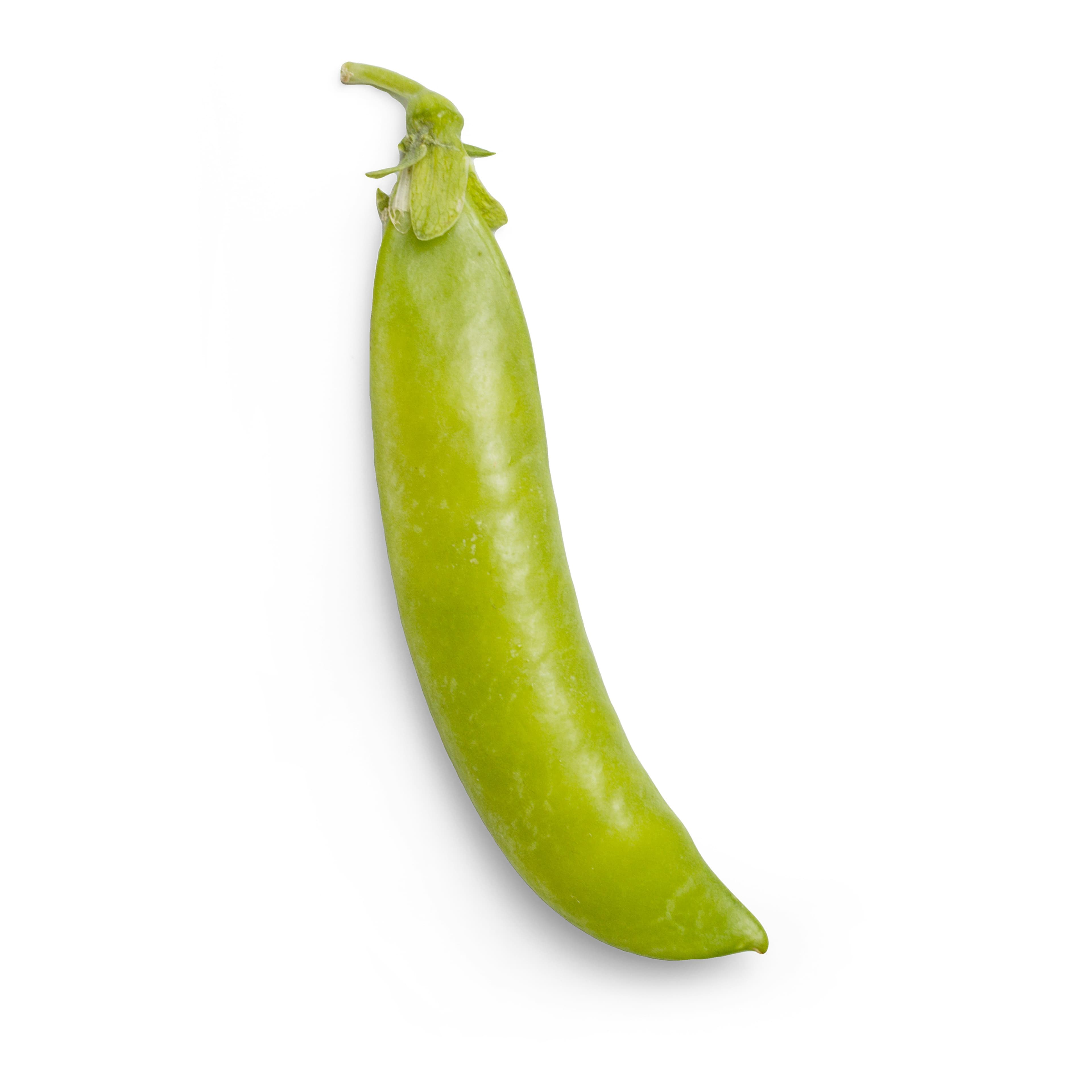
Sweet and tender straight from the pod. Easy to grow with the right support in place.
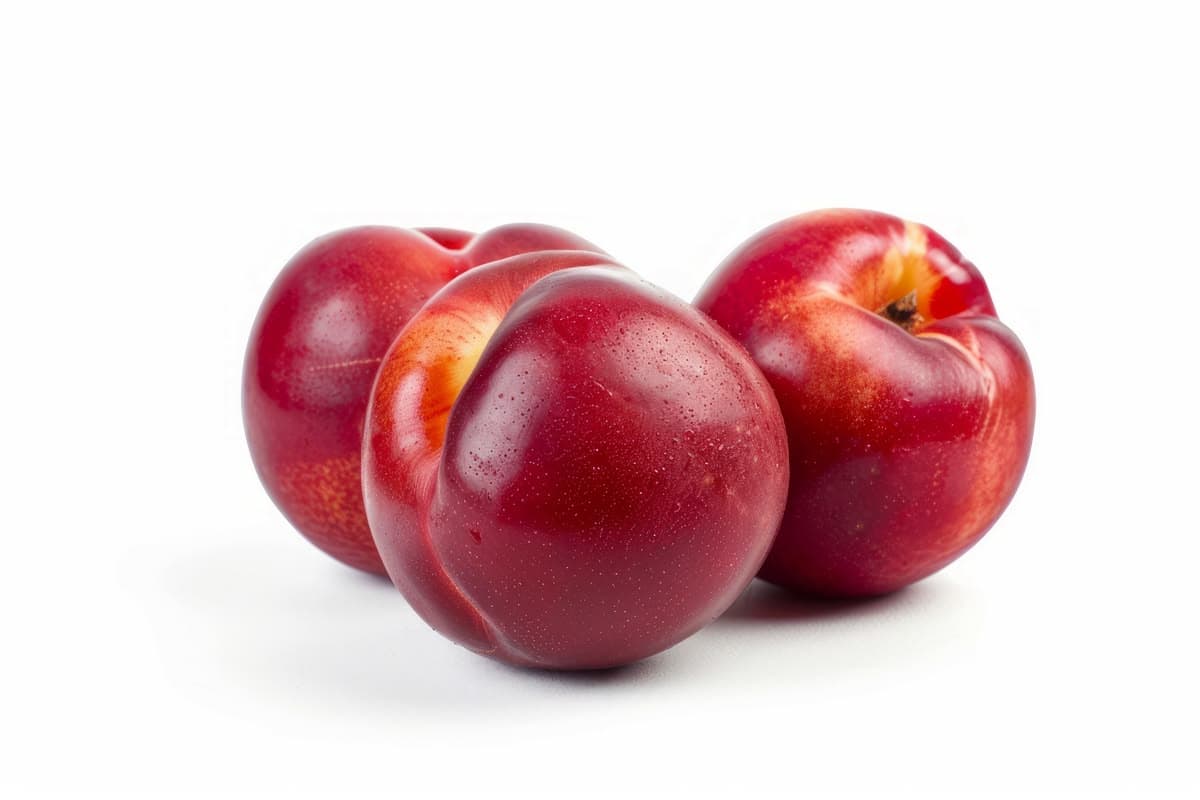
One of the most forgiving UK fruit trees: many varieties are self-fertile, crop young, and reward almost no attention beyond summer-only pruning.
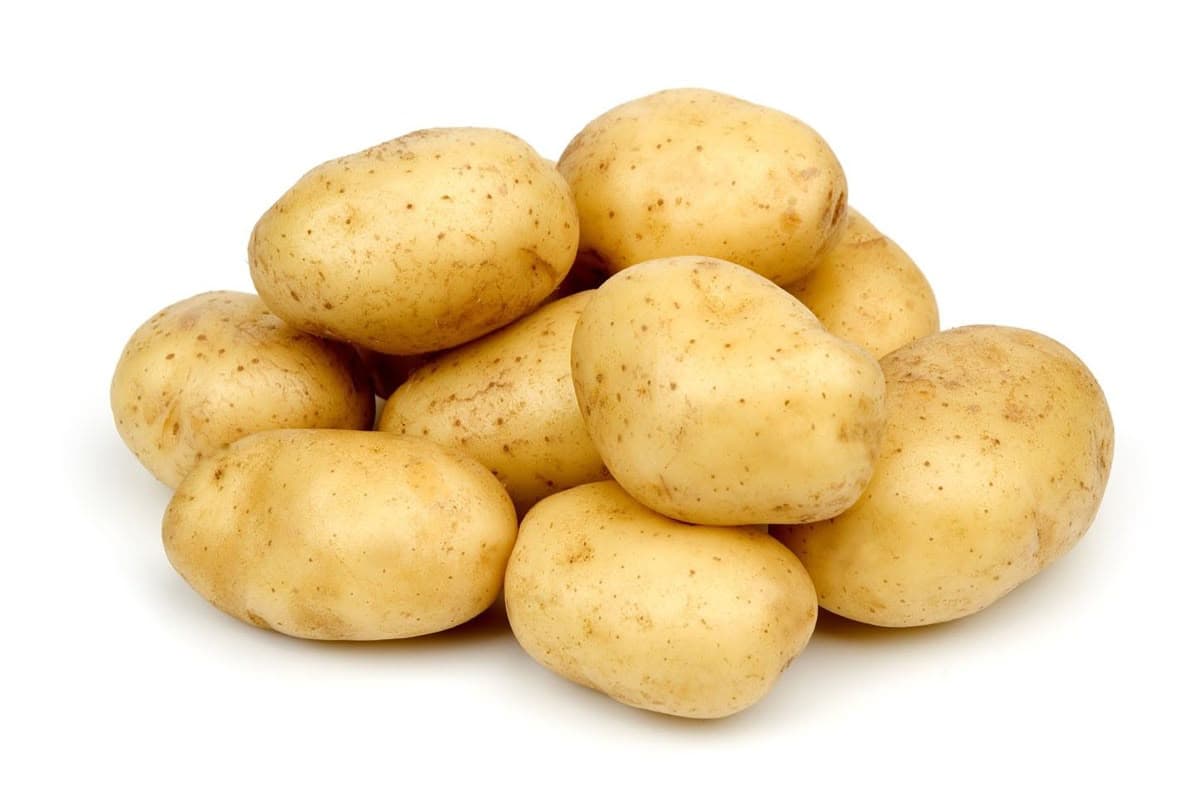
The most satisfying crop to harvest. Plant seed potatoes in spring, earth up through early summer, and dig the first earlies in June. Few things in the garden beat new potatoes straight from the ground.

One of the most rewarding soft fruits for the allotment. Plant summer-fruiting canes and you'll have a picking row that returns every year with minimal effort.
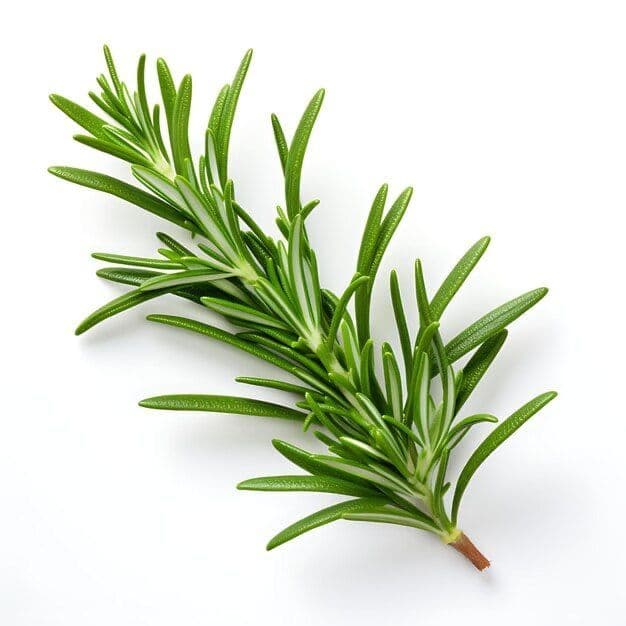
Hardy, drought-tolerant and evergreen. Once established, rosemary needs almost no attention and can be harvested year-round.
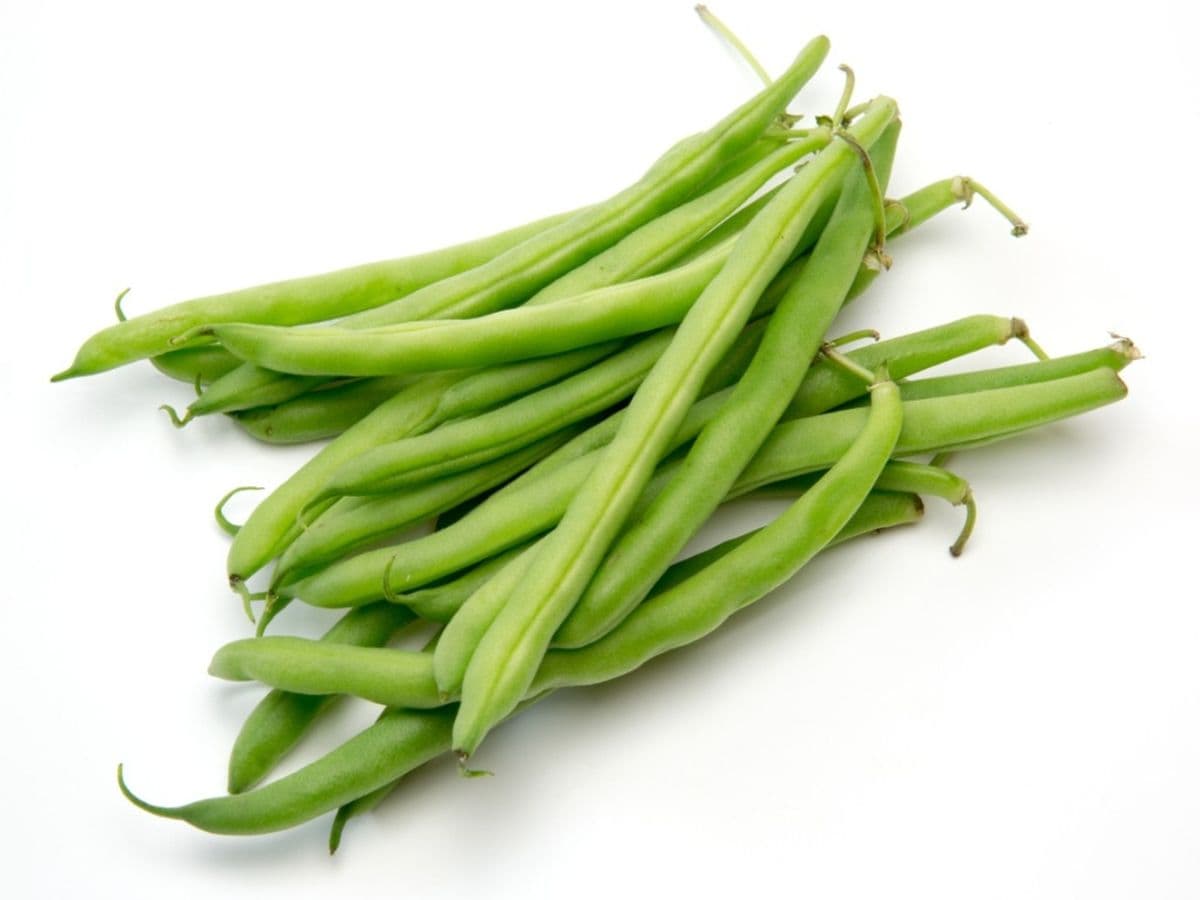
Prolific climbers that produce through the whole summer. A British garden staple with vivid red flowers.
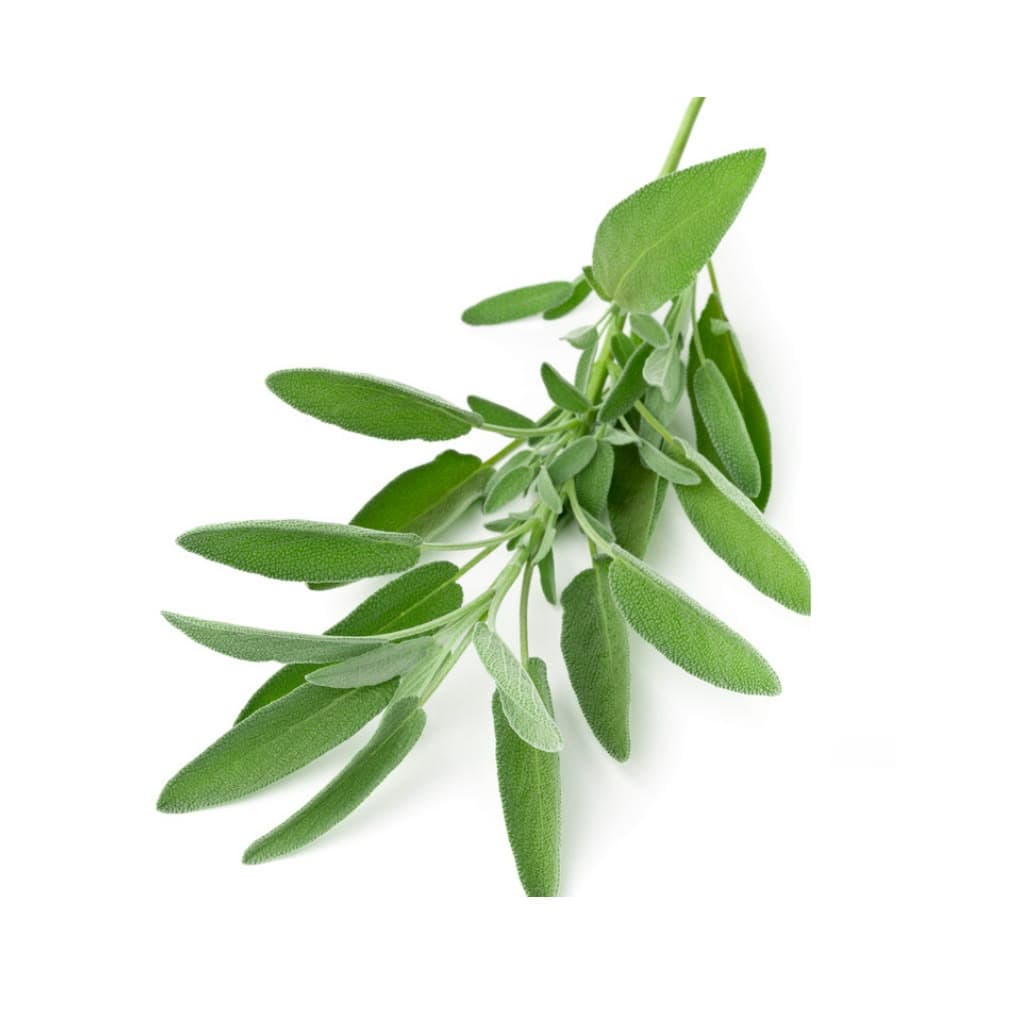
A perennial Mediterranean herb that earns its space year after year. Grows well in free-draining soil with full sun. The grey-green leaves carry the strongest flavour before the plant flowers.
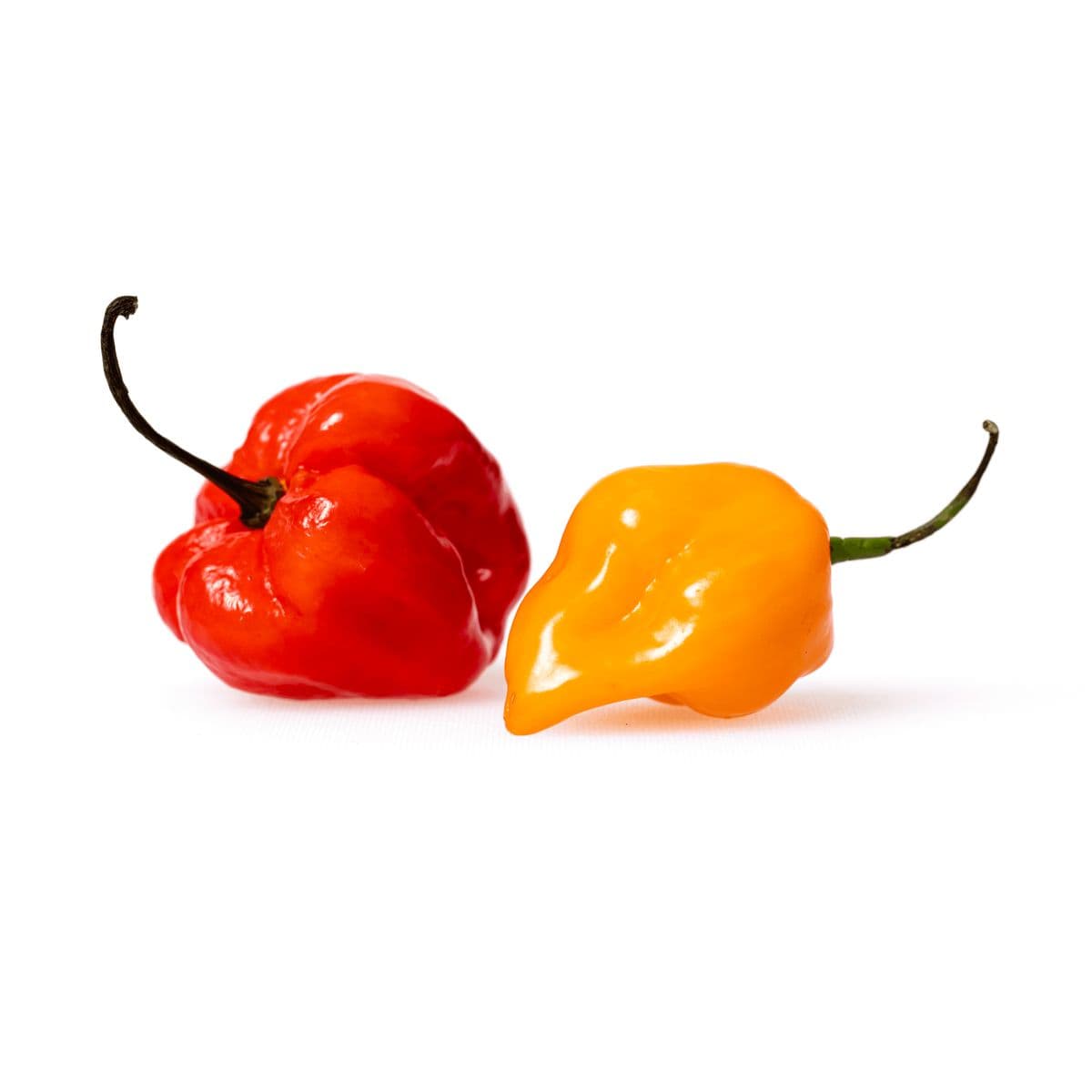
The patience test among peppers. Sow in January under real heat, wait a slow month for germination, and by late summer you'll have some of the hottest, most fragrant fruit you can grow.
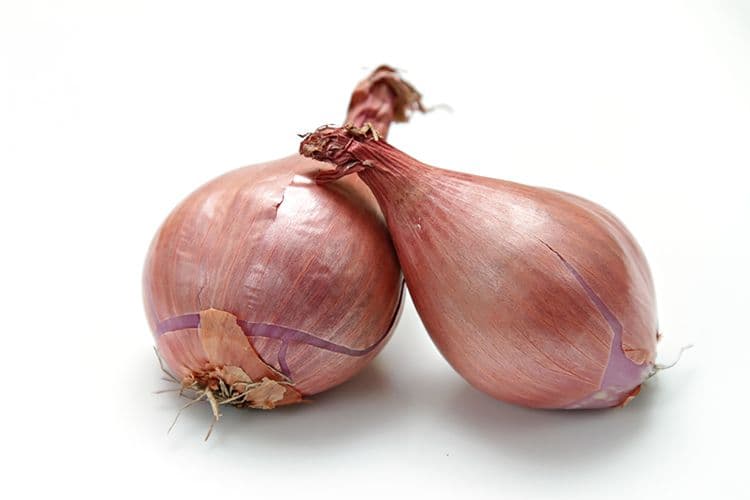
Sweet, mild and versatile in the kitchen. Each planted bulb multiplies into a cluster of 6–12 shallots by harvest time. Far easier to grow than onions and stores well through winter.
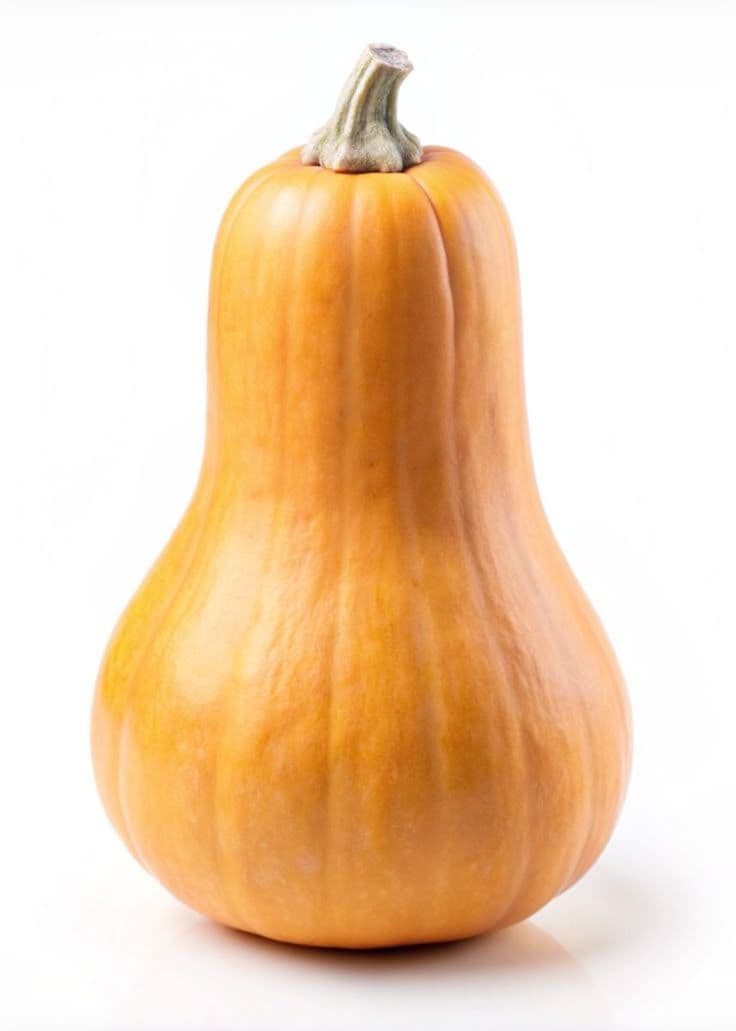
Hugely productive and available in a remarkable range of shapes and colours. Give squash rich soil, plenty of space and reliable water: it will fill a bed by harvest time and keep producing into autumn.

The most rewarding fruit to grow at home. Plant crowns in late summer or early spring for a bumper harvest the following June.

Bold and cheerful. A favourite with pollinators and a natural companion to vegetables.

Intensely fragrant climbing flowers. The more you pick, the more they bloom: a British garden essential.
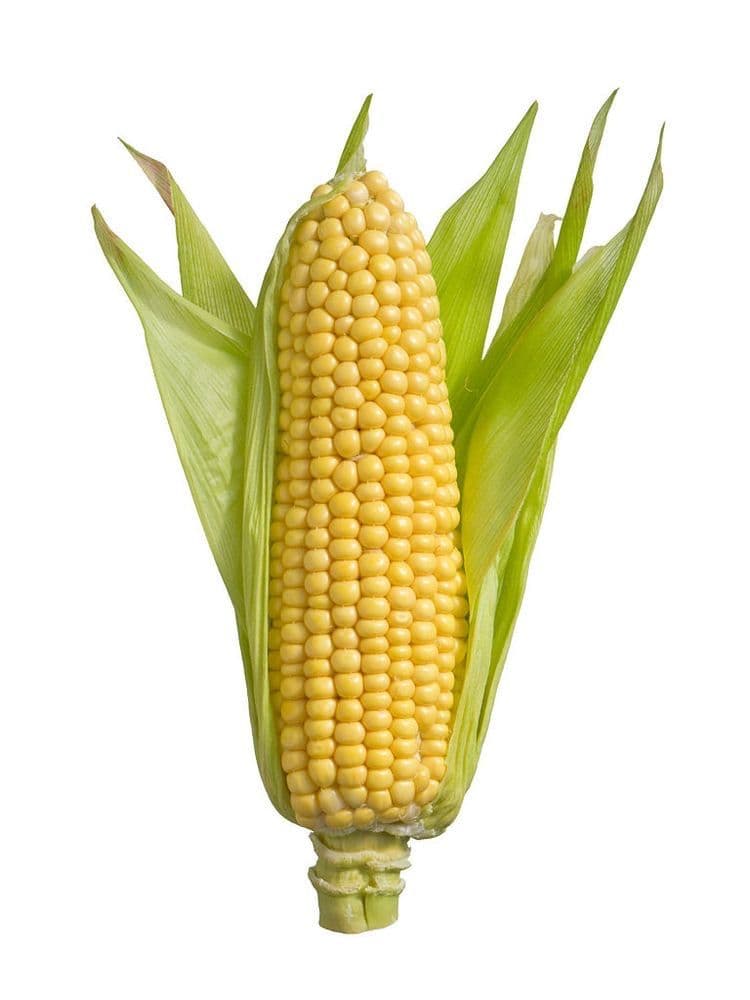
Hard to find truly fresh in the shops: growing your own is the only way to eat sweetcorn at its best. Sow in blocks, water well, and harvest within hours of picking for the full flavour.
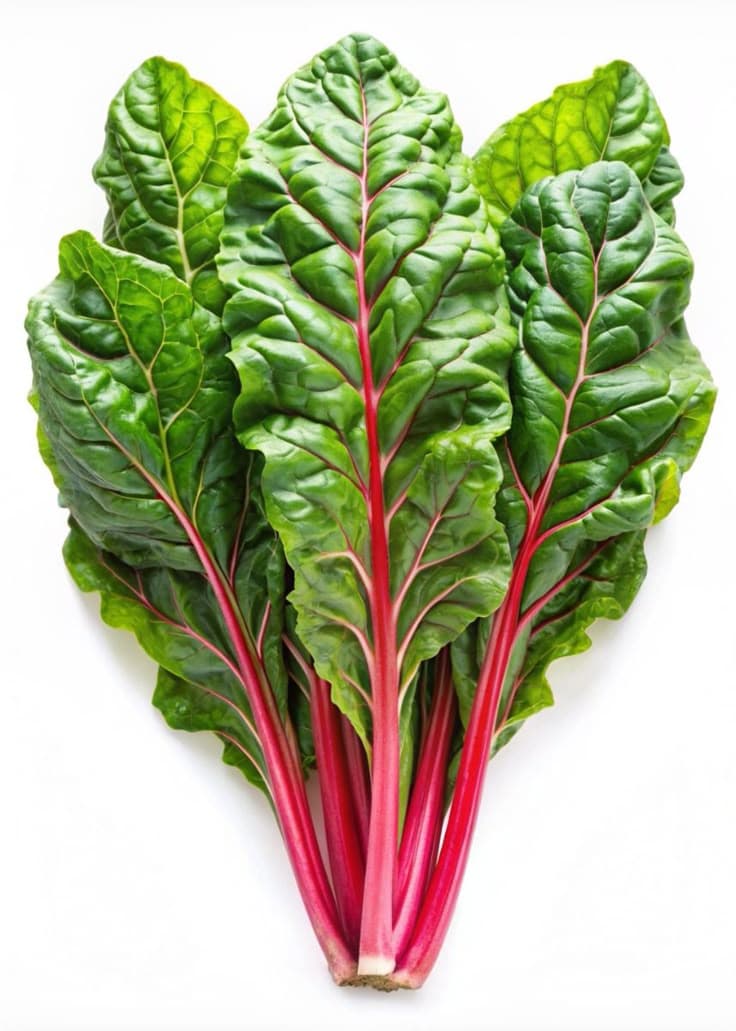
Colourful, cut-and-come-again leaves with striking stems. One of the most reliable crops for a long harvest.
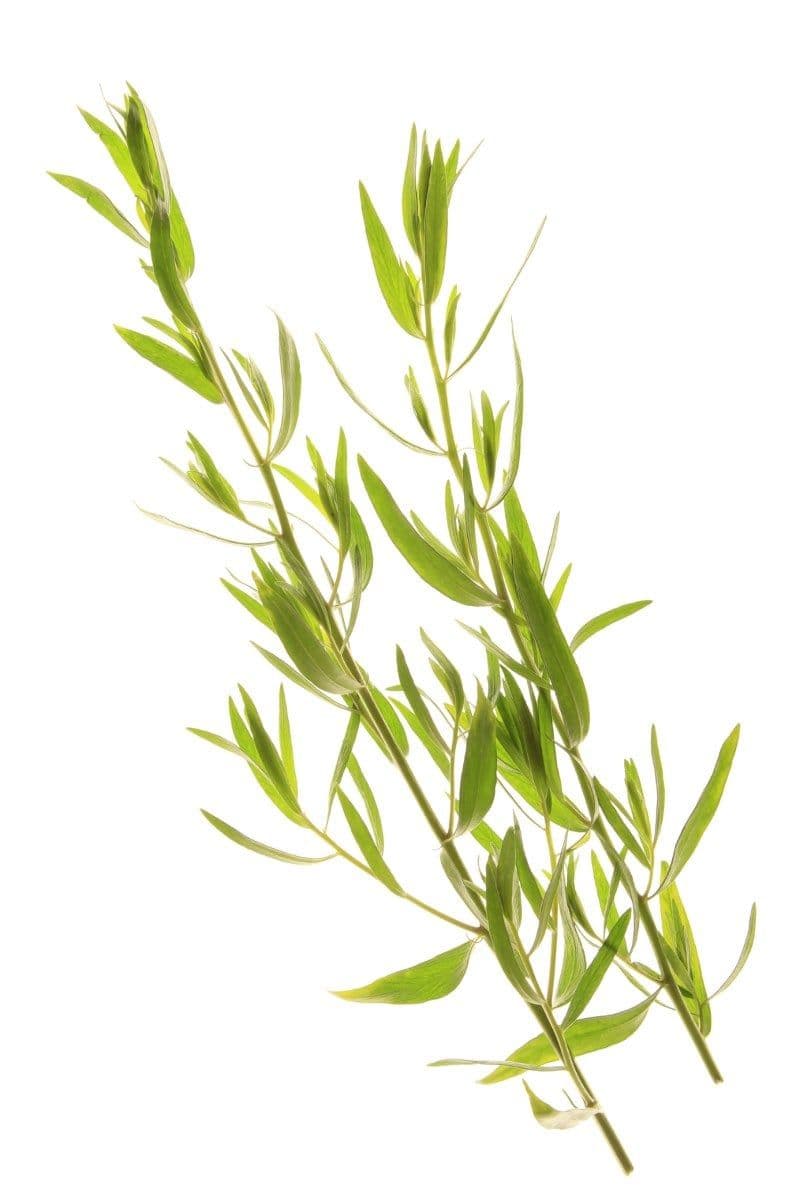
French tarragon is prized for its aniseed flavour, essential in classic French cooking. Not reliably hardy and rarely grown from seed in the UK, buy a named plant or divide an existing one.
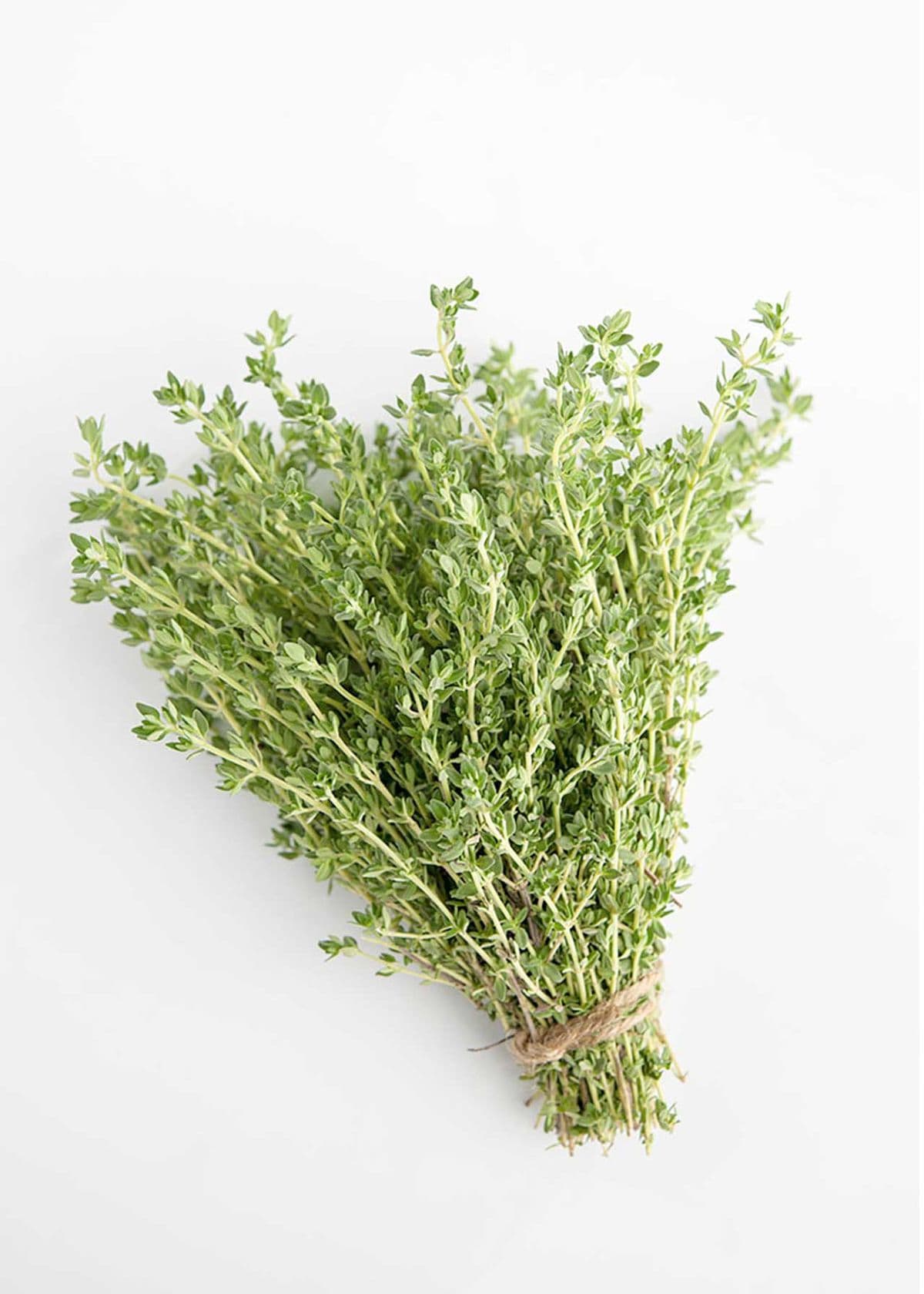
Hardy and intensely aromatic. Thrives in poor, dry soil with full sun: one of the easiest herbs to grow.
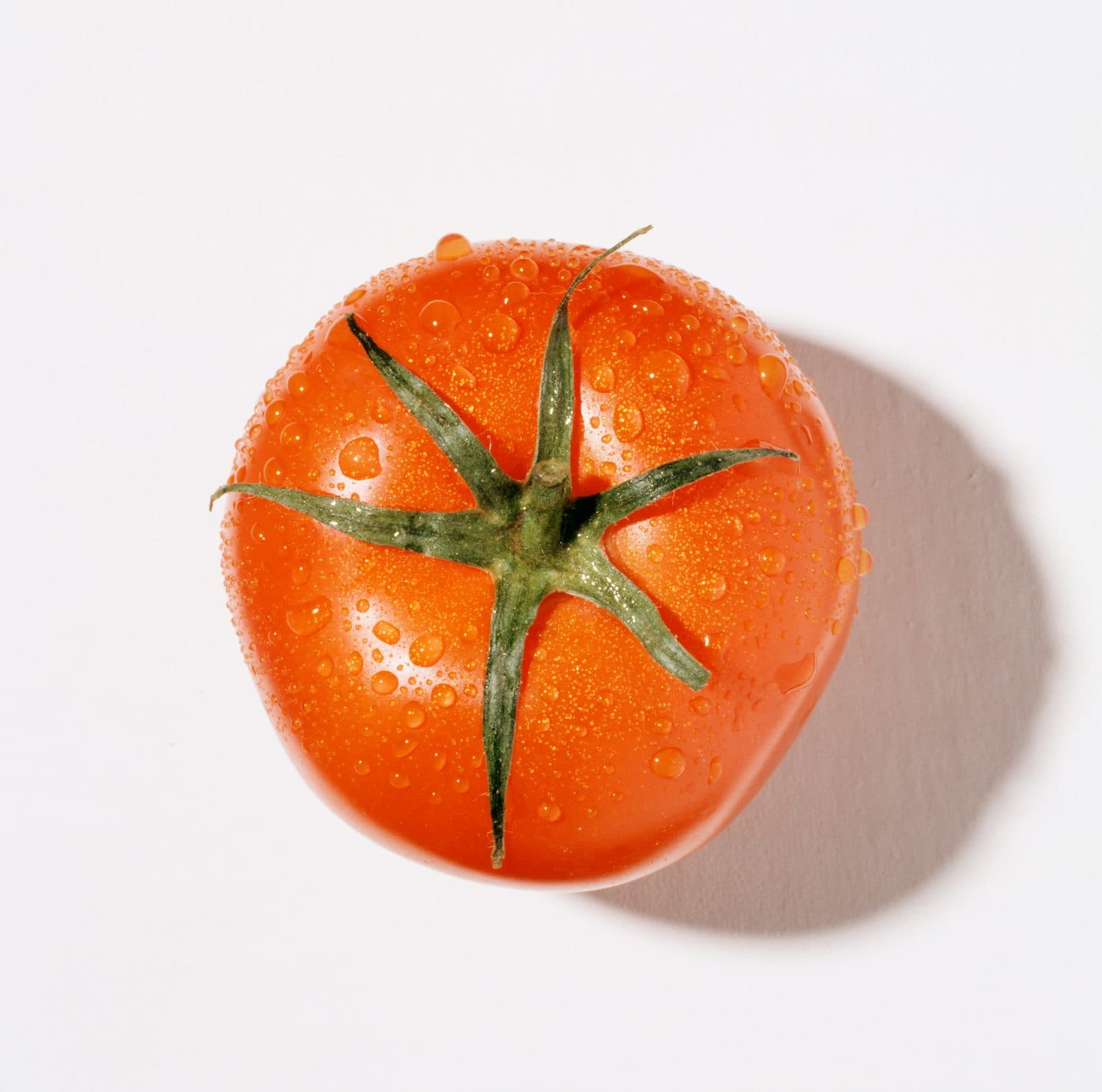
Rich, sun-ripened fruits packed with flavour. Start indoors for a long and rewarding season.
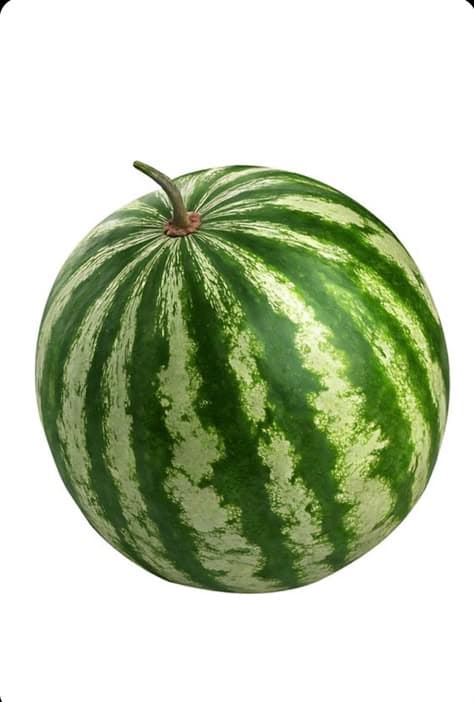
The most ambitious cucurbit to grow in a UK garden. Watermelon needs more heat and a longer season than melon or cucumber, so success depends on a warm greenhouse, a compact variety, and a good summer, but there are few more satisfying harvests when it comes off.
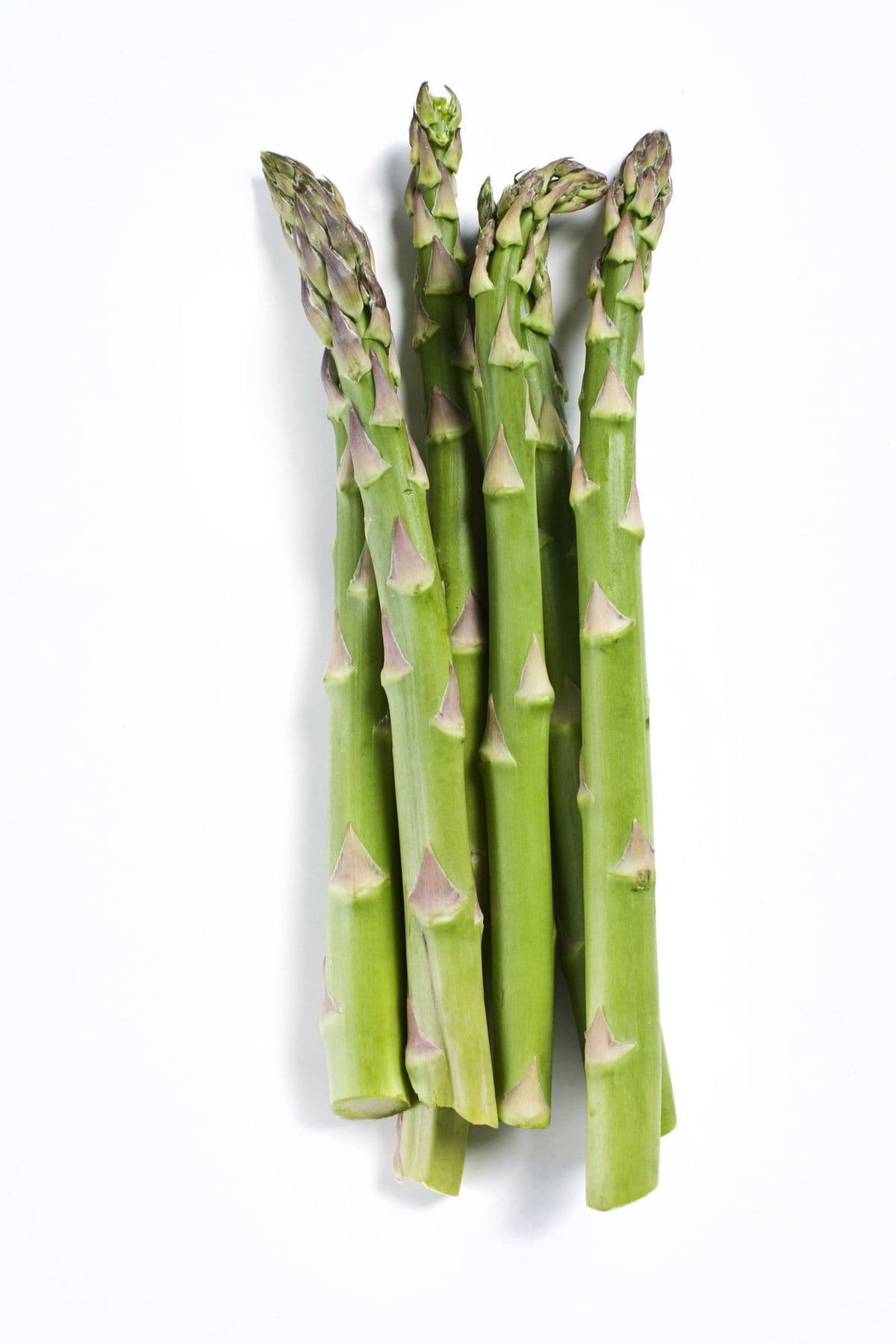
A genuine test of patience that pays off for twenty years or more. Plant crowns once, wait two full seasons, then cut fresh spears every spring after.
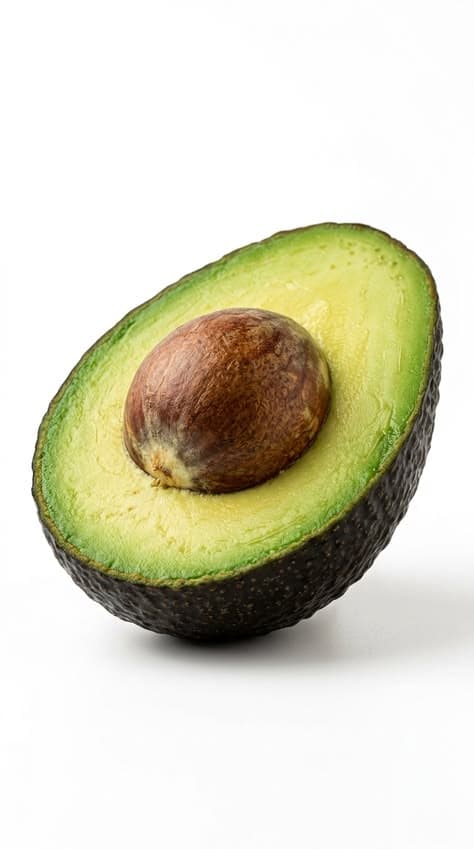
Grown from a leftover stone on a sunny windowsill, avocado makes a striking, fast-growing houseplant. It's an act of patience rather than a food crop; in the UK it will not flower or fruit indoors, but the glossy foliage and novelty of growing your own tree from scratch make it a rewarding project.
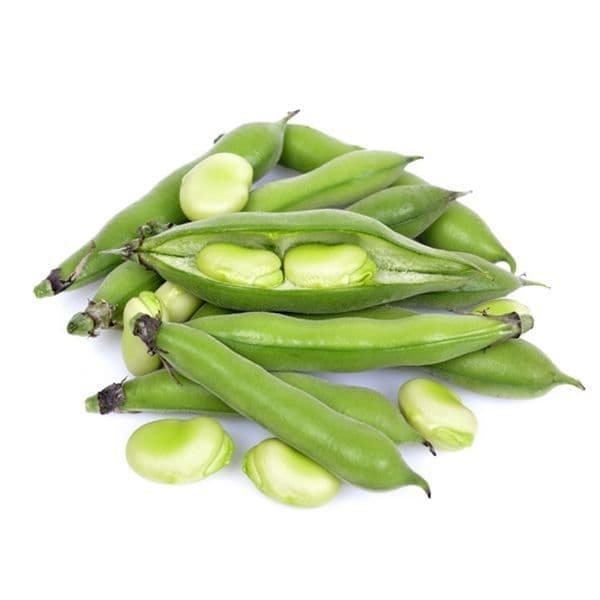
A British growing tradition. Sow in autumn for an early crop or in late winter for summer. Blackfly is easily managed: don't let it put you off.
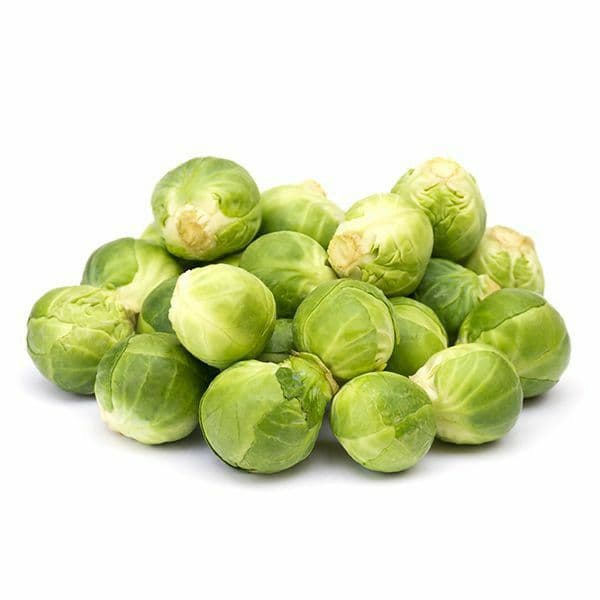
A long-season crop for patient growers. Sow in spring and the reward is a stem of sprouts through the coldest months, sweeter after the first frost.
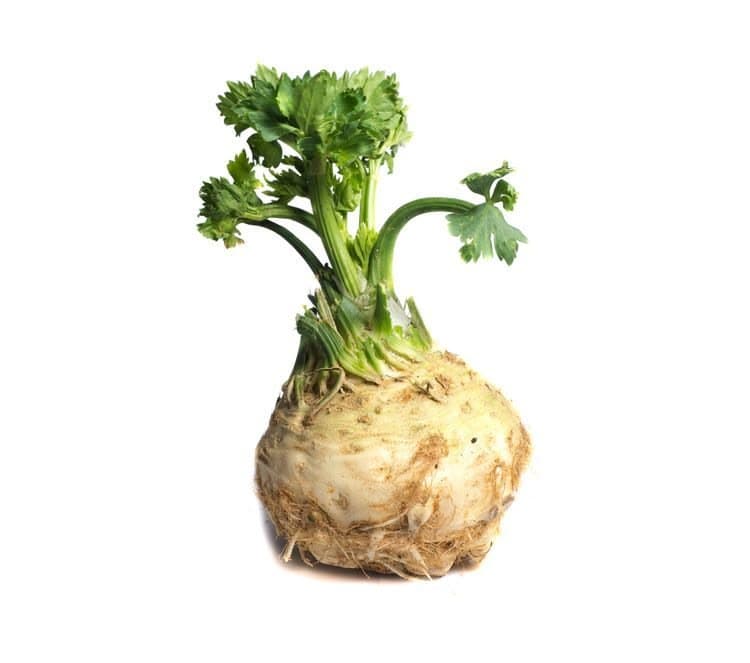
A demanding but distinctive root, closer in flavour to celery than it looks. Sow early with real patience and it rewards you with knobbly roots that store right through winter.
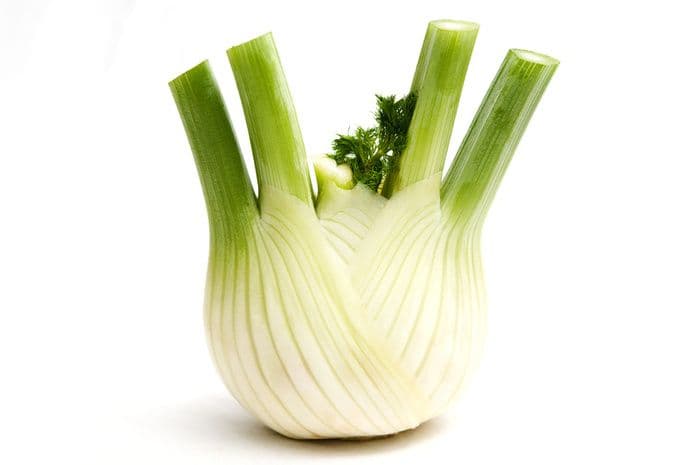
A UK garden challenge worth taking on. Sow late to dodge bolting and you'll get crisp, aniseed-sweet bulbs from a crop most gardeners never quite crack.

A genuine but niche UK project: ginger needs sustained warmth above 15°C for its whole eight to ten month growing season, so it only works in a heated greenhouse, conservatory, or a committed sunny windowsill, never outdoors. Plant a fresh rhizome piece in spring and dig your own knobbly, intensely flavoured ginger by late autumn.
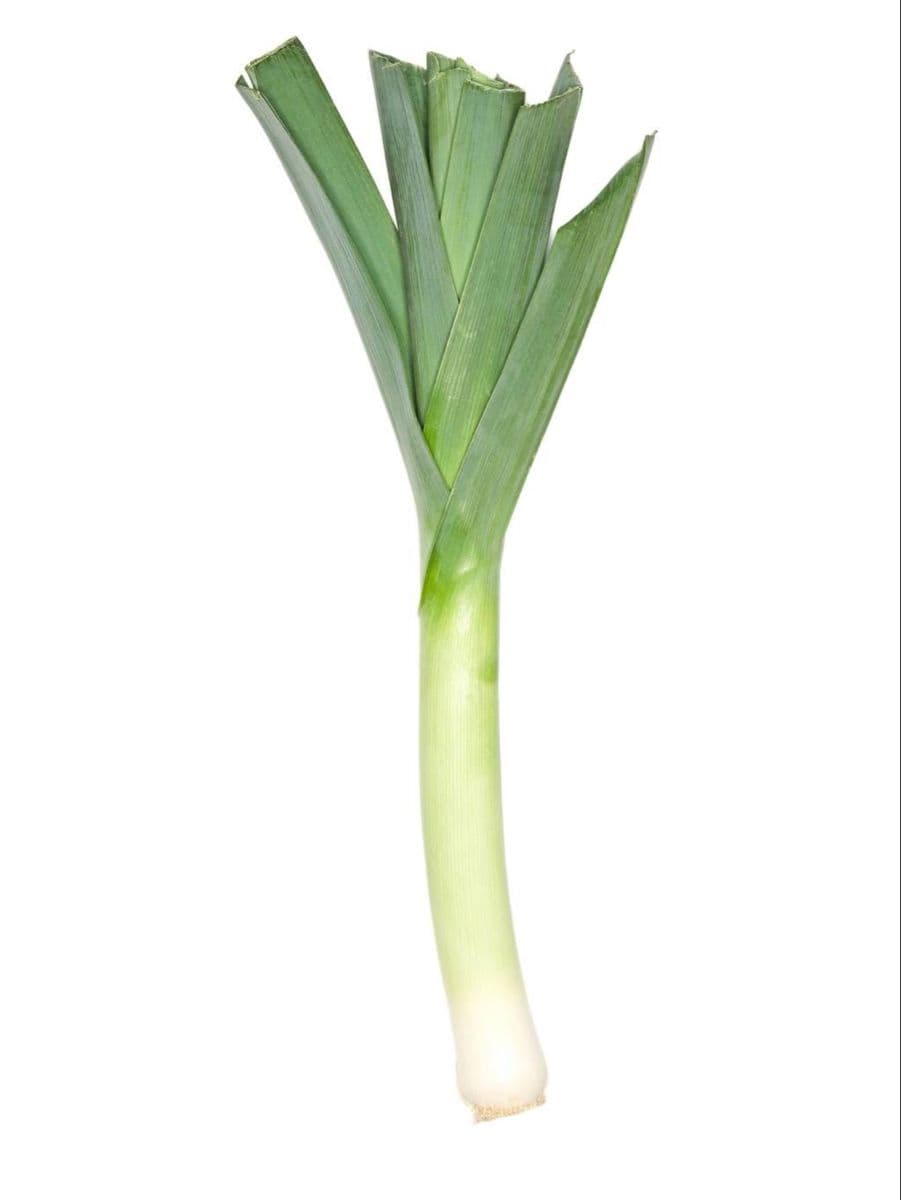
A British winter staple with a long, generous harvest window. Sow early, transplant in summer and harvest through the coldest months when the garden is bare.

Not a standard UK outdoor fruit tree: a lemon here lives in a pot, spends summer outside and winter under cover, and rewards that seasonal back-and-forth with fruit most UK gardens couldn't otherwise grow.
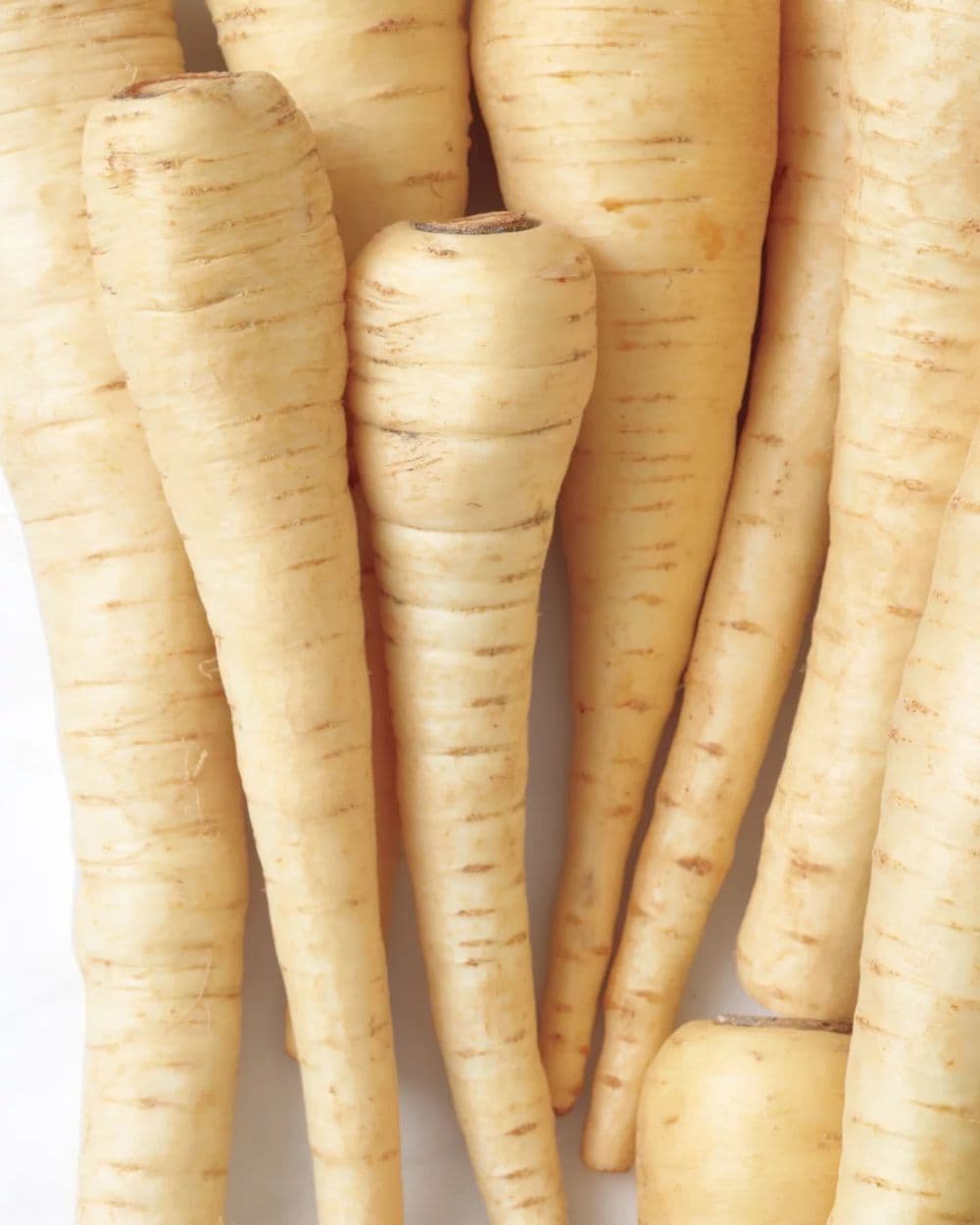
The sweetest root vegetable in the winter garden. Parsnips are slow to mature but reward patience with deep, honeyed flavour: best harvested after the first frosts of autumn.
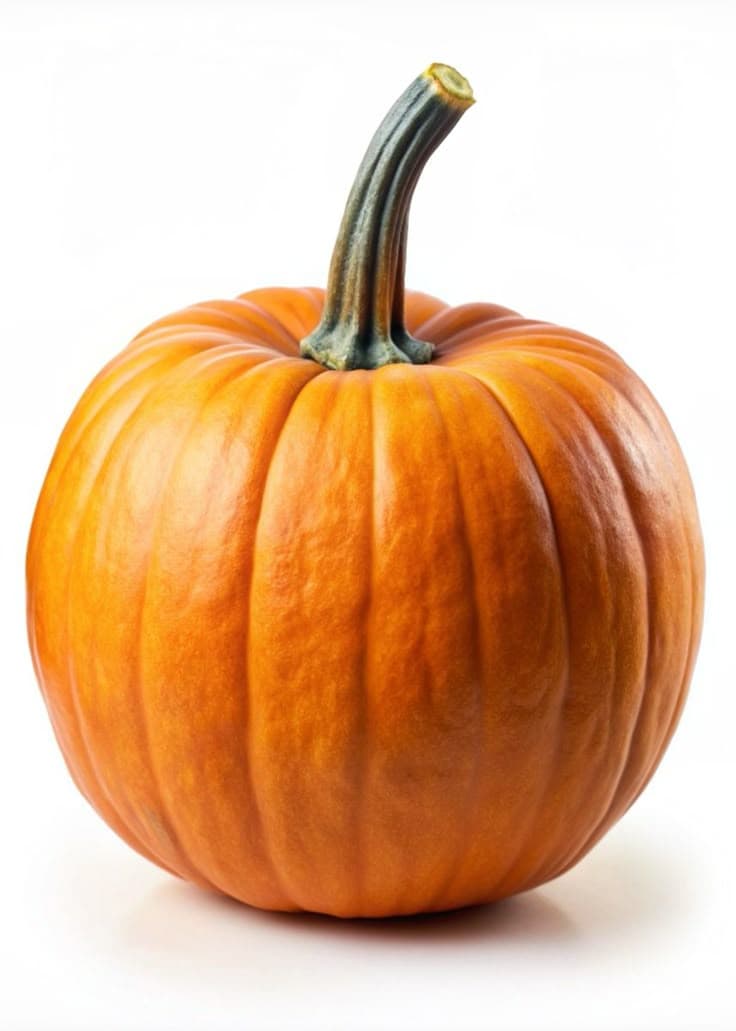
Dramatic, productive and deeply seasonal. Give them rich soil, plenty of space and reliable water: they'll fill a bed by harvest time.
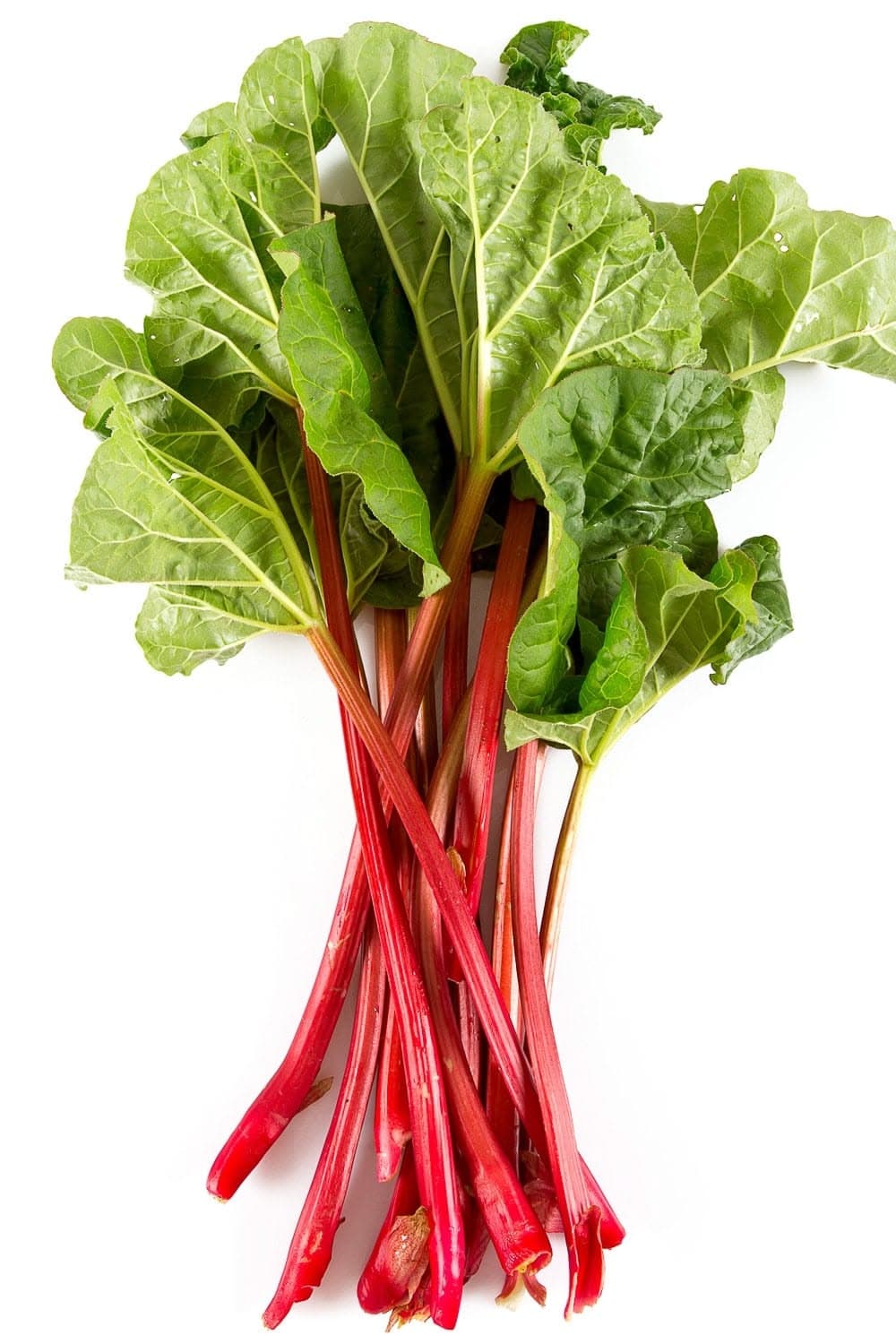
A UK allotment icon that asks for almost nothing in return. Plant crowns once and pull tart pink stalks for decades to come.
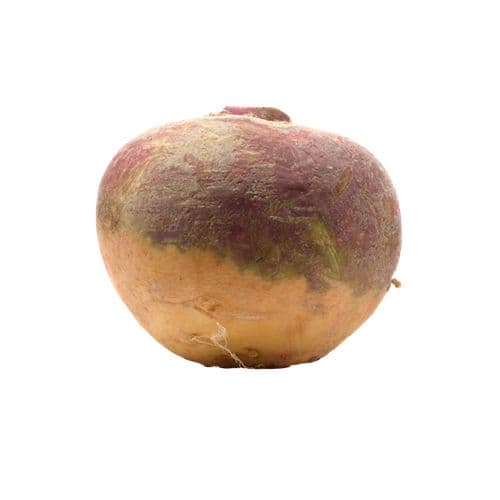
A tough, undemanding root that shrugs off a UK winter. Sow once in early summer and lift sweet, earthy roots from autumn right through to spring.
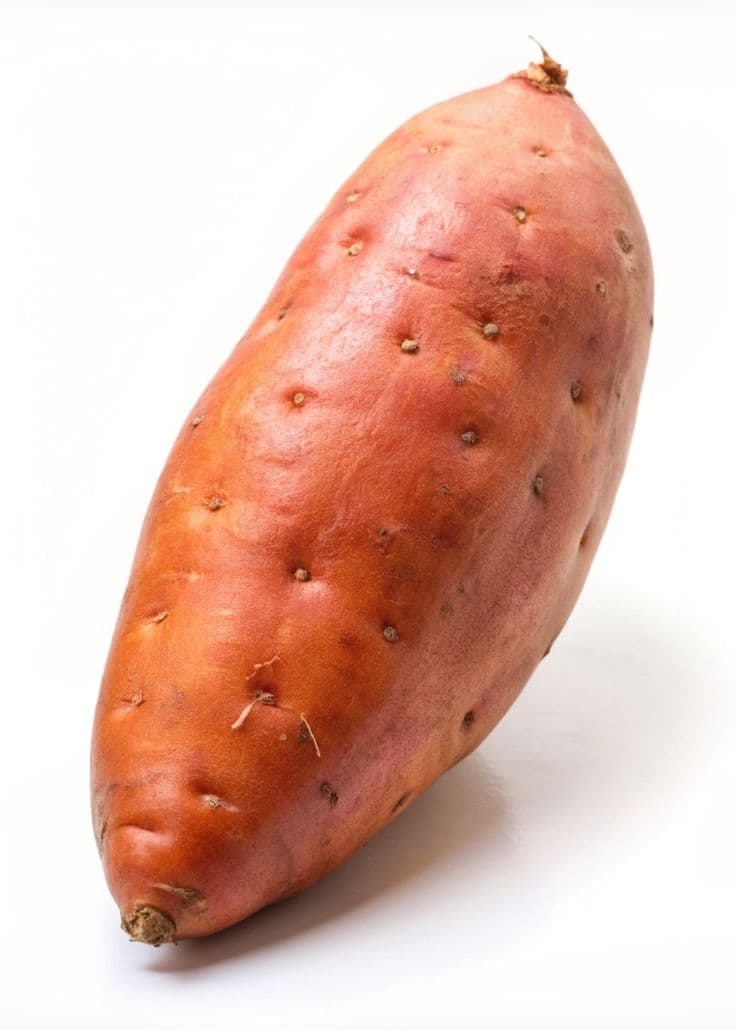
A vigorous, sprawling vine that needs a genuine UK summer to reward you: warmed soil, full sun and steady watering, in exchange for your own harvest of tubers by early autumn. Choose a UK-bred variety like Beauregard rather than a supermarket root, and don't expect it to look after itself: this is a thirsty crop, not a drought-tolerant one.
Free Monthly Newsletter
Each month: what to sow now, what to move on, and organic growing tips matched to UK conditions.