Pelham Gardens
Pelham GardensGrow What Matters

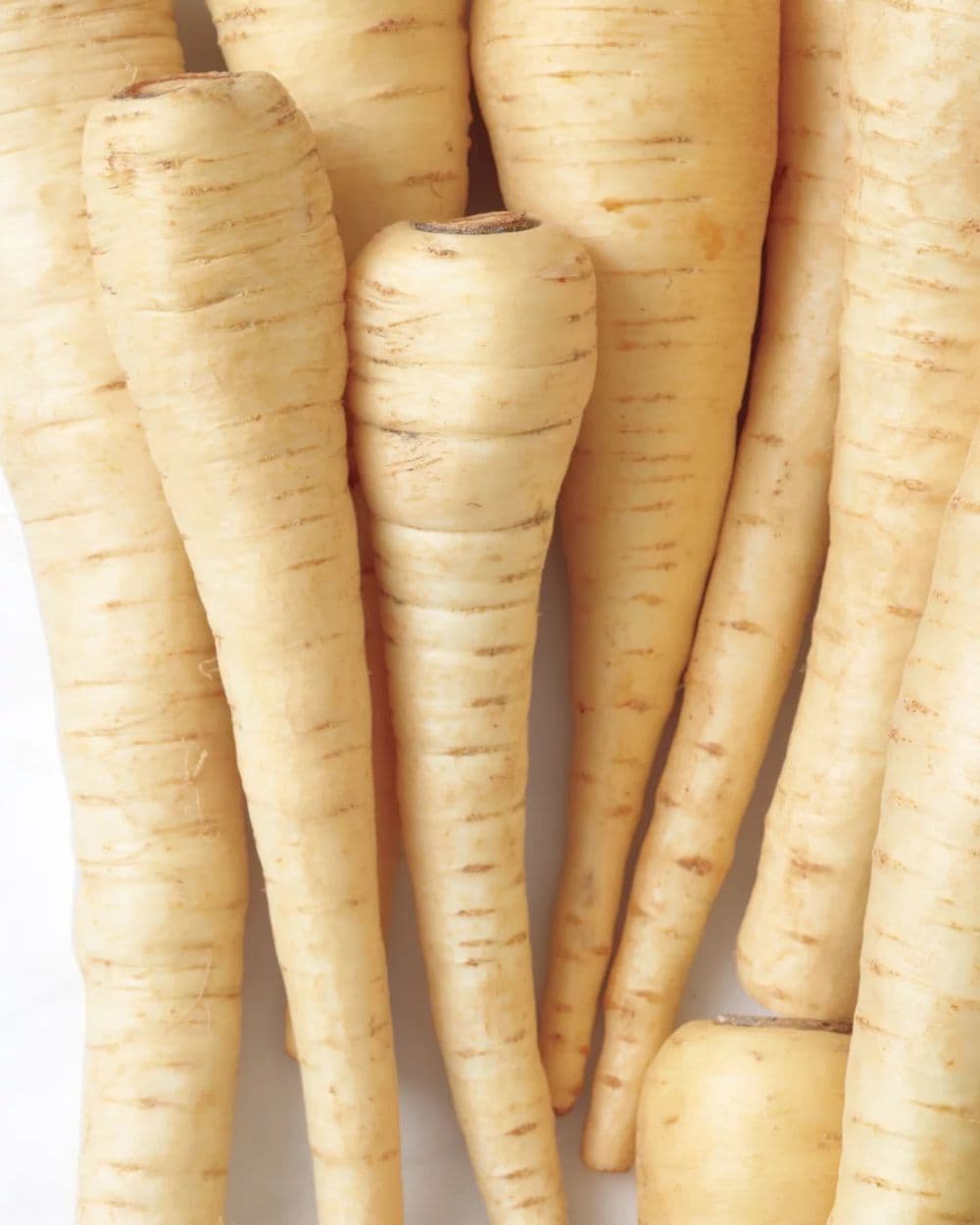
Parsnip

The sweetest root vegetable in the winter garden. Parsnips are slow to mature but reward patience with deep, honeyed flavour — best harvested after the first frosts of autumn.

Waiting this month
First sprouts in 21–28 days

Sow

Feb – May

Plant Out

Harvest

Jan – Dec

Location

Outdoors

Difficulty

Parsnip

Now is a good time to sow Parsnip. Follow the sowing guide below.

Growing Calendar

Jan
Feb
Mar
Apr
May
Jun
Jul
Aug
Sep
Oct
Nov
Dec
Sow
Transplant
Harvest

This month: May

Log to journal

Start seeds indoors this week

  • Fill tray with compost
  • Sow seeds evenly
  • Cover lightly with soil
  • Water gently
  • Place in warm light spot

Sowing Guide

What you'd find on the seed packet

Sow Depth

1cm

Spacing

15cm

Germination

21–28days

Thinning

Thin to 15cm apart; parsnips resent transplanting — direct sow only

Grower's Note

Always use fresh seed — parsnip viability drops dramatically after one year. Sow 2–3 seeds per station and thin to the strongest. Roots left in the ground improve after frost.

Growing Stages

Approximate weeks from sowing to harvest

Sprouting

3wks

Seeds germinate and first leaves emerge. Keep warm and moist.

Establishing

10wks

Root system develops and plant builds structure. Pot on if needed.

Maturing

16wks

Plant reaches full size and begins producing. Harvest at peak.

Total~29 weeksfrom seed to harvest

Companion Plants

Plant these nearby for natural pest control, better yields, and healthier soil.

Climate Control

Today

C

Humidity

%

Water

Every 3–4 days

Sunlight

6+ hours direct sun

Watch Out For

Germination is slow and patchy

use fresh seed every year and be patient; sow thickly and thin later rather than relying on sparse sowings

Canker causes brown rot at the crown

choose canker-resistant varieties and ensure good drainage to reduce the risk

Carrot fly attacks the roots

cover with fine insect mesh in late March to May and again in August when adults are active

Pests & Problems

Full guide →

Carrot Fly

Reddish-tinged foliage

May–Oct

Parsnip Canker

Orange-brown rot at the crown and shoulders of roots

Oct–Feb

Aphids

Minor colonies on foliage

Jun–Aug

What You'll Need

Equipment for growing parsnip

Modular Seed Tray

96-cell for precision sowing

Fine Rose Watering Can

Gentle shower for seedlings

Bamboo Canes

Pack of 20 × 120cm

Some links are affiliate links — we may earn a small commission at no cost to you.

Grown Organically

Every method in this guide works with natural systems — no synthetic chemicals, no shortcuts.

Read our approach

Common Questions

About growing Parsnip in the UK

When should I sow parsnips in the UK?

Sow parsnips from February to April, directly where they are to grow — they dislike transplanting. Parsnips need a long season (up to 120 days) so early sowing is important. Germination is slow (3–4 weeks) and erratic; fresh seed is essential.

Why are my parsnips small?

Small parsnips are usually caused by late sowing, overcrowding (thin to 15cm), stony soil restricting root growth, or a dry summer. Always use fresh seed as parsnip seed loses viability quickly. Deeply dug, stone-free soil produces the longest, fullest roots.

Do parsnips taste better after frost?

Yes — frost converts starches in parsnip roots to sugars, giving the characteristic sweet, nutty flavour that parsnips are prized for. Leave roots in the ground until after the first hard frosts. Parsnips are at their best from November through February.

How do I prevent canker on parsnips?

Parsnip canker (brown, rotting patches on the shoulders) is caused by the fungal disease Itersonilia. Grow canker-resistant varieties (Gladiator, Javelin), avoid compacted or waterlogged soil, and do not sow too early in cold, wet conditions.

Member guides

There's more to growing Parsnip than this guide covers.

Seasonal reminders, deeper guides, and the small adjustments that change a harvest.

See what's included

UK Gardening Guide Newsletter

Get Monthly UK
Gardening Tips

Seasonal sowing reminders, what to plant now, and practical growing advice — delivered free every month.