Grow with Kids
The best thing you can teach a child is how to grow food
Gardening with children builds confidence, curiosity and a connection to food that lasts a lifetime. This guide shows you where to start: with the right crops, the right activities for each age, and the right approach to make it genuinely enjoyable.
Browse kid-friendly crops on Grow GuideWhy grow with children?
Builds patience and responsibility
Tending a plant from seed to harvest teaches children that effort over time produces results: a lesson that lasts far beyond the garden.
Connects food to the source
Children who grow their own food are far more likely to eat vegetables they would refuse at the dinner table. The pride of harvesting something yourself changes everything.
Gets them outside and moving
Digging, watering, weeding and harvesting are all physical. Gardening gives children purposeful time outdoors without it feeling like exercise.
Supports science and curiosity
Germination, photosynthesis, soil ecology: the garden is a hands-on science lab. Questions come naturally when children are watching things grow.




What to do at each age
Every age group can be involved. The key is matching the task to what they can actually manage.
Ages 2–4
- Water plants with a small watering can
- Push seeds into pre-made holes
- Pat soil down with their hands
- Watch a sunflower grow taller than them
Ages 5–7
- Sow seeds directly into the ground
- Plant out seedlings with guidance
- Weed a small patch of their own
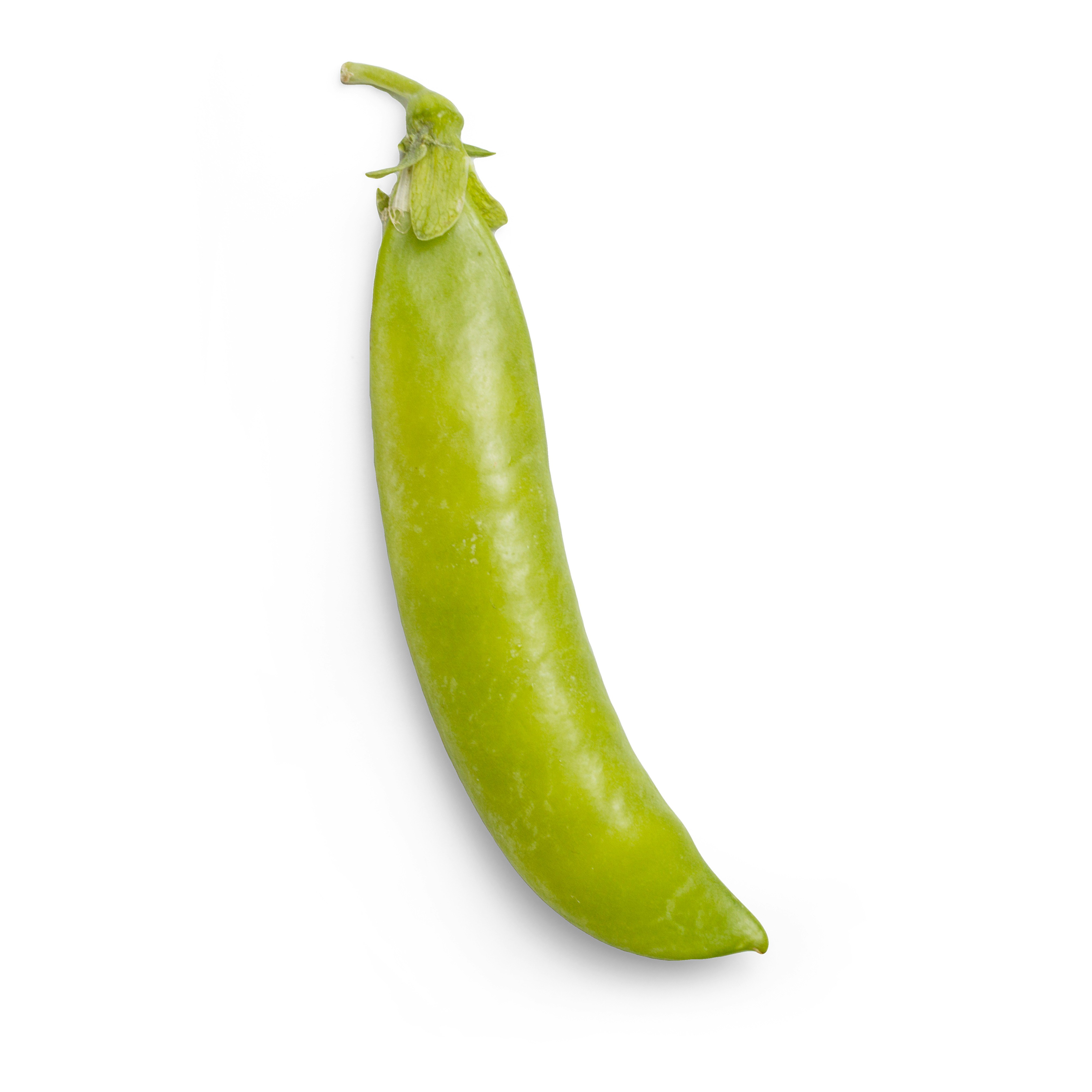
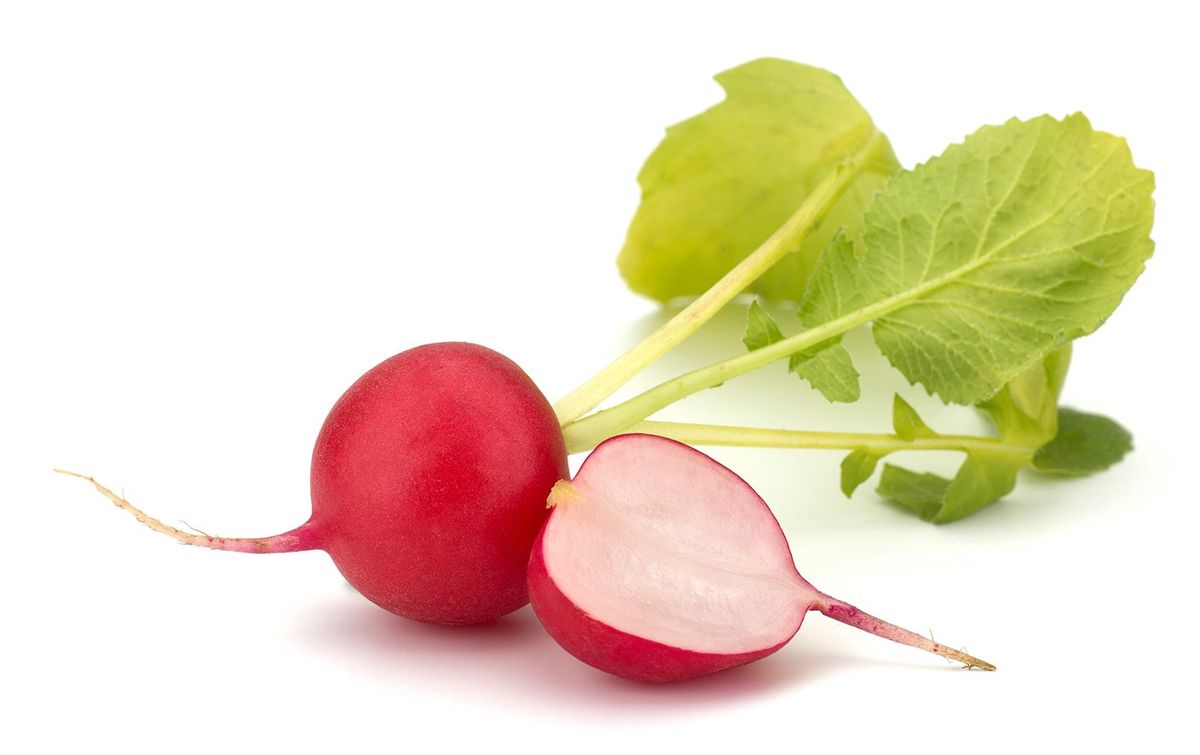
- Harvest radishes and peas and eat them fresh
Ages 8–11
- Plan and plant their own small bed or container
- Keep a simple garden journal with drawings
- Learn to identify common pests
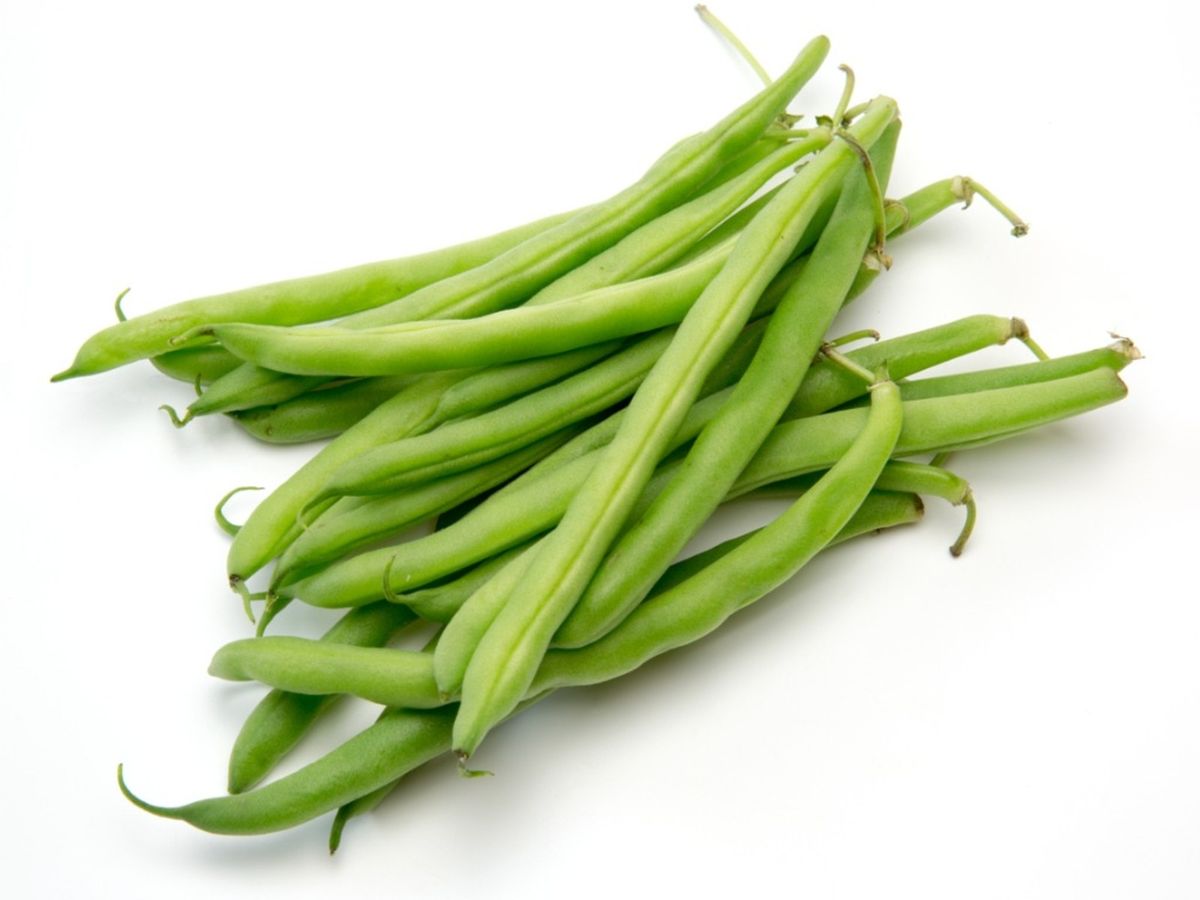
- Make a wigwam for runner beans or sweet peas
Ages 12+
- Grow from seed to harvest independently
- Experiment with companion planting
- Try saving seeds at the end of the season
- Research what to grow and plan the next season
5 things that make it work
Give them their own space
Even a single pot or a 30cm square of bed is enough. Ownership is the key: they decide what goes in it.
Choose fast crops first
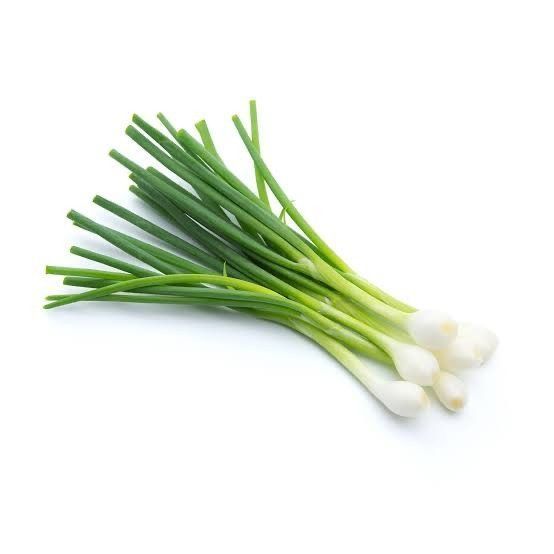
Radishes are ready in 4 weeks. Spring onions in 8. Early success builds enthusiasm before interest fades.
Let them get it wrong
Overwatered plants, forgotten seeds, slugs: these are real lessons. Resist the urge to fix everything quietly.
Keep tools child-sized
Adult tools are heavy and frustrating for small hands. A proper small trowel and fork make a real difference.
Harvest and cook together
The moment a child eats something they grew themselves is the moment they become a gardener.
Ready to get started?
Pick one crop, give the child their own small space, and sow together this weekend. Radishes are ready in four weeks: fast enough to keep any child interested.