Not the right time yet: plan to start in November, about 1 month away.
Growing Calendar
This month: Oct
Plan ahead for this crop
- •Check growing conditions
- •Prepare for next stage


Watch Out For
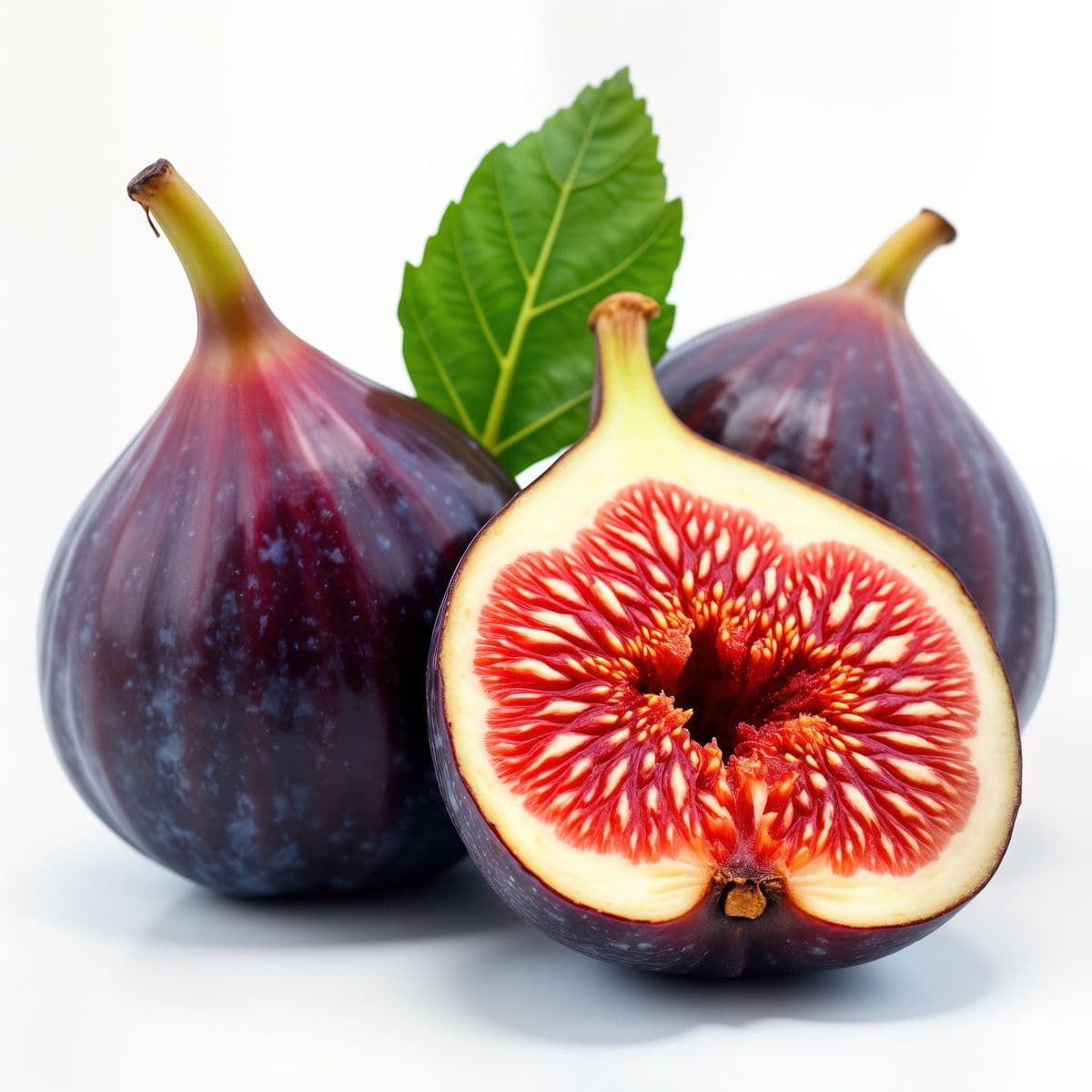
Fig rust causes yellow-brown spotting and early leaf drop in wet summers. Rake up and bin fallen leaves rather than composting them
Unripe figs left through a cold, wet UK winter often rot rather than surviving to ripen. Remove any fruit larger than a pea before winter, keeping only the small embryonic ones
Root growth needs restricting or the tree channels its energy into leaves over fruit and can take years longer to crop well
Common Questions
About growing Fig in the UK
Why does my fig tree not fruit?
Almost always unrestricted roots: an unrestricted fig puts its energy into leafy growth instead of fruit. Plant in a buried container, brick-lined pit, or large pot to force it to focus on fruiting.
Do I need to protect fig fruit over winter?
Yes, but selectively: remove any fruit already larger than a pea in autumn, since it won't survive a UK winter and ripen. Leave the small pea-sized embryonic figs, protected with fleece or straw, these are next year's crop.
Does a fig tree need a pollinator?
No, the common UK varieties (including 'Brown Turkey') are self-fertile and don't need the specific wasp that pollinates figs in warmer climates.
Can I grow a fig in a container permanently?
Yes, and it's often easier than open ground since the pot itself restricts the roots. Choose a dwarf variety like 'Little Miss Figgy' for the best results in a smaller container.
Written from real growing experience, organic methods only. Our story · Our approach
Members
Track your fig from sowing to harvest in My Garden.