The Honest Answer
Partial self-sufficiency is still worth having.
"Grow all your own food" doesn't hold up against a typical UK back garden or allotment, and we're not going to tell you it does. Peer-reviewed research from the University of Sheffield found that UK households who grow their own produce, on average, 51% of the vegetables they eat and 20% of the fruit. That's not everything. It's also not nothing.
Those same grow-your-own households ate 6.3 portions of fruit and veg a day against a UK average of 3.7, and wasted 95% less of it. The value isn't in replacing the shop entirely. It's in the half of your veg that's no longer a purchase, and the produce that never goes in the bin.
51%
Of vegetables eaten, on average, by UK households who grow their own.
20%
Of fruit eaten, on average, the same way. Fruit is structurally the harder category.
53%
The UK's own national self-sufficiency in fresh vegetables, per DEFRA's 2024 food security index.
15%
The UK's national self-sufficiency in fresh fruit. The individual and national gaps mirror each other closely.
"Allotments provide partial, not complete, self-sufficiency." — National Allotment Society
Vegetables are where the real gains are: quick, high-value, and expensive or quality-degraded fast when bought. Fruit is a slower, smaller contribution unless you've got established trees or bushes and a few years of patience. Calorie-dense staples like grain and large-scale potatoes need far more space than most plots offer: that's the honest ceiling, not a failure of technique. The wartime "a plot feeds a family of four for a year" claim was always about fruit and veg specifically, not a full diet, and it's worth being precise about that.
What Actually Moves The Needle
Succession sowing
Little and often, so you get a steady supply instead of one glut and three empty months.
Extending the season
Cold frames, cloches and hot beds push both ends of the growing year further than the calendar suggests.
Seed saving
Free seed next year, but only from the crops it genuinely works for: open-pollinated, not F1.
Storage crops
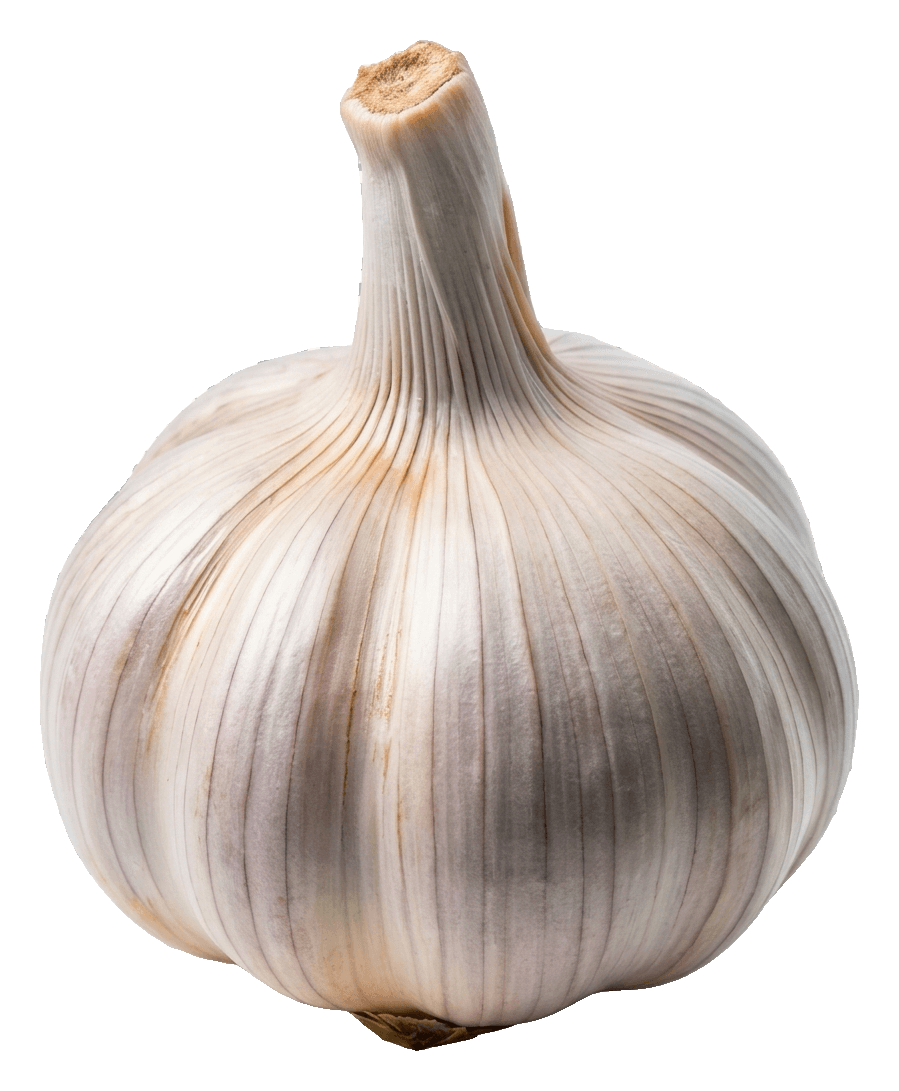
Roots, squash, onions and garlic buy you months without a freezer or any special kit.
Preserving a glut
Freezing, jams and pickling catch the surplus succession sowing doesn't fully prevent.
Start Where You Are
Grow what actually earns its space.
My Garden tracks what you've sown, what's ready, and what's coming next, so succession sowing stops being guesswork.
Open My Garden