Pelham Gardens
Pelham GardensGrow What Matters

Squash

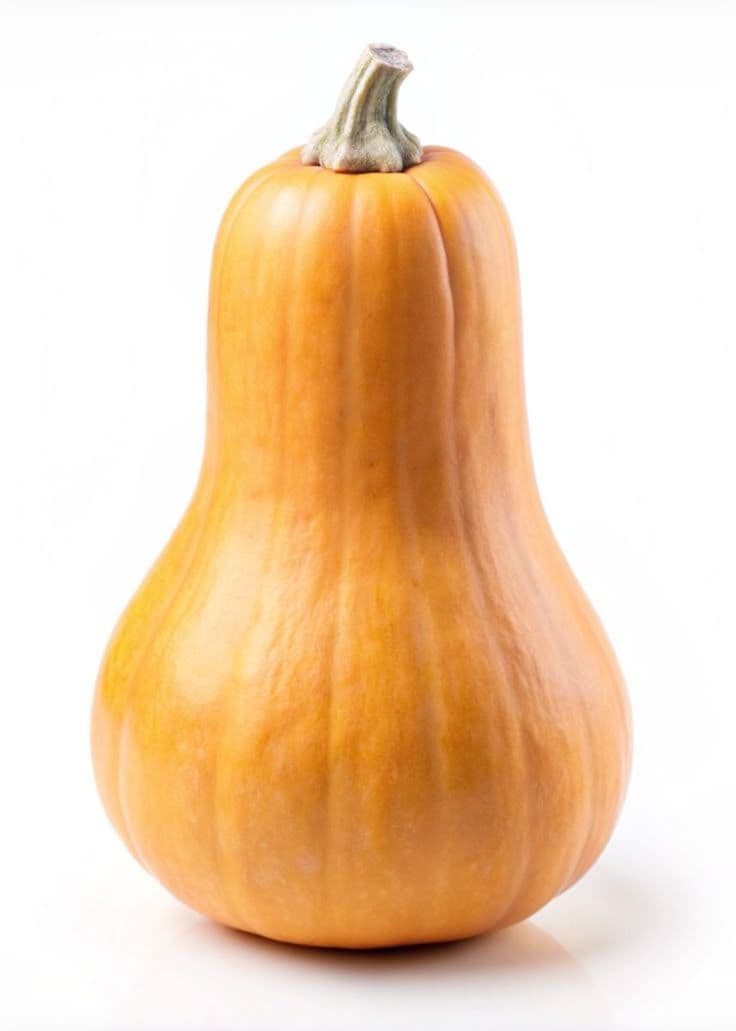
Hugely productive and available in a remarkable range of shapes and colours. Give squash rich soil, plenty of space and reliable water — it will fill a bed by harvest time and keep producing into autumn.

Sprouting this month
First sprouts in 5–7 days

Sow

Apr – May

Plant Out

May – Jun

Harvest

Aug – Nov

Location

Indoor & Outdoor

Difficulty

Squash

Now is a good time to sow Squash. Follow the sowing guide below.

Growing Calendar

Jan
Feb
Mar
Apr
May
Jun
Jul
Aug
Sep
Oct
Nov
Dec
Sow
Transplant
Harvest

This month: May

Log to journal

Start seeds indoors this week

  • Fill tray with compost
  • Sow seeds evenly
  • Cover lightly with soil
  • Water gently
  • Place in warm light spot

Sowing Guide

What you'd find on the seed packet

Sow Depth

2cm

Spacing

90–120cm

Germination

5–7days

Thinning

One plant per station — squash needs its full space to spread and produce

Grower's Note

Sow seeds on their side to prevent the tip rotting. Like pumpkin, squash produces trailing vines — train them in one direction to keep the bed manageable and easy to water.

Planting Out Guide

Best spaces, conditions and how to plant out

Plant Spacing

90cm–1.5m

Best Grown In

Open ground, large raised beds

Conditions

Full sun, sheltered. Rich, deeply dug, moisture-retentive soil. Do not plant out before the last frost.

Grower's Note

Prepare planting holes with well-rotted manure. Water consistently — irregular moisture causes poor fruit set and blossom drop.

Growing Stages

Approximate weeks from sowing to harvest

Sprouting

1wks

Seeds germinate and first leaves emerge. Keep warm and moist.

Establishing

4wks

Root system develops and plant builds structure. Pot on if needed.

Maturing

14wks

Plant reaches full size and begins producing. Harvest at peak.

Total~19 weeksfrom seed to harvest

Companion Plants

Plant these nearby for natural pest control, better yields, and healthier soil.

Climate Control

Today

C

Humidity

%

Water

Daily

Sunlight

6+ hours direct sun

Watch Out For

Powdery mildew spreads across leaves in late summer

improve airflow and remove worst-affected foliage promptly to slow its spread

Slugs devastate young plants in wet conditions

protect with copper tape or grit and only plant out once plants are sturdy enough to recover

Fruit left sitting on damp soil will rot

raise developing fruits on a tile or piece of wood as they swell

Pests & Problems

Full guide →

Powdery Mildew

White powdery patches spreading across all leaves from August

Aug–Oct

Slugs

Young plants destroyed at soil level

Apr–Jul

Cucumber Mosaic Virus

Mottled yellow-green mosaic pattern on leaves

May–Sep

What You'll Need

Equipment for growing squash

Modular Seed Tray

96-cell for precision sowing

Fine Rose Watering Can

Gentle shower for seedlings

Bamboo Canes

Pack of 20 × 120cm

Some links are affiliate links — we may earn a small commission at no cost to you.

Grown Organically

Every method in this guide works with natural systems — no synthetic chemicals, no shortcuts.

Read our approach

Common Questions

About growing Squash in the UK

What is the difference between summer and winter squash?

Summer squash (courgettes, pattypan) are harvested young with soft skins and eaten fresh. Winter squash (butternut, acorn, crown prince) develop thick, hard skins and are cured for long-term storage. In the UK, growing season for winter squash is short — start early under glass.

How do I know when winter squash is ready to harvest?

Harvest winter squash when the skin cannot be dented with a fingernail, the stem has begun to dry and cork over, and the colour is fully developed. In the UK, harvest before the first hard frost — typically September to October.

Why is my squash not setting fruit?

Poor fruit set is usually caused by insufficient pollination. Hand-pollinate by using a paintbrush to transfer pollen from a male flower (no swelling behind petals) to a female flower (tiny squash behind petals). Do this on a warm morning for best results.

How do I store winter squash?

Cure harvested squash by leaving them in a warm, dry place (ideally 27–32°C) for 10–14 days to harden the skin. Then store in a cool, dry, frost-free space. Well-cured butternut squash can last 3–6 months; crown prince and Hubbard types even longer.

Member guides

There's more to growing Squash than this guide covers.

Seasonal reminders, deeper guides, and the small adjustments that change a harvest.

See what's included

UK Gardening Guide Newsletter

Get Monthly UK
Gardening Tips

Seasonal sowing reminders, what to plant now, and practical growing advice — delivered free every month.