Out of season right now. The next sowing window opens in March.
Growing Calendar
This month: Oct
Plan ahead for this crop
- •Check growing conditions
- •Prepare for next stage


Watch Out For
Borage grows large quickly (up to 90cm tall and wide): give it room or it will crowd out smaller companion plants nearby
Prolific self-seeding can become a nuisance: deadhead spent flowers if you do not want it spreading across the bed
Aphids cluster on new growth tips in summer: these usually attract ladybirds within days; leave them unless the infestation is severe
Common Questions
About growing Borage in the UK
When do I sow borage in the UK?
Sow borage directly outside from April to June. It germinates quickly in warm soil (within 1–2 weeks) and dislikes transplanting. Once established, it self-seeds freely and will appear in the garden year after year without resowing.
Are borage flowers edible?
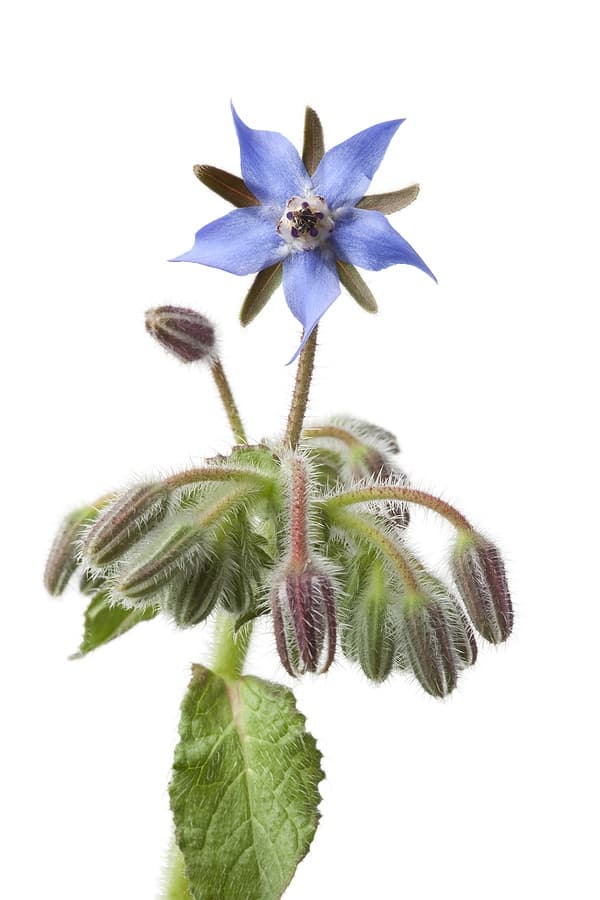
Yes, the vivid blue star-shaped flowers are fully edible with a subtle cucumber flavour. They are excellent in salads, frozen in ice cubes, as cake decorations, or floated in summer drinks. Leaves are also edible but hairy: chop finely or use in cooked dishes.
Does borage attract bees?
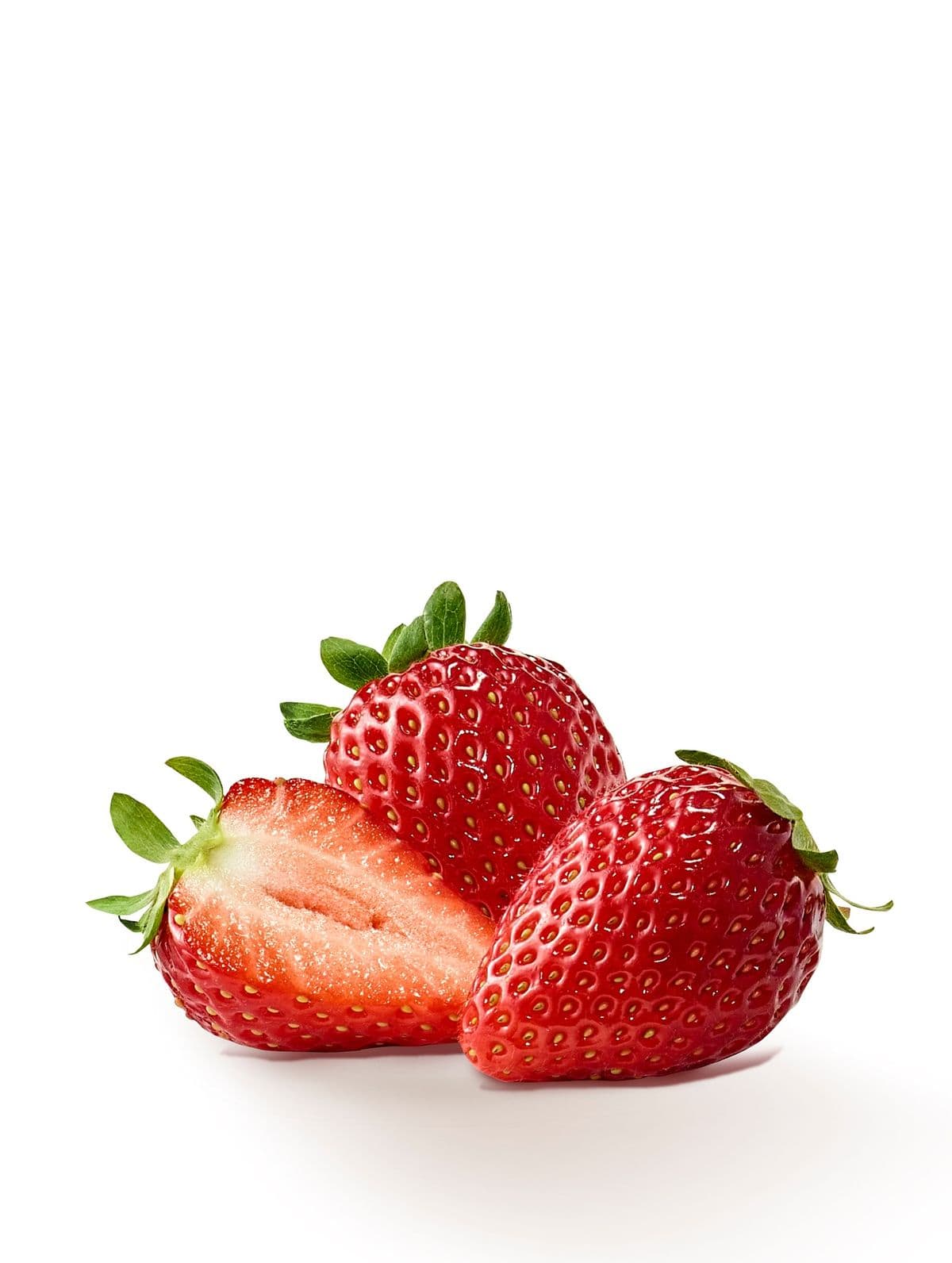
Yes, borage is one of the most valuable pollinator plants available. A single plant in flower produces hundreds of nectar-rich blooms over several months. Planting borage near cucumbers, courgettes, strawberries, and squash significantly improves pollination and yield.
Does borage spread?
Borage self-seeds prolifically: once established in a garden, it will return every year from self-sown seeds. It is not aggressive but will pop up in unexpected places. Simply remove plants where they are not wanted; transplant when very young as they dislike root disturbance.
Written from real growing experience, organic methods only. Our story · Our approach
Members
Track your borage from sowing to harvest in My Garden.