Pelham GardensGrow What Matters

Bay

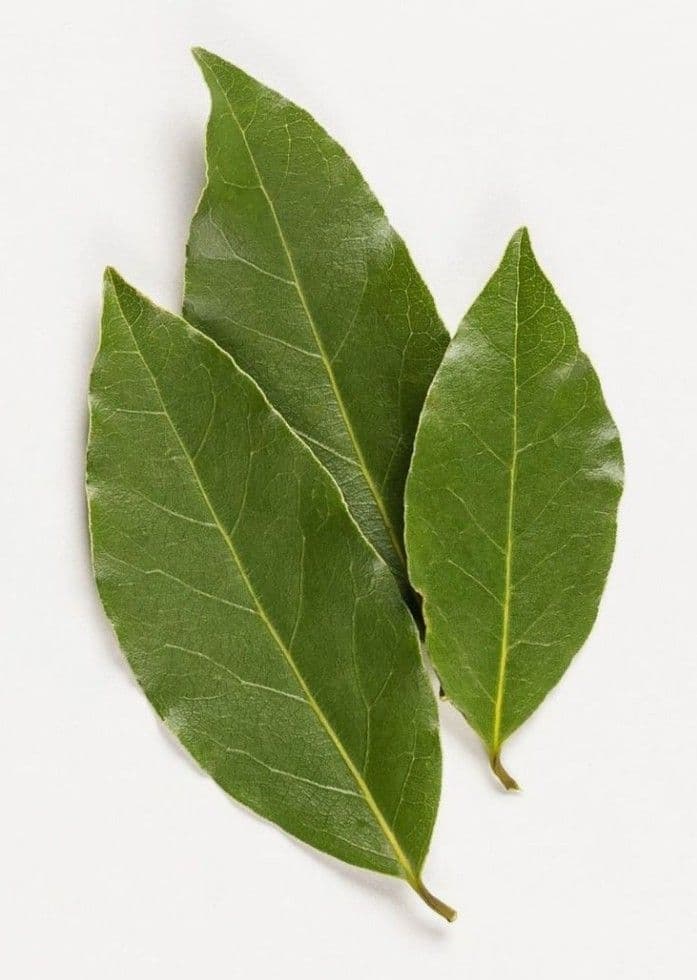
A slow-growing evergreen valued for its leaves, used fresh or dried year-round in cooking. Happy in a large pot for many years, and far more shade-tolerant than most culinary herbs.

Written by Yemi · Last reviewed August 2026

Maturing this month
First sprouts in 1-3 months, slow and often unreliable from seed

Difficulty

Bay

Bay should be ready to harvest this month. Check for size and colour.

Growing Calendar

Jan
Feb
Mar
Apr
May
Jun
Jul
Aug
Sep
Oct
Nov
Dec
Sow
Transplant
Harvest

This month: Sep

Log to journal

Ready to harvest now

  • Check size and ripeness
  • Harvest regularly
  • Store or use fresh

Sowing Guide

What you'd find on the seed packet

Sow Depth

5mm

Spacing

Grown as a single specimen, ultimately needs 2m or more if planted in open ground

Germination

1-3months, slow and often unreliable from seed

Thinning

Not applicable, typically grown as a single plant

Grower's Note

Bay is usually bought as a young plant rather than grown from seed, germination is slow and inconsistent. Semi-ripe cuttings taken in late summer are a more reliable way to propagate a specific plant.

Recommended Varieties

Plain-leaved Laurus nobilis is the standard culinary bay. 'Aurea' has golden-yellow young foliage and is grown mainly for ornamental effect, and is slightly less hardy than the plain green form.

Planting Out Guide

Best spaces, conditions and how to plant out

Plant Spacing

At least 60cm from other plants if grown in the ground, more space as it matures

Best Grown In

A large container (minimum 40cm diameter), or a sheltered border

Conditions

Full sun to partial shade, sheltered from cold wind. Free-draining, loam-based soil or compost.

Grower's Note

Bay is hardy down to around -5 to -10°C once established, but young plants and containers benefit from fleece or a sheltered spot in a hard winter.

Growing Stages

Approximate weeks from sowing to harvest

Sprouting

6wks

Seeds germinate and first leaves emerge. Keep warm and moist.

Establishing

20wks

Root system develops and plant builds structure. Pot on if needed.

Maturing

40wks

Plant reaches full size and begins producing. Harvest at peak.

Total~66 weeksfrom seed to harvest

Climate Control

Today

C

Humidity

%

Water

Every 2–3 days

Sunlight

3–6 hours sun

Watch Out For

Bay sucker causes leaves to curl, thicken and turn yellow-brown at the edges: pick off and destroy affected leaves, the damage is mostly cosmetic and rarely serious

Scale insects appear as small brown bumps on stems and leaf undersides, often with sticky honeydew and sooty mould following: wipe off by hand or treat with a horticultural soap spray

Old, overgrown bay can be cut back hard to rejuvenate it, but it recovers slowly: spread the hardest pruning over two years rather than all at once

What You'll Need

Equipment for growing bay

Modular Seed Tray

96-cell for precision sowing

Fine Rose Watering Can

Gentle shower for seedlings

Bamboo Canes

Pack of 20 × 120cm

Some links are affiliate links: we may earn a small commission at no cost to you.

Grown Organically

Every method in this guide works with natural systems: no synthetic chemicals, no shortcuts.

Read our approach

Common Questions

About growing Bay in the UK

Can bay survive winter outside in the UK?

Established bay plants tolerate UK winters in most regions, but young plants and anything in a container are more vulnerable to root-freezing and wind scorch. Move containers to a sheltered spot or wrap the pot in fleece during hard frosts.

Why are my bay leaves curling and turning brown at the edges?

This is almost always bay sucker, a small sap-sucking insect that causes leaves to thicken, curl and discolour. It's mostly a cosmetic problem: pick off and destroy affected leaves, and the plant will usually recover fine.

How often should I harvest bay leaves?

Bay is evergreen, so leaves can be picked whenever needed, at any time of year. Older, more mature leaves generally have a stronger flavour than very young soft growth, and leaves dry well for storing.

Can I keep bay small in a pot long-term?

Yes, bay is naturally slow-growing and tolerates being kept fairly compact in a container for many years with regular light trimming in summer. Repot every couple of years into fresh compost to keep it healthy, rather than moving it into an ever-larger pot.

Written from real growing experience, not just research. Read the story behind Pelham Gardens.

Member guides

There's more to growing Bay than this guide covers.

A Garden Journal to log what worked, a personalised sowing planner in My Garden, and monthly reminders timed to the calendar.

See what's included

Free Monthly Newsletter

Never miss a
sowing window

Each month: what to sow now, what to move on, and organic growing tips matched to UK conditions.

  • Monthly sowing & transplanting reminders
  • Organic pest tips timed to the season
  • What to harvest and how to store it