Fennel

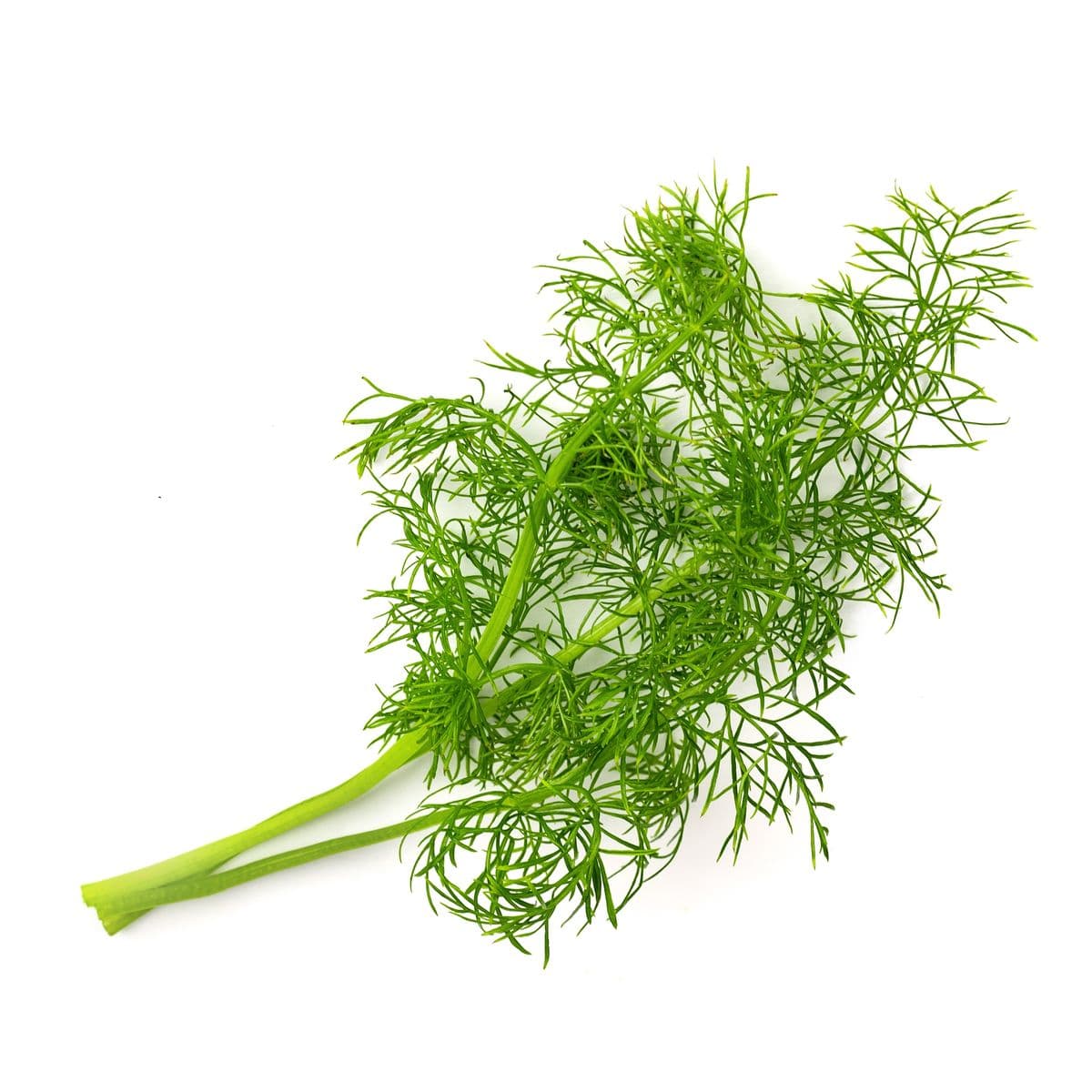
Grown for its feathery foliage and aniseed flavour, not to be confused with Florence fennel's edible bulb. A tall, hardy perennial that self-seeds freely and is a magnet for beneficial insects once it flowers.

Written by Yemi · Last reviewed August 2026

Waiting this month
First sprouts in 10-14 days at soil temperatures above 10°C

Difficulty

Fennel

Out of season right now. The next sowing window opens in March.

Growing Calendar

Jan
Feb
Mar
Apr
May
Jun
Jul
Aug
Sep
Oct
Nov
Dec
Sow
Transplant
Harvest

This month: Oct

Plan ahead for this crop

  • •Check growing conditions
  • •Prepare for next stage

Sowing Guide

What you'd find on the seed packet

Sow Depth

1cm

Spacing

45cm

Germination

10-14days at soil temperatures above 10°C

Thinning

Thin to 45cm apart once seedlings have two true leaves

Grower's Note

Sow direct where it's to grow rather than starting in modules, fennel has a taproot and resents being transplanted.

Recommended Varieties

Bronze fennel ('Purpureum') has striking dark bronze-purple foliage and is equally hardy, chosen mainly for ornamental value alongside the plain green form.

Planting Out Guide

Best spaces, conditions and how to plant out

Plant Spacing

45cm, more if grown for its architectural height

Best Grown In

Open ground away from other vegetables it may compete with, a herb border, or a wilder corner

Conditions

Full sun. Moist but well-drained, fertile soil.

Grower's Note

Give it real distance from dill (they cross-pollinate) and from smaller vegetables it can overshadow or outcompete once established.

Growing Stages

Approximate weeks from sowing to harvest

Sprouting

2wks

Establishing

6wks

Maturing

12wks

Total~20 weeksfrom seed to harvest

This week for your fennel

Loading this week's weather…

Water

Every 2–3 days

Sunlight

6+ hours direct sun

Watch Out For

Self-seeds very readily once established: deadhead spent flowers if you don't want seedlings appearing throughout the bed

Grown too close to dill, the two will cross-pollinate and both can lose their true flavour and seed viability: keep them well apart

Slugs can strip young seedlings before they establish: protect with a barrier or nematodes until plants are a few centimetres tall

What You'll Need

Equipment for growing fennel

Modular Seed Tray

96-cell for precision sowing

Fine Rose Watering Can

Gentle shower for seedlings

Bamboo Canes

Pack of 20 × 120cm

Some links are affiliate links: we may earn a small commission at no cost to you.

Common Questions

About growing Fennel in the UK

What's the difference between fennel and Florence fennel?

They're the same species, grown differently. Herb fennel (this entry) is grown for its feathery leaves and aniseed-flavoured seeds. Florence fennel is grown for its swollen, edible bulb-like stem base, and needs a different growing approach entirely, see the separate Florence Fennel guide.

Why is my fennel taking over the garden?

Fennel self-seeds very readily once established. Deadhead flowerheads before they set seed if you want to keep it contained, or accept the odd seedling and remove unwanted ones while small.

Can I grow fennel and dill together?

It's best avoided. Fennel and dill cross-pollinate if grown near each other, which can affect the flavour and seed-saving reliability of both. Keep them at opposite ends of the garden if you're growing both.

Does fennel come back every year?

Yes, herb fennel is a hardy perennial in most of the UK. Top growth dies back after the first frosts and resprouts from the base the following spring.

Written from real growing experience, organic methods only. Our story · Our approach

Members

Track your fennel from sowing to harvest in My Garden.
See what's included

Free monthly email

November, in your inbox.

One email a month: what to sow, what to pick, and what to do about the slugs.

In the November issueSow garlic and broad beans. Plant out raspberries, blackberries, blueberries and rhubarb.

One email a month. Unsubscribe any time.