Pelham Gardens
Pelham GardensGrow What Matters

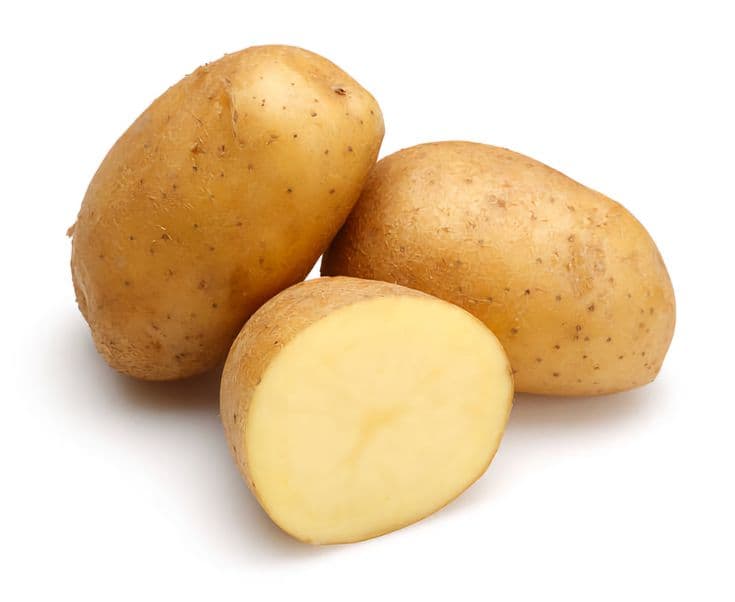
Potato

The most satisfying crop to harvest. Plant seed potatoes in spring, earth up through early summer, and dig the first earlies in June. Few things in the garden beat new potatoes straight from the ground.

Establishing this month
First sprouts in Shoots emerge 2–4 weeks after planting

Sow

Mar – Apr

Plant Out

Mar – May

Harvest

Jun – Oct

Location

Outdoors

Difficulty

Potato

Plant out your Potato this month — conditions are right now.

Growing Calendar

Jan
Feb
Mar
Apr
May
Jun
Jul
Aug
Sep
Oct
Nov
Dec
Sow
Transplant
Harvest

This month: May

Log to journal

Move seedlings outside carefully

  • Harden off plants
  • Prepare soil outdoors
  • Space plants correctly
  • Water well after planting

Sowing Guide

What you'd find on the seed packet

Sow Depth

15cm

Spacing

30cm between plants, 60–75cm between rows

Germination

Shoots emerge 2–4 weeks after planting

Thinning

Not required — one seed potato per station

Grower's Note

First earlies (e.g. Rocket, Swift) are ready in 10–12 weeks and avoid the worst of blight season. Maincrop varieties need 18–20 weeks but yield more. Always buy certified disease-free seed potatoes.

Planting Out Guide

Best spaces, conditions and how to plant out

Plant Spacing

30–35cm (in rows 60–75cm apart)

Best Grown In

Open ground, raised beds, potato bags

Conditions

Full sun. Deep, well-drained, fertile soil. Chit seed potatoes for 4–6 weeks before planting.

Grower's Note

Earth up regularly as shoots emerge to prevent tubers turning green. Cover shoots with fleece if a late frost is forecast.

Growing Stages

Approximate weeks from sowing to harvest

Sprouting

3wks

Seeds germinate and first leaves emerge. Keep warm and moist.

Establishing

6wks

Root system develops and plant builds structure. Pot on if needed.

Maturing

12wks

Plant reaches full size and begins producing. Harvest at peak.

Total~21 weeksfrom seed to harvest

Companion Plants

Plant these nearby for natural pest control, better yields, and healthier soil.

Beans

Fixes Nitrogen
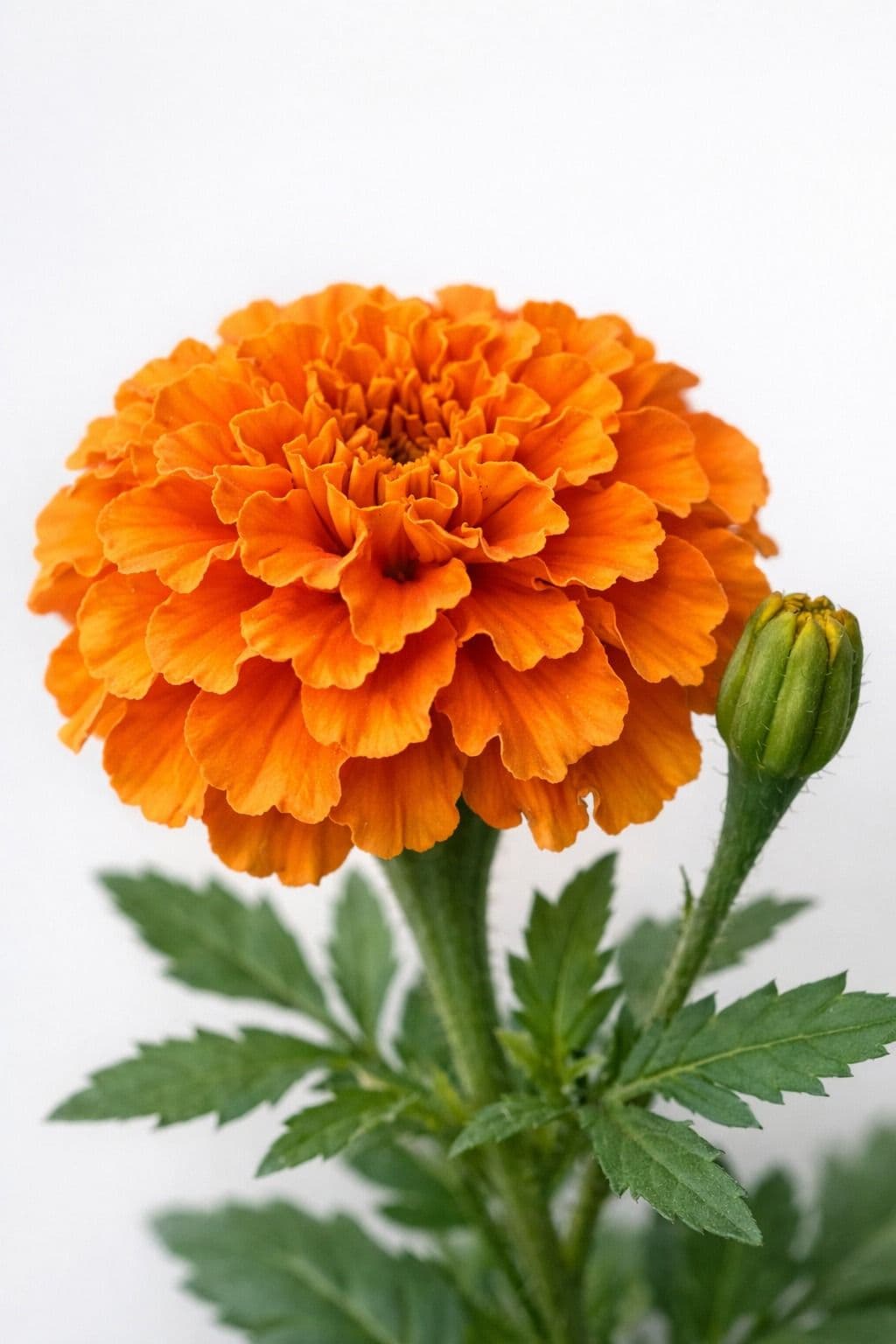
Marigold

Marigold

Repels Pests
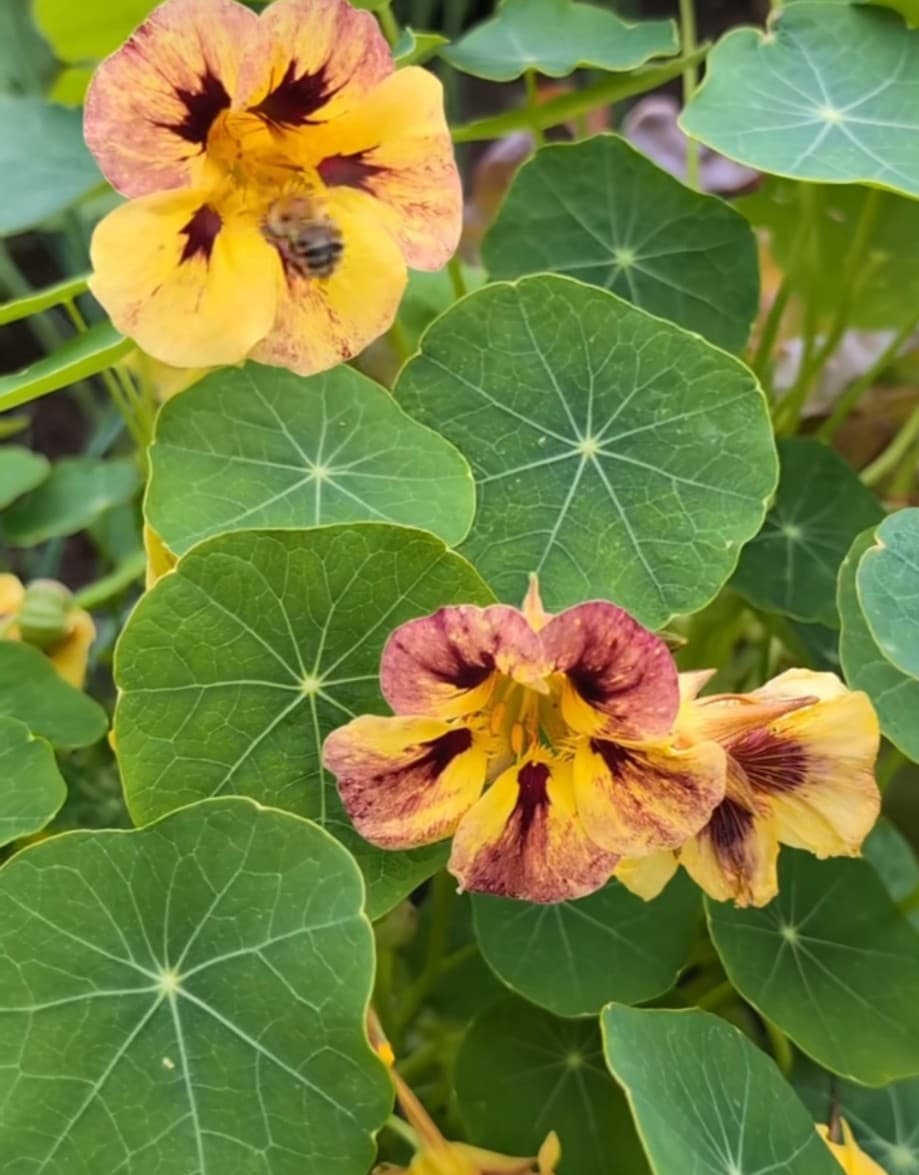
Nasturtium

Nasturtium

Repels Pests
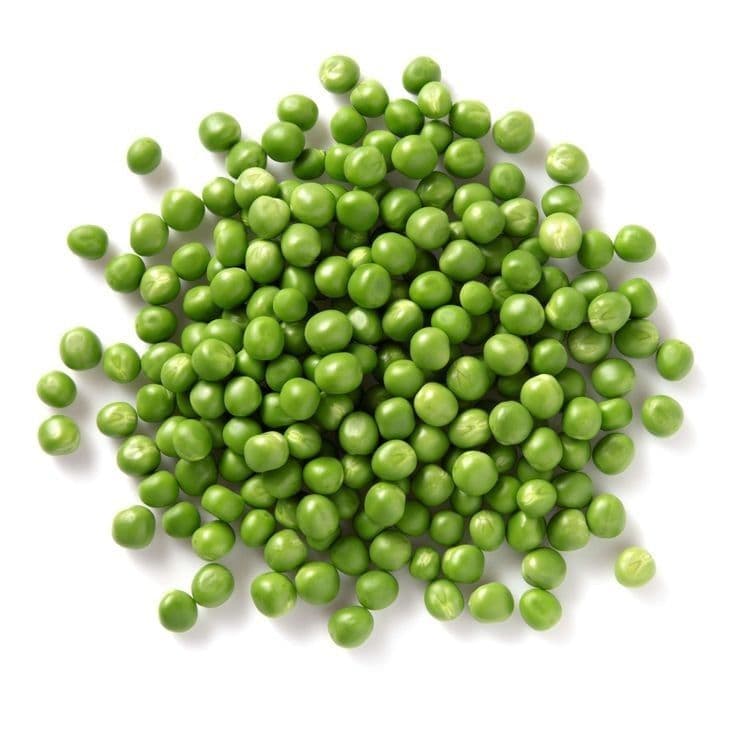
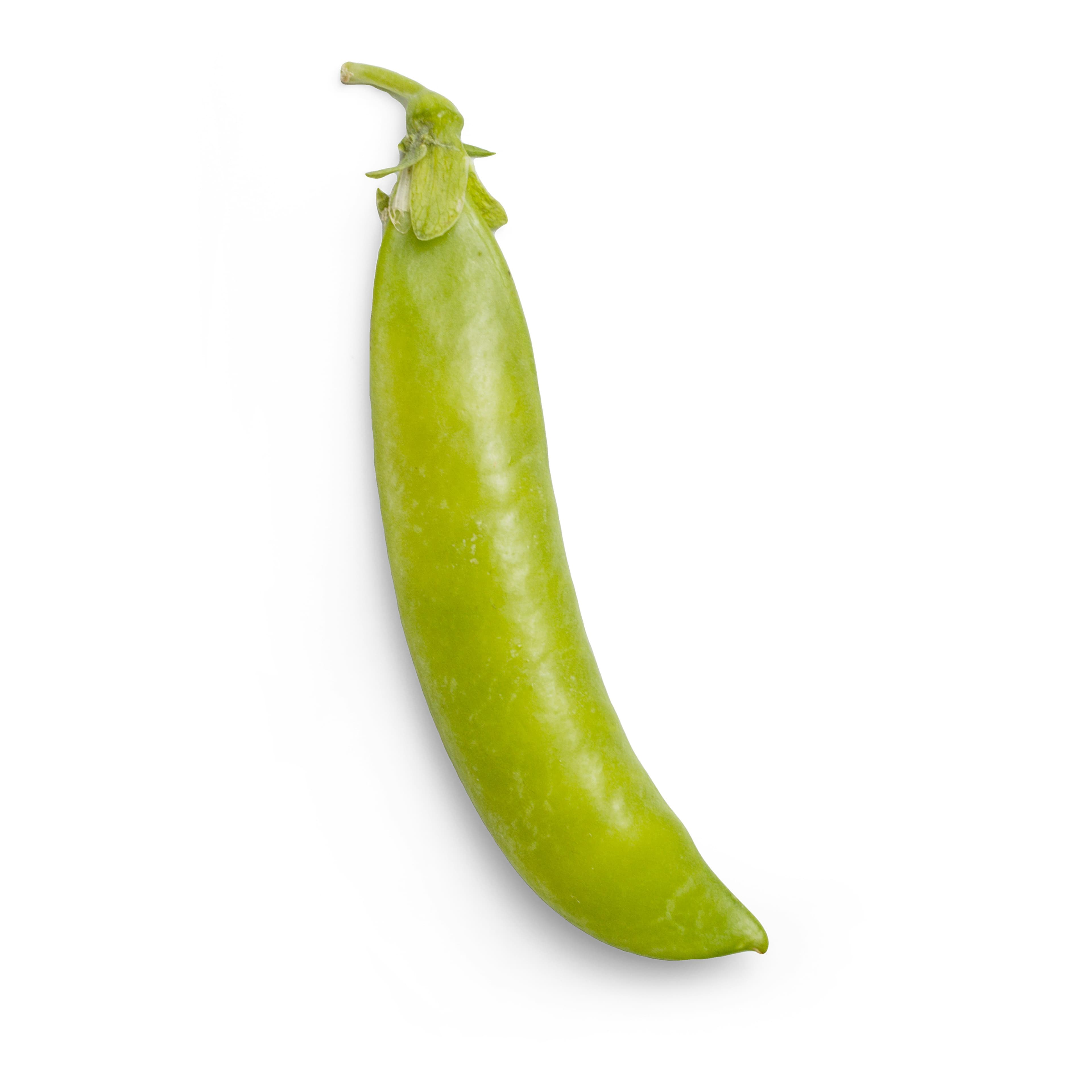
Peas

Peas

Fixes Nitrogen

Horseradish

Deters Disease

Climate Control

Today

C

Humidity

%

Water

Every 2–3 days

Sunlight

6+ hours direct sun

Watch Out For

Potato blight spreads rapidly in warm humid weather

remove and bag affected foliage immediately; never compost it as spores survive

Slugs tunnel into tubers underground

growing first earlies (harvested young) avoids the worst of the summer slug pressure

Green potatoes are toxic

earth up thoroughly throughout the season and store in complete darkness after harvest

Pests & Problems

Full guide →

Blight

Brown patches with yellow halo on leaves

Jul–Sep

Slugs

Tunnels and holes in harvested tubers

Aug–Oct

Wireworm

Narrow round tunnels through tubers

Apr–Oct

What You'll Need

Equipment for growing potato

Some links are affiliate links — we may earn a small commission at no cost to you.

Grown Organically

Every method in this guide works with natural systems — no synthetic chemicals, no shortcuts.

Read our approach

Common Questions

About growing Potato in the UK

When should I plant potatoes in the UK?

Plant first earlies from late March to April, second earlies from April, and maincrops from April to early May. Chit seed potatoes for 4–6 weeks before planting by placing them in a light, cool, frost-free place to encourage short, stubby green shoots.

What is the difference between first early, second early, and maincrop potatoes?

First earlies (e.g. Rocket, Pentland Javelin) are ready in 10–12 weeks — small, waxy, ideal for salads. Second earlies (e.g. Charlotte, Kestrel) take 13–15 weeks. Maincrops (e.g. King Edward, Desiree) take 15–20 weeks and store best over winter.

What is blight and how do I avoid it?

Potato blight (Phytophthora infestans) causes brown patches on leaves and rotting tubers, spreading rapidly in warm, humid weather. Grow blight-resistant varieties (Sarpo Mira, Setanta), earth up well to protect tubers, remove and destroy any affected foliage immediately, and do not compost affected material.

Why are my potatoes green?

Potatoes turn green when exposed to light, which also causes them to produce solanine — a mildly toxic compound. Always earth up potatoes as they grow to keep tubers covered. Green potatoes should be discarded, not eaten.

Member guides

There's more to growing Potato than this guide covers.

Seasonal reminders, deeper guides, and the small adjustments that change a harvest.

See what's included

UK Gardening Guide Newsletter

Get Monthly UK
Gardening Tips

Seasonal sowing reminders, what to plant now, and practical growing advice — delivered free every month.