Pelham Gardens
Pelham GardensGrow What Matters

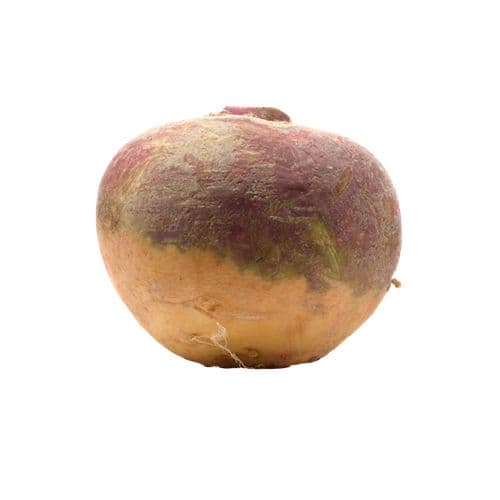
Swede

A tough, undemanding root that shrugs off a UK winter. Sow once in early summer and lift sweet, earthy roots from autumn right through to spring.

Waiting this month
First sprouts in 5–10 days

Difficulty

Swede

Out of season right now. The next sowing window opens in May.

Growing Calendar

Jan
Feb
Mar
Apr
May
Jun
Jul
Aug
Sep
Oct
Nov
Dec
Sow
Transplant
Harvest

This month: Jul

Plan ahead for this crop

  • Check growing conditions
  • Prepare for next stage

Sowing Guide

What you'd find on the seed packet

Sow Depth

2cm

Spacing

20–23cm

Germination

5–10days

Thinning

Thin to 20–23cm apart once seedlings are large enough to handle

Grower's Note

Sow thinly direct where they are to grow. Swede is a slow, steady root that resents being transplanted or checked in growth.

Growing Stages

Approximate weeks from sowing to harvest

Sprouting

1wks

Seeds germinate and first leaves emerge. Keep warm and moist.

Establishing

8wks

Root system develops and plant builds structure. Pot on if needed.

Maturing

22wks

Plant reaches full size and begins producing. Harvest at peak.

Total~31 weeksfrom seed to harvest

Climate Control

Today

C

Humidity

%

Water

Every 2–3 days

Sunlight

6+ hours direct sun

Watch Out For

Flea beetle riddles young leaves with small holes. Cover with fine mesh from sowing until plants are established

Powdery mildew coats leaves in white late in the season. Water at the base rather than overhead and space plants generously for airflow

Roots split if watering is irregular after a dry spell. Keep watering consistent, especially through summer dry periods


Pests & Problems

Full guide →

Flea Beetle

Small round holes in seedling leaves

Apr–Jun

Cabbage Root Fly

Wilting seedlings

Apr–Jun

Powdery Mildew

White powdery coating on leaves late in the season

Aug–Sep

What You'll Need

Equipment for growing swede

Modular Seed Tray

96-cell for precision sowing

Fine Rose Watering Can

Gentle shower for seedlings

Bamboo Canes

Pack of 20 × 120cm

Some links are affiliate links — we may earn a small commission at no cost to you.

Grown Organically

Every method in this guide works with natural systems — no synthetic chemicals, no shortcuts.

Read our approach

Common Questions

About growing Swede in the UK

What's the difference between swede and turnip?

Swede is larger, slower-growing and sweeter, with purple-topped, yellow-fleshed roots and smooth blue-green leaves. Turnip is smaller, quicker to mature, and has white-fleshed roots with rougher, bristly leaves. Swede also stores in the ground through winter far better than turnip.

Why are my swedes small and woody?

This usually means the roots were overcrowded, grown too fast in rich soil, or left in the ground too long past maturity. Thin seedlings promptly to their full spacing and lift roots once they reach a reasonable size rather than leaving them indefinitely.

Can I leave swede in the ground over winter?

Yes, swede is very hardy and roots often taste better after a frost, which converts some starch to sugar. In very heavy or waterlogged soil, lifting and storing in sand in a frost-free shed is a safer option.

Why are there holes in my swede seedling leaves?

Flea beetle is the most likely cause, especially in dry spring weather. Cover rows with fine insect mesh from sowing until plants are established, and keep the soil moist to help seedlings grow through the damage.

Member guides

There's more to growing Swede than this guide covers.

A Garden Journal to log what worked, a personalised sowing planner in My Garden, and monthly reminders timed to the calendar.

See what's included

Free Monthly Newsletter

Never miss a
sowing window

Each month: what to sow now, what to move on, and organic growing tips matched to UK conditions.

  • Monthly sowing & transplanting reminders
  • Organic pest tips timed to the season
  • What to harvest and how to store it