Out of season right now. The next sowing window opens in March.
Growing Calendar
This month: Oct
Plan ahead for this crop
- •Check growing conditions
- •Prepare for next stage




Watch Out For
Waterlogged or heavy clay soil causes root rot: plant on a mound or raised bed if drainage is poor, and add horticultural grit if needed
Hard pruning into old bare wood rarely regrows: trim only into the current season's green growth, never cut back below where leaves are visible
Lavender shab (a fungal dieback) can kill whole branches suddenly: remove and destroy affected stems promptly, and avoid overhead watering
Common Questions
About growing Lavender in the UK
Why is my lavender dying?
The most common cause is waterlogged or heavy clay soil, lavender's roots rot quickly if they sit wet. Improve drainage with grit or plant on a raised mound, and avoid rich, heavily fed soil, which produces soft growth prone to rot.
How do I prune lavender?
Trim after flowering has finished, cutting back the flowered stems and a couple of centimetres of leafy growth to keep a rounded shape. Avoid cutting into old bare wood, most lavenders don't regenerate from it and can die back completely.
Can I grow lavender from seed?
Yes, but it's slow and often uneven, seed can take several weeks to germinate and plants take a couple of years to reach full size. Softwood cuttings taken in early summer are quicker and more reliable if you want plants that match a specific variety.
Which lavender variety should I choose?
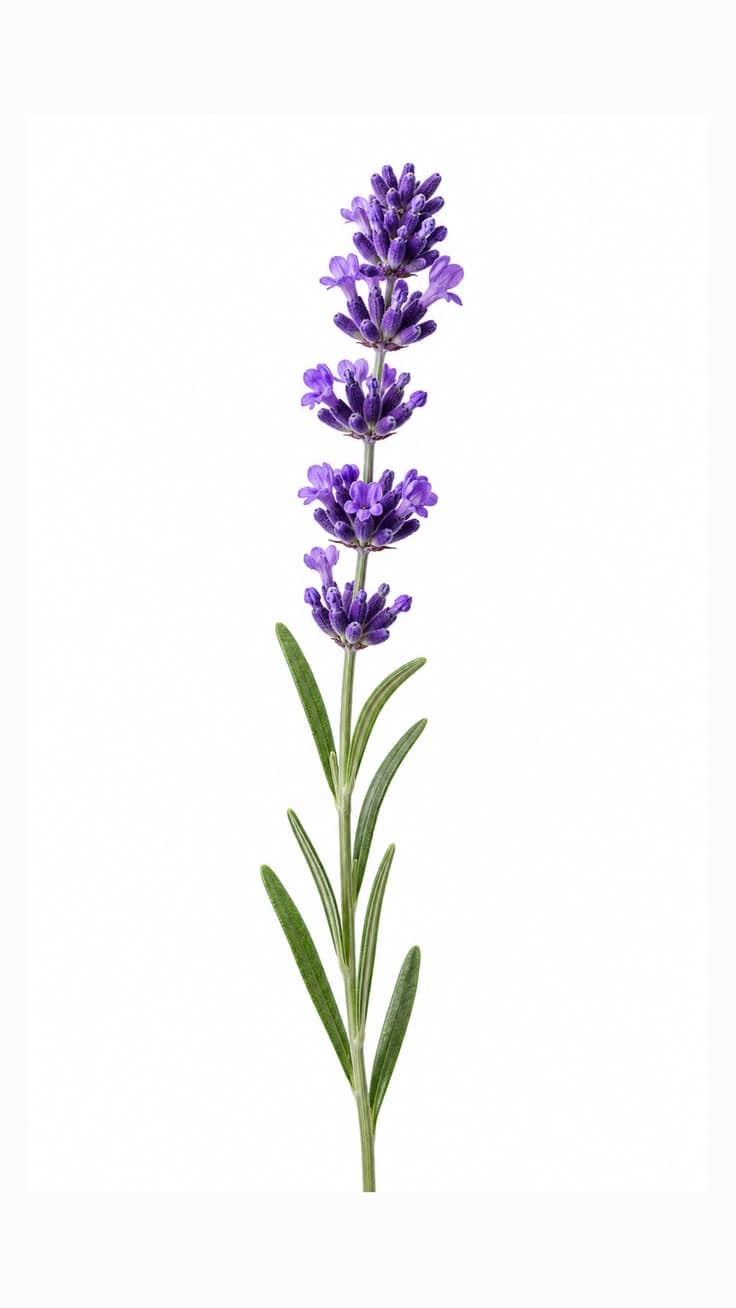
English lavender (Lavandula angustifolia) varieties like 'Hidcote' and 'Munstead' are the hardiest choice for most UK gardens and both hold the RHS Award of Garden Merit. French and Spanish lavenders are less hardy and better suited to a sheltered spot or a container that can be moved under cover in a cold winter.
Written from real growing experience, organic methods only. Our story · Our approach
Members
Track your lavender from sowing to harvest in My Garden.