Pelham Gardens
Pelham GardensGrow What Matters

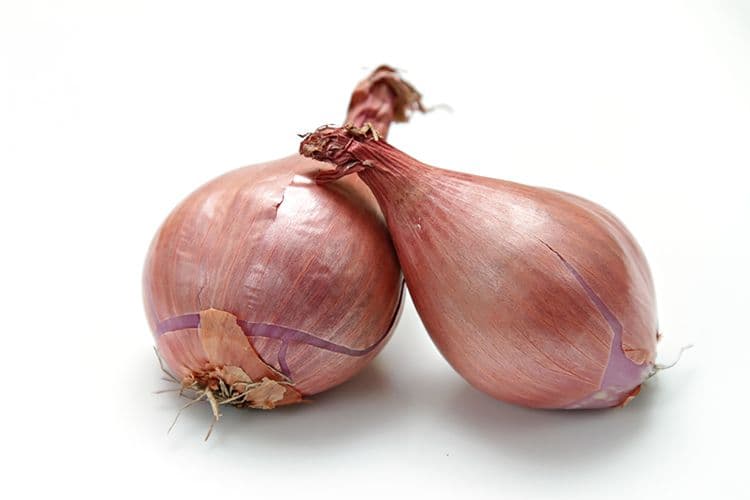
Shallots

Sweet, mild and versatile in the kitchen. Each planted bulb multiplies into a cluster of 6–12 shallots by harvest time. Far easier to grow than onions and stores well through winter.

Waiting this month
First sprouts in Shoots emerge 2–3 weeks after planting

Sow

Feb – Apr

Plant Out

Harvest

Jul – Aug

Location

Outdoors

Difficulty

Shallots

Out of season right now. The next sowing window opens in February.

Growing Calendar

Jan
Feb
Mar
Apr
May
Jun
Jul
Aug
Sep
Oct
Nov
Dec
Sow
Transplant
Harvest

This month: May

Plan ahead for this crop

  • Check growing conditions
  • Prepare for next stage

Sowing Guide

What you'd find on the seed packet

Sow Depth

Plant tip just at soil surface

Spacing

20–25cm between bulbs, 30cm between rows

Germination

Shoots emerge 2–3 weeks after planting

Thinning

Not required — each bulb becomes one clump

Grower's Note

Plant sets as early as February for the best bulb development. The earlier you plant, the longer they have to bulk up before summer. Each set will multiply into a cluster of 6–12 bulbs by harvest time.

Growing Stages

Approximate weeks from sowing to harvest

Sprouting

3wks

Seeds germinate and first leaves emerge. Keep warm and moist.

Establishing

10wks

Root system develops and plant builds structure. Pot on if needed.

Maturing

8wks

Plant reaches full size and begins producing. Harvest at peak.

Total~21 weeksfrom seed to harvest

Companion Plants

Plant these nearby for natural pest control, better yields, and healthier soil.

Climate Control

Today

C

Humidity

%

Water

Every 3–4 days

Sunlight

6+ hours direct sun

Watch Out For

Onion fly lays eggs near the base

cover with fine mesh immediately after planting and keep in place until mid-June

Neck rot in storage

ensure bulbs are completely dry with papery skins before storing; any soft or wet bulbs will not keep

Birds pull up freshly planted sets

push firmly into the soil and cover with fleece for the first few weeks if birds are a problem

Pests & Problems

Full guide →

Onion Fly

Wilting bulbs

May–Aug

White Rot

Yellowing leaves

Apr–Jun

Neck Rot

Soft brown rot developing at the neck during or after harvest

Jul–Oct

What You'll Need

Equipment for growing shallots

Modular Seed Tray

96-cell for precision sowing

Fine Rose Watering Can

Gentle shower for seedlings

Bamboo Canes

Pack of 20 × 120cm

Some links are affiliate links — we may earn a small commission at no cost to you.

Grown Organically

Every method in this guide works with natural systems — no synthetic chemicals, no shortcuts.

Read our approach

Common Questions

About growing Shallots in the UK

What is the difference between shallots and onions?

Shallots are smaller than onions, grow in clusters (each set produces 6–12 bulbs), and have a milder, more complex, slightly sweeter flavour. They store very well and are used extensively in French and Asian cooking. They are grown from sets in exactly the same way as onions.

When do I plant shallot sets in the UK?

Plant shallot sets from February to April, as soon as the soil can be worked. Like garlic, a spell of cold weather after planting improves bulb formation. Space sets 15–20cm apart, pushing them gently into the soil with the tip just visible.

When are shallots ready to harvest?

Shallots are ready from July to August when the foliage has yellowed and fallen over. Leave them in the ground for 1–2 weeks after this point to allow skins to develop, then lift and cure in a dry, airy place for 3–4 weeks before storing. Well-cured shallots keep for 6+ months.

Can I save shallots for replanting?

Yes — save the firm, healthy bulbs from this year's harvest to plant as sets next year. This is one of the most cost-effective ways to grow them once you have an initial supply. Select the best-shaped, firmest bulbs and store them separately for replanting.

Member guides

There's more to growing Shallots than this guide covers.

Seasonal reminders, deeper guides, and the small adjustments that change a harvest.

See what's included

UK Gardening Guide Newsletter

Get Monthly UK
Gardening Tips

Seasonal sowing reminders, what to plant now, and practical growing advice — delivered free every month.