Pelham GardensGrow What Matters

Apple

The most forgiving fruit tree for a UK garden: disease-resistant varieties exist for almost every situation, and a well-chosen rootstock keeps even a small garden in apples for decades.

Written by Yemi · Last reviewed August 2026

Maturing this month
First sprouts in Not grown from seed for fruiting (seedlings don't come true to variety). Always bought as a grafted tree on a named rootstock

Difficulty

Apple

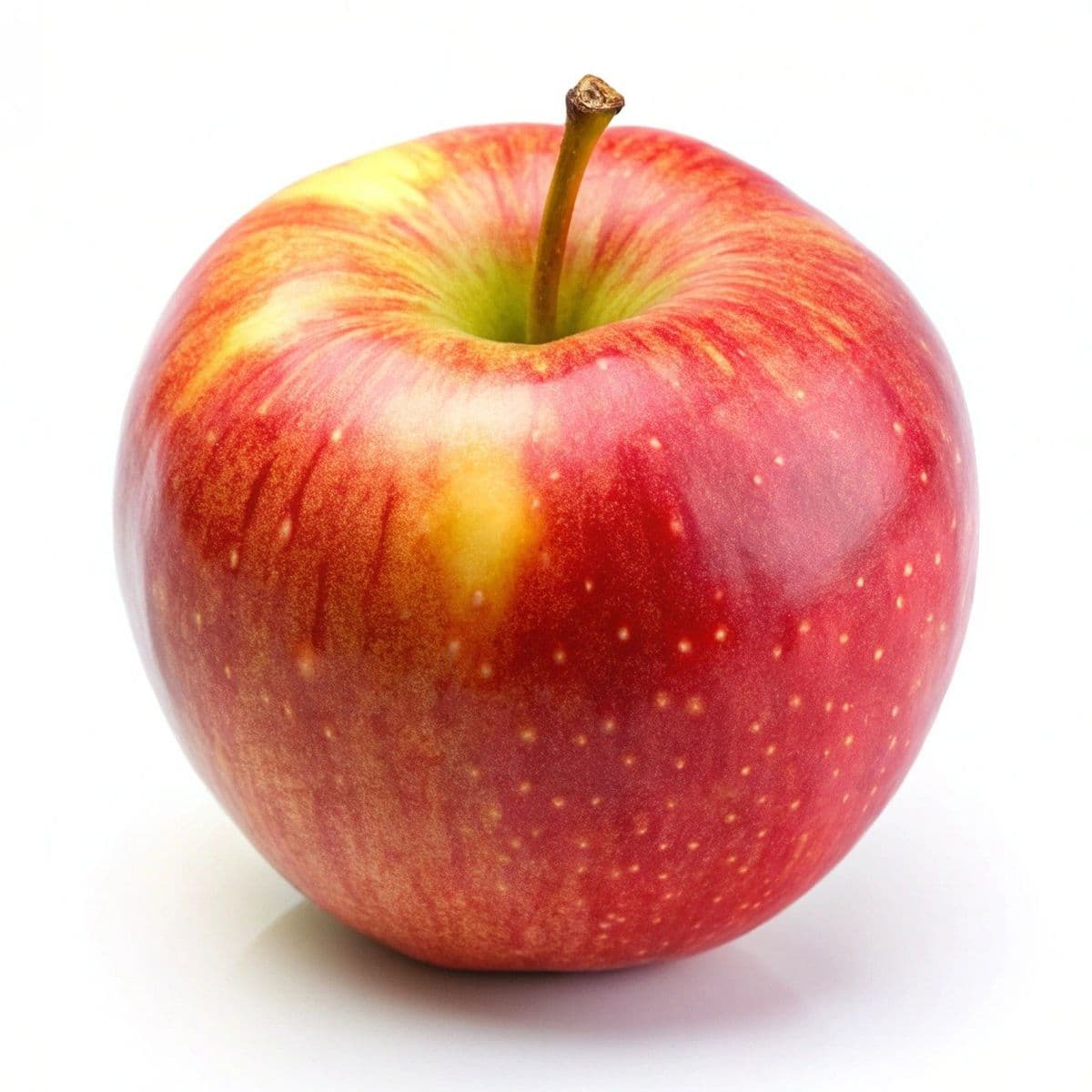
Apple should be ready to harvest this month. Check for size and colour.

Growing Calendar

Jan
Feb
Mar
Apr
May
Jun
Jul
Aug
Sep
Oct
Nov
Dec
Sow
Transplant
Bare-root / Sets
Harvest

This month: Sep

Log to journal

Ready to harvest now

  • Check size and ripeness
  • Harvest regularly
  • Store or use fresh

Sowing Guide

What you'd find on the seed packet

Sow Depth

Bare-root: roots spread out in a hole wide enough to take them without bending, planted to the same depth as the nursery soil mark on the trunk

Spacing

Depends entirely on rootstock: roughly 1.5–2m for dwarfing (M27/M9), 3m for semi-dwarf (M26), 4–5m or more for vigorous rootstocks (MM106 and above)

Germination

Not grown from seed for fruiting (seedlings don't come true to variety). Always bought as a grafted tree on a named rootstock

Thinning

Not applicable at planting; fruitlets are thinned in June once the tree is established and cropping

Grower's Note

Rootstock choice matters more than variety for how big the tree ends up. Check whether the chosen variety is self-fertile or needs a pollination partner flowering at the same time before buying just one tree.

Recommended Varieties

'Sunset' holds an RHS Award of Garden Merit, is genuinely self-fertile so one tree is enough, and gives a Cox-like flavour with far better disease resistance than Cox itself. 'Egremont Russet' also holds an AGM and has a distinct nutty russet flavour, but is only partially self-fertile and crops better with a second tree nearby. For organic growing, The Organic Gardening Catalogue lists 'Adam's Pearmain', an 1826 Norfolk heritage variety with strong resistance to scab, mildew and canker, well suited to disease-prone organic orchards.

Planting Out Guide

Best spaces, conditions and how to plant out

Plant Spacing

See rootstock spacing above

Best Grown In

Open ground or a large container on dwarfing rootstock

Conditions

Full sun, sheltered from strong wind, free-draining soil. Avoid a known frost pocket, since apple blossom can be damaged by late spring frosts

Grower's Note

Bare-root planting (November to March, while dormant) is cheaper and generally establishes better than a potted tree planted in summer.

Rootstock & Eventual Size

Approximate height after ten years, next to an average adult for scale

Dwarf

M27 / M9

~2m after 10 years

Containers, very small gardens, stepovers

Semi-Dwarf

M26

~3m after 10 years

Cordons, small bush trees, espaliers

Moderate

MM106

~4.5m after 10 years

Bush trees, espaliers, fans

Vigorous

M25

~6m after 10 years

Large bush trees, traditional orchards

Growing Stages

Approximate weeks from sowing to harvest

Sprouting

wks

Seeds germinate and first leaves emerge. Keep warm and moist.

Establishing

104wks

Root system develops and plant builds structure. Pot on if needed.

Maturing

156wks

Plant reaches full size and begins producing. Harvest at peak.

Total~NaN weeksfrom seed to harvest

Climate Control

Today

C

Humidity

%

Water

Every 2–3 days

Sunlight

6+ hours direct sun

Watch Out For

Codling moth larvae tunnel into the fruit itself. Pheromone traps from May and removing any fallen, maggoty fruit promptly both help

Apple scab shows as dark, scabby patches on leaves and fruit, worse in wet springs. Rake up and bin fallen leaves in autumn rather than composting them

Canker (sunken, cracked bark, often on a wound or pruning cut) can girdle and kill a branch. Cut back to clean wood well below the visible damage

What You'll Need

Equipment for growing apple

Modular Seed Tray

96-cell for precision sowing

Fine Rose Watering Can

Gentle shower for seedlings

Bamboo Canes

Pack of 20 × 120cm

Some links are affiliate links: we may earn a small commission at no cost to you.

Grown Organically

Every method in this guide works with natural systems: no synthetic chemicals, no shortcuts.

Read our approach

Common Questions

About growing Apple in the UK

Do I need two apple trees to get fruit?

Often, yes. Most apple varieties need a different variety flowering at the same time nearby for pollination, though some self-fertile varieties exist. Check the variety's pollination group before buying just one tree, or choose a confirmed self-fertile one if space only allows for one.

What rootstock should I choose for a small garden?

M27 or M9 for the smallest trees (1.5–2m, good for pots), M26 for a slightly larger tree that's still manageable (around 3m). Vigorous rootstocks like MM106 are really for orchard-scale space.

When do I prune an established apple tree?

Winter, while the tree is dormant and leafless, for most free-standing forms. Trained forms (espalier, cordon) are pruned in summer instead, to control vigorous new growth rather than shape the whole tree.

How long until an apple tree fruits?

On a dwarfing rootstock, often 2–3 years for the first proper crop. On a vigorous rootstock, it can take 4–6 years. Remove any fruit that sets in the first year so the tree puts its energy into establishing roots instead.

Written from real growing experience, not just research. Read the story behind Pelham Gardens.

Member guides

There's more to growing Apple than this guide covers.

A Garden Journal to log what worked, a personalised sowing planner in My Garden, and monthly reminders timed to the calendar.

See what's included

Free Monthly Newsletter

Never miss a
sowing window

Each month: what to sow now, what to move on, and organic growing tips matched to UK conditions.

  • Monthly sowing & transplanting reminders
  • Organic pest tips timed to the season
  • What to harvest and how to store it