Not the right time yet: plan to start in November, about 1 month away.
Growing Calendar
This month: Oct
Plan ahead for this crop
- •Check growing conditions
- •Prepare for next stage

Watch Out For
Crown rot turns the crown soft and black and collapses stems. Avoid waterlogged soil and don't bury the crown too deep when planting
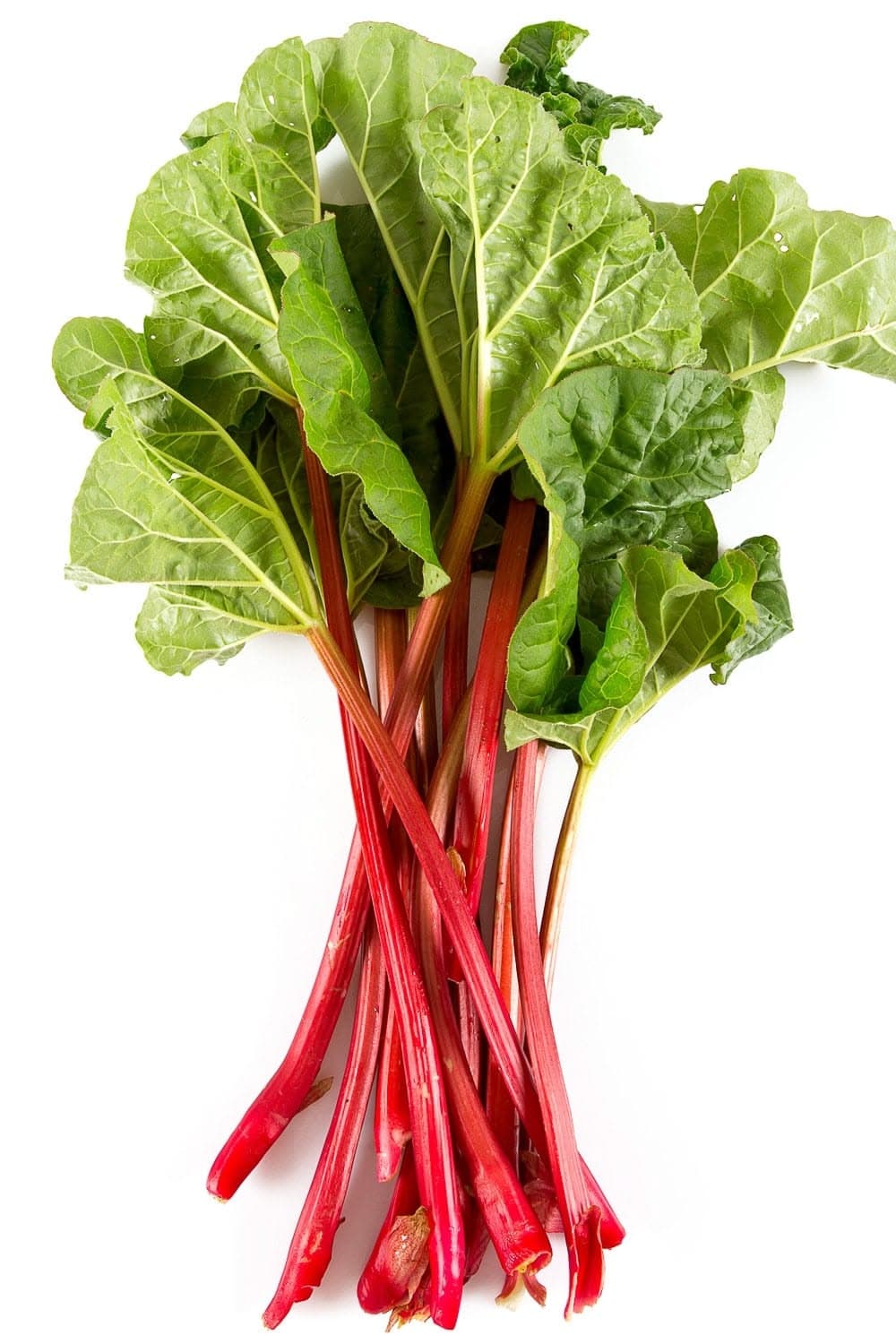
The leaves are poisonous and should never be eaten. Only the stalks are edible; compost the leaves or use them as a mulch
Flower spikes divert energy away from stalk production. Cut out any flowering stems as soon as you see them forming


Common Questions
About growing Rhubarb in the UK
How long after planting can I harvest rhubarb?
Don't harvest at all in the first year after planting. This lets the crown establish properly. Pull only lightly in the second year, and from the third year onwards you can harvest normally from March to July.
Why shouldn't I eat rhubarb leaves?
Rhubarb leaves contain high levels of oxalic acid and are toxic if eaten in quantity. Only the stalks are edible: always remove and discard (or compost) the leaves before cooking.
Why has my rhubarb stopped producing thick stalks?
Thin, sparse stalks usually mean the crown has become congested and needs dividing, or that it isn't getting enough feed. Divide clumps every five years in winter and mulch generously with manure each spring.
Can I force rhubarb for an earlier harvest?
Yes. Covering the crown with a forcing pot or upturned bin in January excludes light and produces sweeter, paler stalks from as early as March. Forced crowns need a year to recover afterwards, so only force a spare crown or alternate years.
Written from real growing experience, organic methods only. Our story · Our approach
Members
Track your rhubarb from sowing to harvest in My Garden.