Pelham Gardens
Pelham GardensGrow What Matters

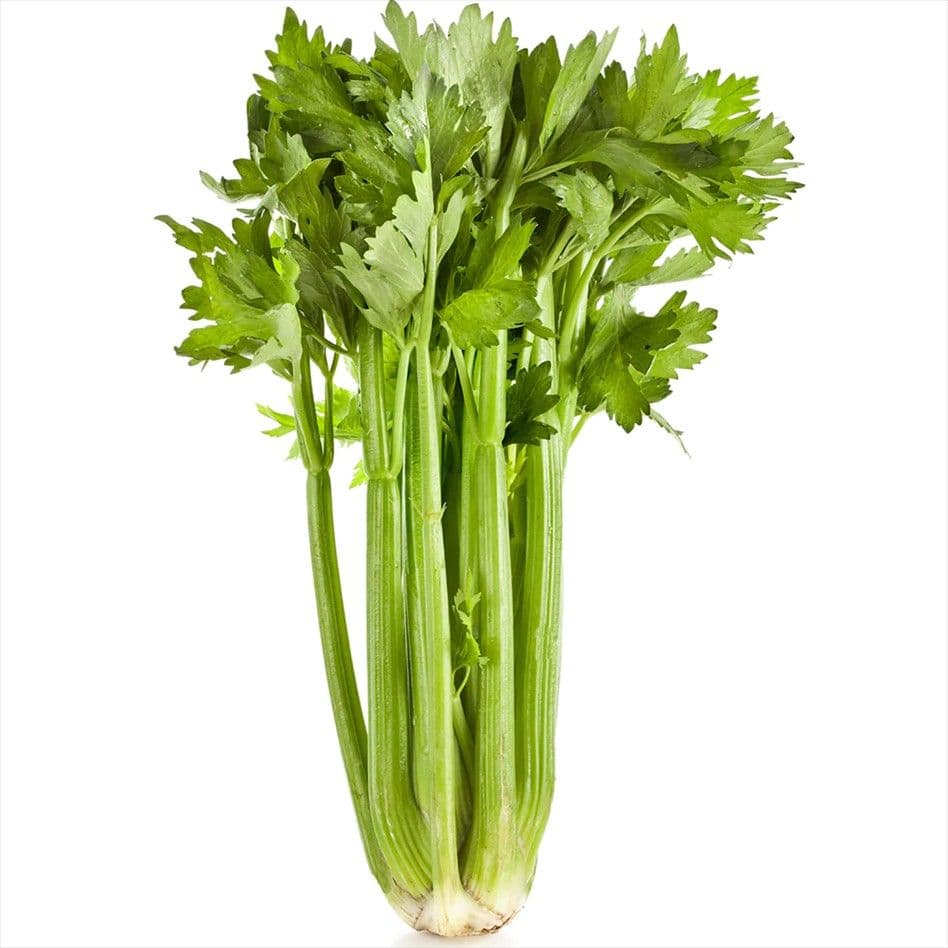
Celery

The most demanding crop in this guide. Celery needs consistent moisture, warm soil, and a long season. Get those right and the reward is crisp, intensely flavoured stalks — nothing like the pale supermarket version.

Establishing this month
First sprouts in 14–21 days at 15–18°C

Sow

Mar – Apr

Plant Out

May – Jun

Harvest

Aug – Nov

Location

Indoors

Difficulty

Celery

Plant out your Celery this month — conditions are right now.

Growing Calendar

Jan
Feb
Mar
Apr
May
Jun
Jul
Aug
Sep
Oct
Nov
Dec
Sow
Transplant
Harvest

This month: May

Log to journal

Move seedlings outside carefully

  • Harden off plants
  • Prepare soil outdoors
  • Space plants correctly
  • Water well after planting

Sowing Guide

What you'd find on the seed packet

Sow Depth

Surface sow — needs light to germinate

Spacing

30cm

Germination

14–21days at 15–18°C

Thinning

Thin to one plant per cell once 2–3cm tall; transplant to final spacing when 5–8cm tall

Grower's Note

Self-blanching varieties (Victoria, Loretta) are easiest for most growers — plant closely at 25–30cm so the plants shade each other's stalks naturally. Traditional trench celery produces the best flavour but requires earthing up through the season.

Planting Out Guide

Best spaces, conditions and how to plant out

Plant Spacing

25–30cm

Best Grown In

Raised beds, open ground

Conditions

Full sun. Rich, moisture-retentive soil. Keep consistently moist throughout the growing season.

Grower's Note

Celery is a heavy feeder — apply a balanced liquid feed fortnightly once established. Self-blanching varieties need no earthing up.

Growing Stages

Approximate weeks from sowing to harvest

Sprouting

3wks

Seeds germinate and first leaves emerge. Keep warm and moist.

Establishing

10wks

Root system develops and plant builds structure. Pot on if needed.

Maturing

18wks

Plant reaches full size and begins producing. Harvest at peak.

Total~31 weeksfrom seed to harvest

Companion Plants

Plant these nearby for natural pest control, better yields, and healthier soil.

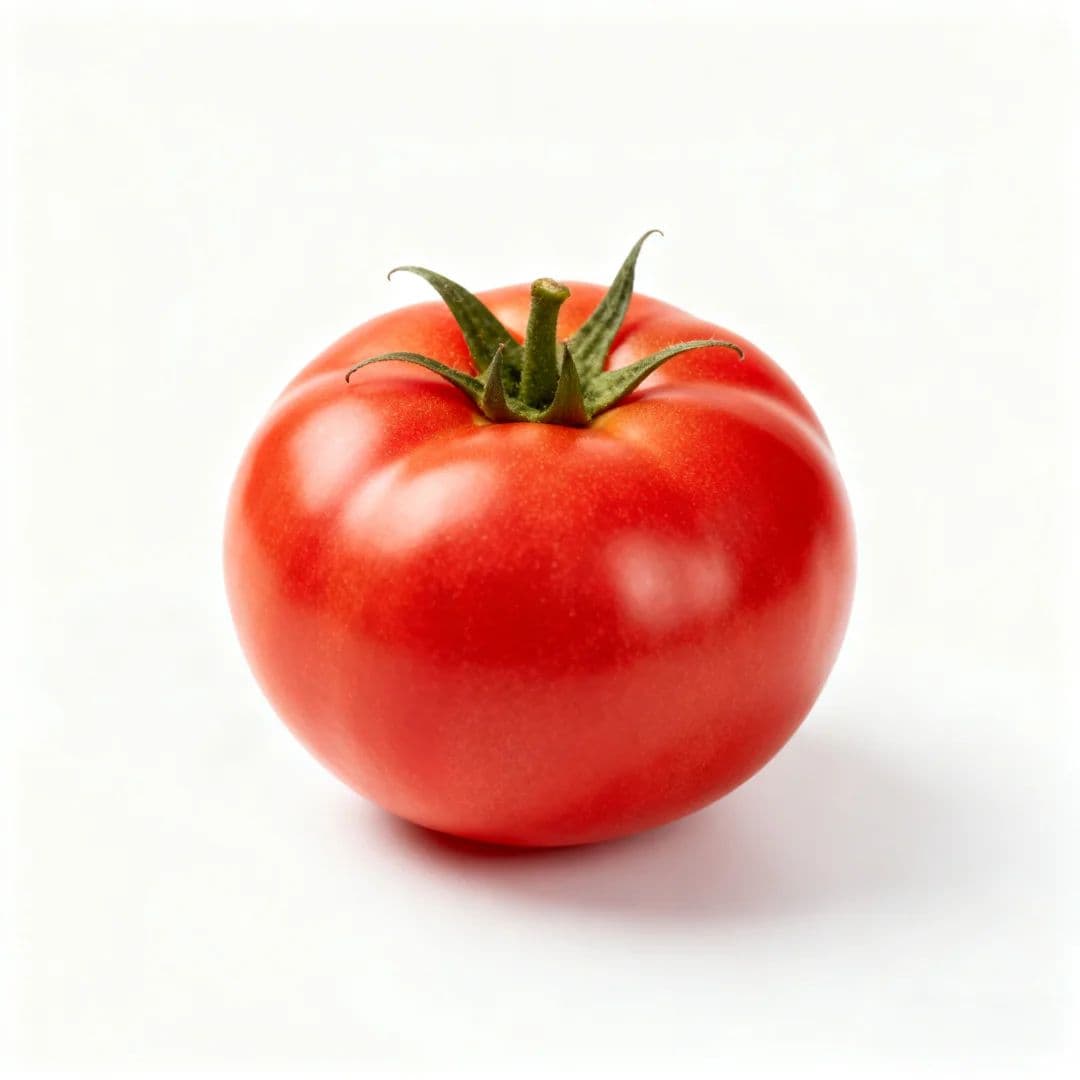
Tomato

Tomato

Repels Pests
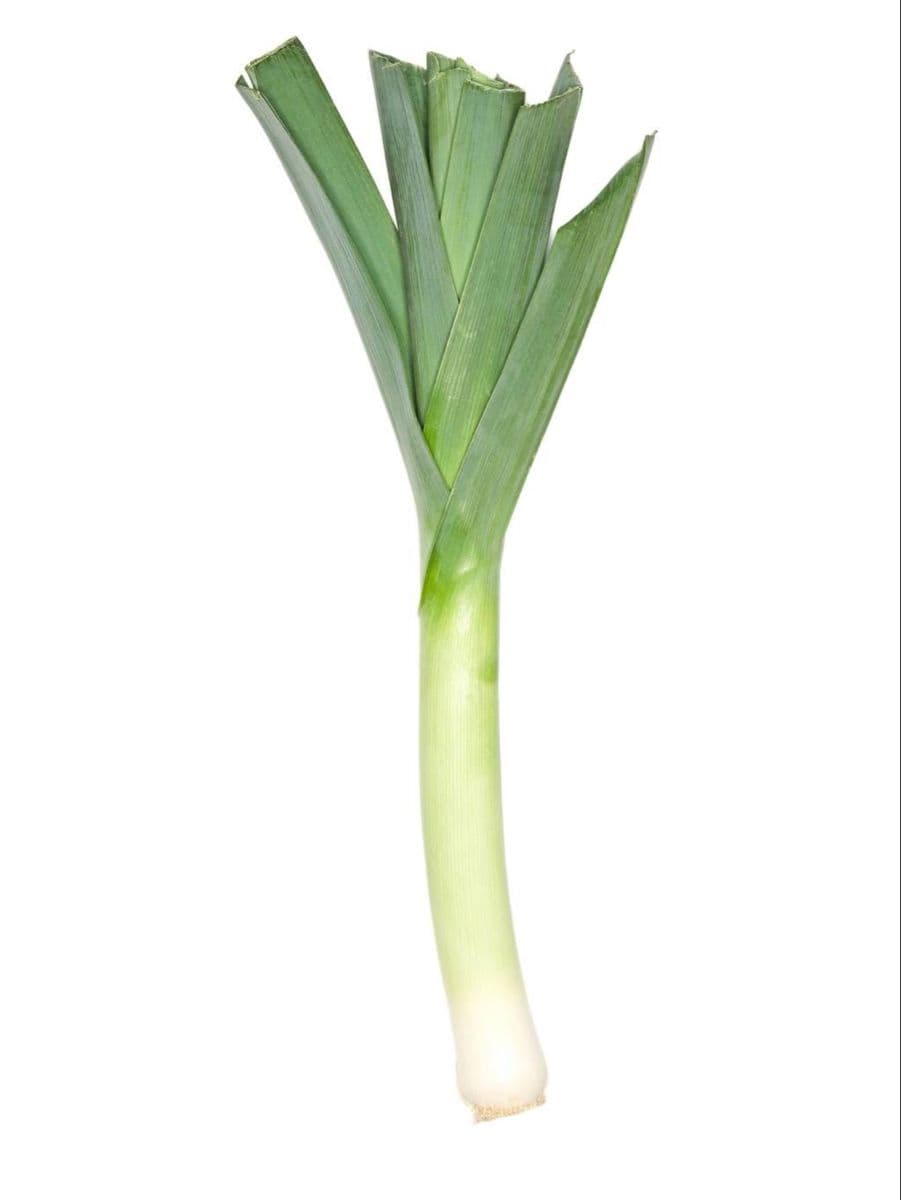
Leek

Leek

Repels Pests

Brassicas

Repels Pests

Beans

Fixes Nitrogen
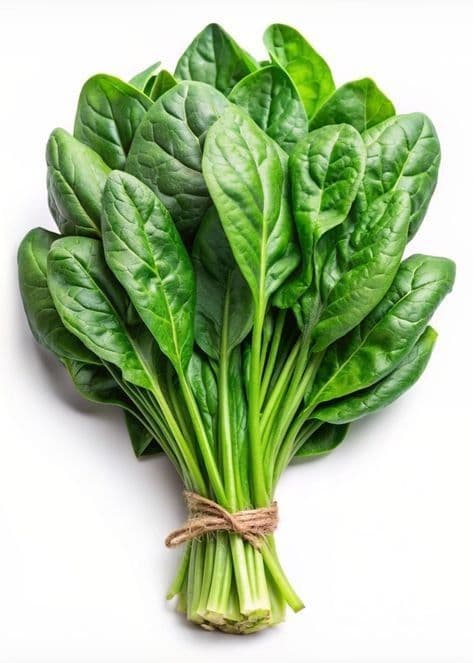
Spinach

Spinach

Suppresses Weeds

Climate Control

Today

C

Humidity

%

Water

Daily

Sunlight

6+ hours direct sun

Watch Out For

Celery fly (leaf miner) creates pale blistered tunnels in leaves from May

remove affected leaves immediately and cover young plants with fine mesh

Slugs devastate young transplants

protect with copper tape and grit and do not plant out until plants are at least 8cm tall

Bolting triggered by cold snaps below 10°C

do not transplant too early; wait until nights are reliably warm before moving plants outside

Pests & Problems

Full guide →

Celery Fly

Blistered, browned leaf mines

May–Sep

Slugs

Holes in young leaves

Apr–Sep

Aphids

Colonies on leaf undersides

Jun–Aug

What You'll Need

Equipment for growing celery

Some links are affiliate links — we may earn a small commission at no cost to you.

Grown Organically

Every method in this guide works with natural systems — no synthetic chemicals, no shortcuts.

Read our approach

Common Questions

About growing Celery in the UK

Is celery hard to grow in the UK?

Celery is one of the more demanding crops — it needs a long growing season, consistent moisture, rich soil, and steady temperatures. Self-blanching varieties are far easier than trench celery. Given the right conditions, it is very rewarding.

Why is my celery stringy and tough?

Stringy celery is usually caused by water stress (irregular watering or dry spells) or the plant maturing too slowly in cool conditions. Keep plants consistently moist and feed fortnightly with a balanced fertiliser. Harvest before stems become fully mature for the best texture.

How do I blanch celery?

Self-blanching varieties partially blanch themselves when grown close together (25–30cm spacing) in a block. For whiter, milder stems, wrap newspaper or cardboard loosely around the plant in the final 2–3 weeks before harvest.

When is celery ready to harvest?

Celery is ready from August to October, depending on the sowing date. Harvest when stems are thick, well-developed, and fragrant. Cut at the base with a knife. In mild areas, plants can be left in the ground and harvested as needed into early winter.

Member guides

There's more to growing Celery than this guide covers.

Seasonal reminders, deeper guides, and the small adjustments that change a harvest.

See what's included

UK Gardening Guide Newsletter

Get Monthly UK
Gardening Tips

Seasonal sowing reminders, what to plant now, and practical growing advice — delivered free every month.